
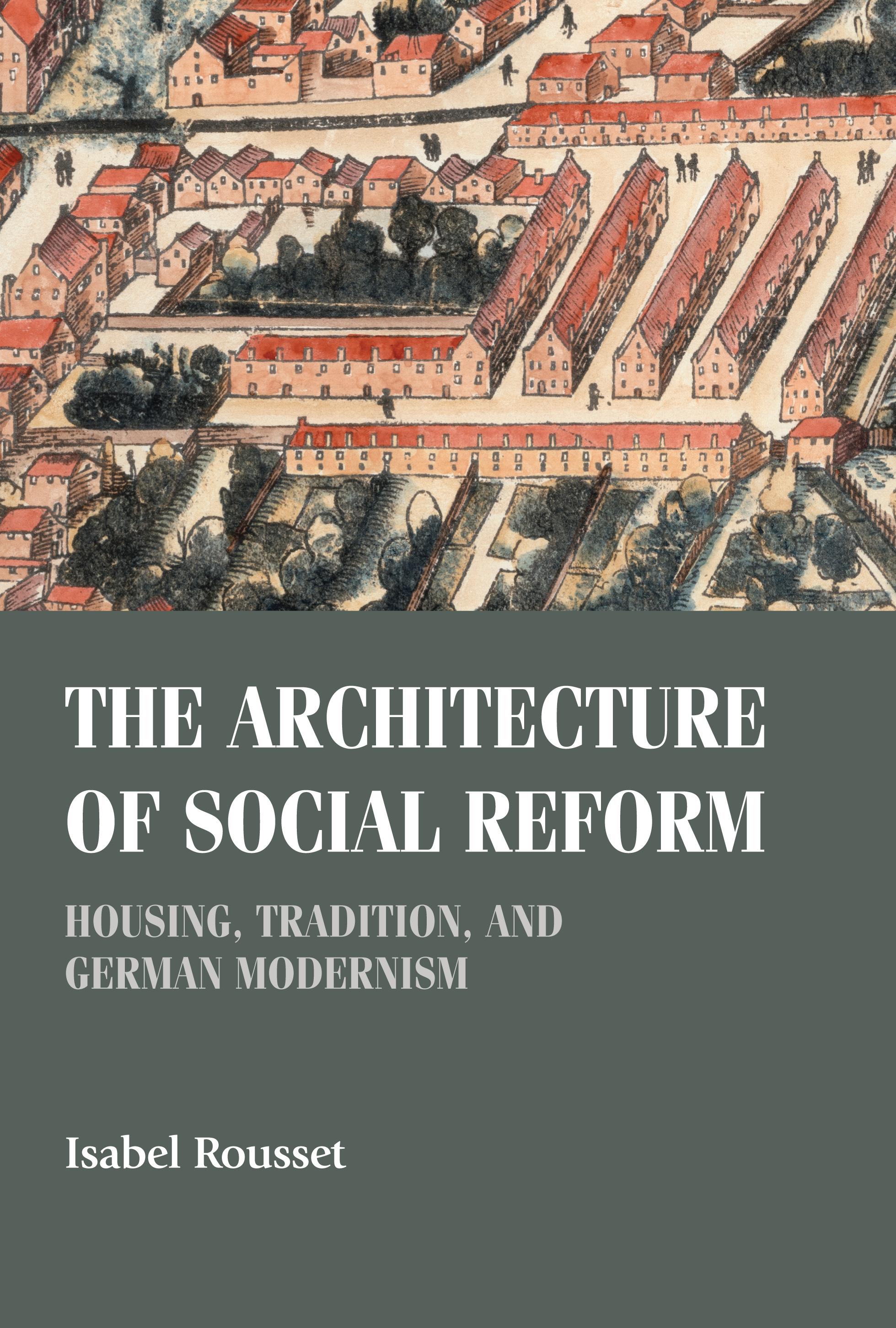
The architecture of social reform explores the fascinating intellectual origins of modern architecture’s obsession with domesticity. Copiously illustrated, Rousset’s revealing analysis demonstrates how questions over aesthetics, style, urbanization, and technology that gripped the modernist imagination were deeply ingrained in a larger concern to reform society through housing. The increasing demand for new housing in Germany’s rapidly growing cities fostered critical exchanges between a heterogeneous group of actors, including architects, urban theorists, planners, and social scientists, who called for society to be freed from class antagonism through the provision of good, modest, traditionally-minded domestic design. Offering a compelling account of architecture’s ability to act socially, the book provocatively argues that architectural theory underwent its most critical epistemological transformation in relation to the dynamics of modern class politics long before the arrival of the avant-garde.
Betal nemt med kort, Klarna, Apple Pay eller Google Pay. Ikke tilfreds? Du har altid 14 dages fortrydelsesret. Læs mere i vores vilkår. Har du spørgsmål, så send os en mail på hello@memmo.org.
Memmo gør det nemmere at studere – uanset hvor du er i verden. Hos os samler du dine kursusbøger og smarte studieværktøjer ét sted: resuméer, quizzer, podcasts og flashcards. Og så er der Ted, din studieven, der svarer på alt, du undrer dig over. Over 50 000 studerende studerer allerede her – bygget til at hjælpe dig med at lære hurtigere og stresse mindre.
Du kan måske også lide
Køb bogen0