
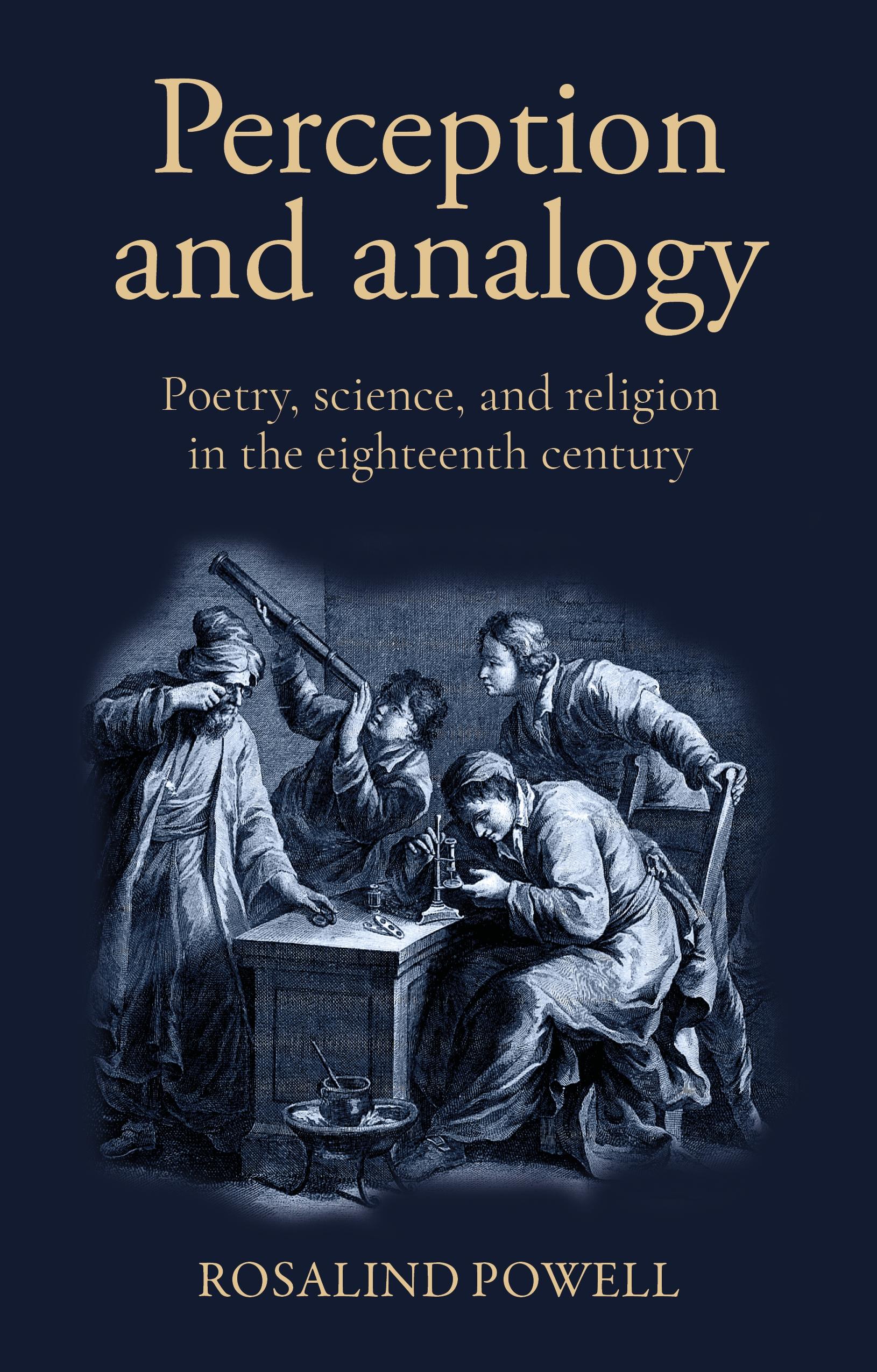
Perception and analogy explores ways of seeing scientifically in the eighteenth century. The book examines how sensory experience is conceptualised during the period, drawing novel connections between treatments of perception as an embodied phenomenon and the creative methods employed by natural philosophers. Covering a wealth of literary, theological, and pedagogical texts that engage with astronomy, optics, ophthalmology, and the body, it argues for the significance of analogies for conceptualising and explaining new scientific ideas. As well as identifying their use in religious and topographical poetry, the book addresses how analogies are visible in material culture through objects such as orreries, camera obscuras, and aeolian harps. It makes the vital claim that scientific concepts become intertwined with Christian discourse through reinterpretations of origins and signs, the scope of the created universe, and the limits of embodied knowledge.
Betal nemt med kort, Klarna, Apple Pay eller Google Pay. Ikke tilfreds? Du har altid 14 dages fortrydelsesret. Læs mere i vores vilkår. Har du spørgsmål, så send os en mail på hello@memmo.org.
Memmo gør det nemmere at studere – uanset hvor du er i verden. Hos os samler du dine kursusbøger og smarte studieværktøjer ét sted: resuméer, quizzer, podcasts og flashcards. Og så er der Ted, din studieven, der svarer på alt, du undrer dig over. Over 50 000 studerende studerer allerede her – bygget til at hjælpe dig med at lære hurtigere og stresse mindre.
Du kan måske også lide
Køb bogen0