
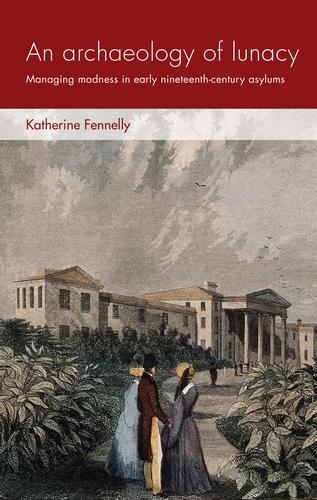
An archaeology of lunacy is a materially focused exploration of the first wave of public asylum building in Britain and Ireland, which took place during the late-Georgian and early Victorian period. Examining architecture and material culture, the book proposes that the familiar asylum archetype, usually attributed to the Victorians, was in fact developed much earlier. It looks at the planning and construction of the first public asylums and assesses the extent to which popular ideas about reformed management practices for the insane were applied at ground level. Crucially, it moves beyond doctors and reformers, repopulating the asylum with the myriad characters that made up its everyday existence: keepers, clerks and patients. Contributing to archaeological scholarship on institutions of confinement, the book is aimed at academics, students and general readers interested in the material environment of the historic lunatic asylum.
Betal nemt med kort, Klarna, Apple Pay eller Google Pay. Ikke tilfreds? Du har altid 14 dages fortrydelsesret. Læs mere i vores vilkår. Har du spørgsmål, så send os en mail på hello@memmo.org.
Memmo gør det nemmere at studere – uanset hvor du er i verden. Hos os samler du dine kursusbøger og smarte studieværktøjer ét sted: resuméer, quizzer, podcasts og flashcards. Og så er der Ted, din studieven, der svarer på alt, du undrer dig over. Over 50 000 studerende studerer allerede her – bygget til at hjælpe dig med at lære hurtigere og stresse mindre.
Du kan måske også lide
Køb bogen0