
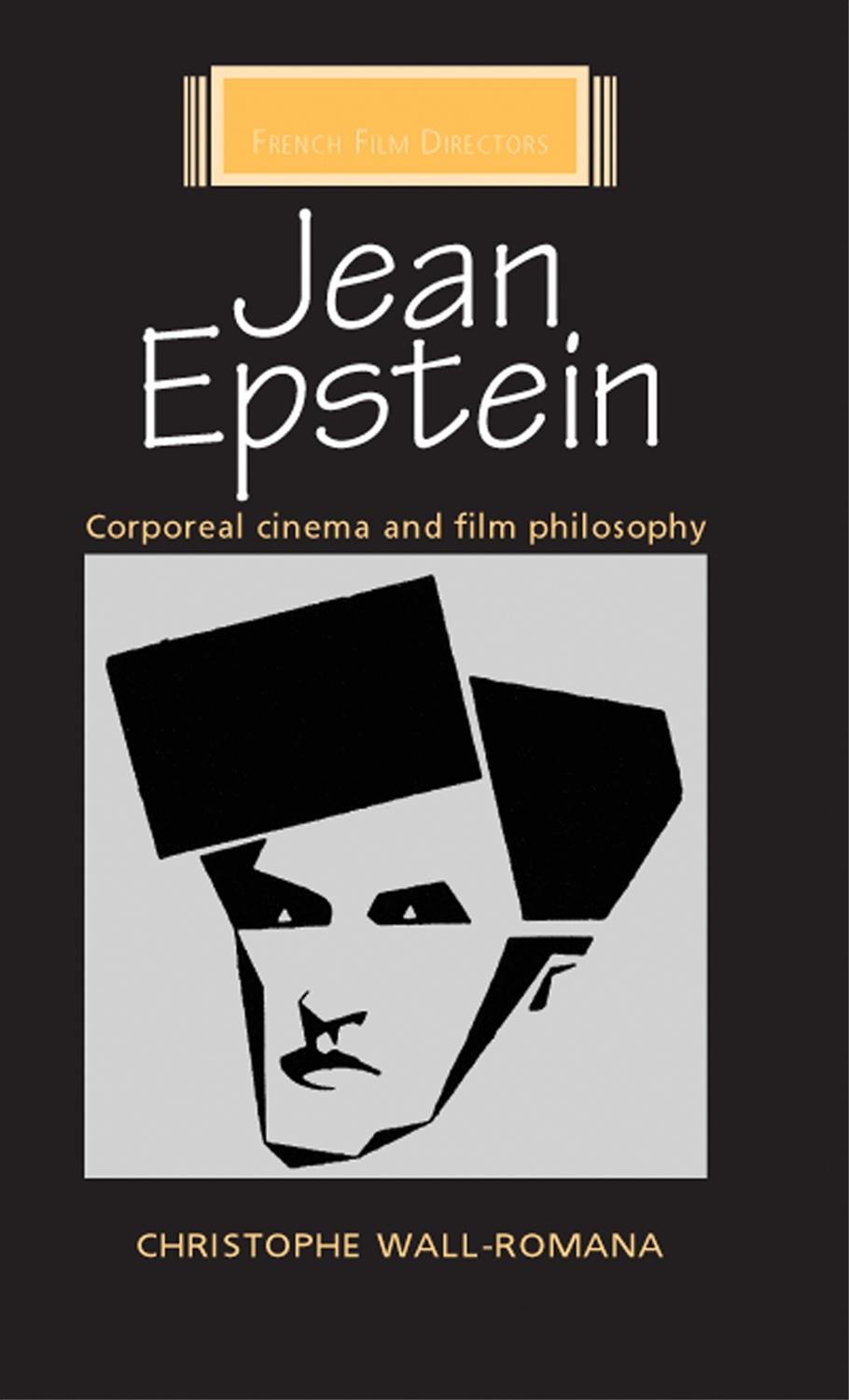
If cinema can be approached as poetry and philosophy, it is because of Jean Epstein. Cocteau, Buñuel (who was his assistant), Hitchcock, Pasolini and Godard, and theoreticians Kracauer, Deleuze and Rancière are directly influenced by Epstein’s pioneering film work, writings, and concepts. This book is the first in English to examine his oeuvre comprehensively.
An avant-garde artist and an anti-elitist intellectual, Epstein wanted to craft moments of pure transformative cinema. Using familiar genres – melodramas and documentaries – he hoped to heal viewers of all classes and hasten social utopia. A lover of cinema as cognitive and sensorial technology, and a poet of the screen, he pushed cinematography – as photogénie – towards the experimental sublime, through daring close-ups, rhythmic montage, slow motion, even reverse motion.
Polish-born, half-Jewish, and the author of a treatise on homosexuality, Epstein has been unfairly relegated to the shadows of film history. This book restores him to the limelight of interwar world cinema, on a par with Renoir, Lang, Capra and Eisenstein.
Betal nemt med kort, Klarna, Apple Pay eller Google Pay. Ikke tilfreds? Du har altid 14 dages fortrydelsesret. Læs mere i vores vilkår. Har du spørgsmål, så send os en mail på hello@memmo.org.
Memmo gør det nemmere at studere – uanset hvor du er i verden. Hos os samler du dine kursusbøger og smarte studieværktøjer ét sted: resuméer, quizzer, podcasts og flashcards. Og så er der Ted, din studieven, der svarer på alt, du undrer dig over. Over 50 000 studerende studerer allerede her – bygget til at hjælpe dig med at lære hurtigere og stresse mindre.