
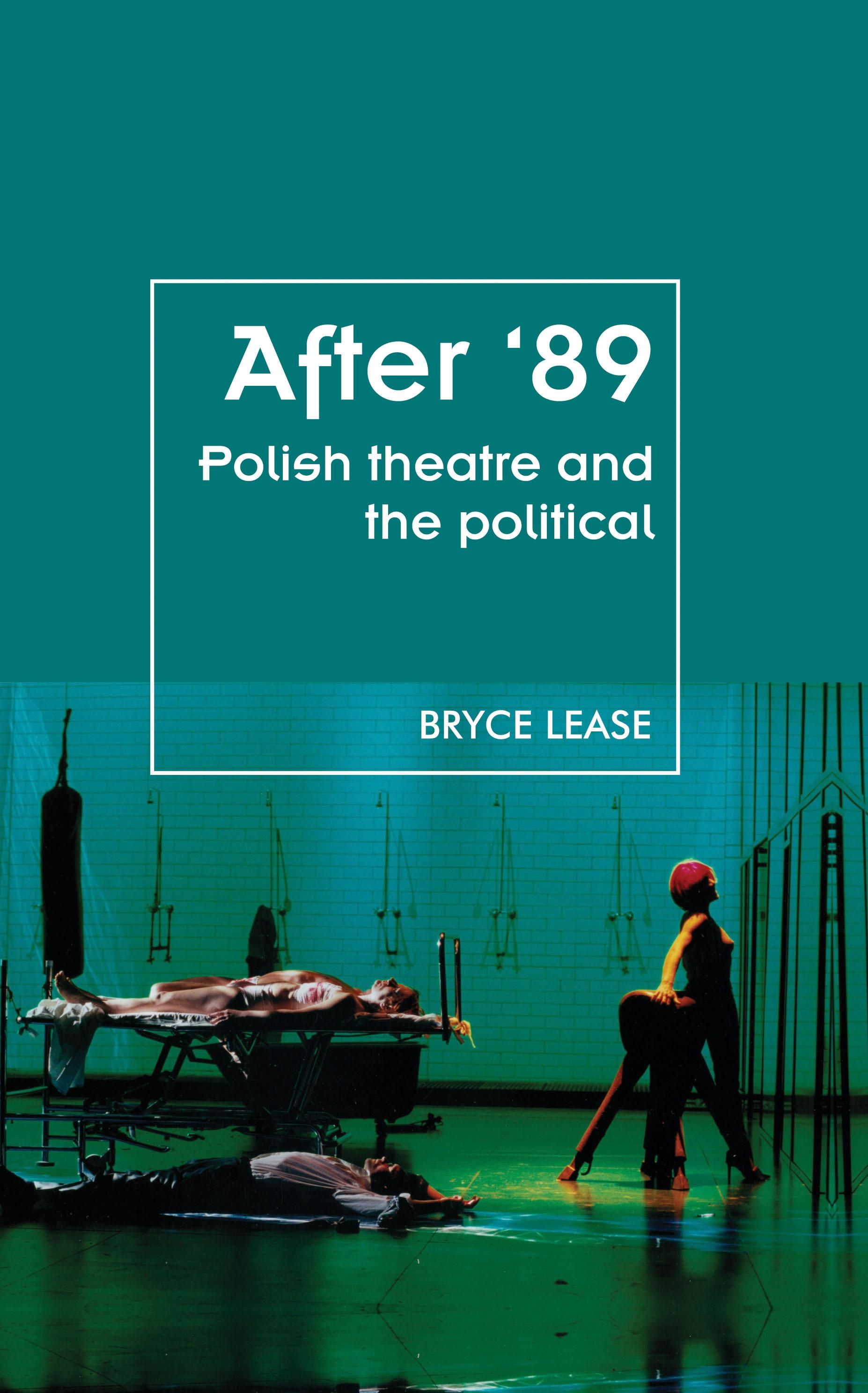
After '89 takes as its subject the dynamic new range of performance practices that have been developed since the demise of communism in the flourishing theatrical landscape of Poland. After 1989, the theatre has retained its historical role as the crucial space for debating and interrogating cultural and political identities. Providing access to scholarship and criticism not readily accessible to an English-speaking readership, this study surveys the rebirth of the theatre as a site of public intervention and social criticism since the establishment of democracy and the proliferation of theatre makers that have flaunted cultural commonplaces and begged new questions of Polish culture. Lease argues that the most significant change in performance practice after 1989 has been from opposition to the state to a more pluralistic practice that engages with marginalized identities purposefully left out of the rhetoric of freedom and independence.
Betal nemt med kort, Klarna, Apple Pay eller Google Pay. Ikke tilfreds? Du har altid 14 dages fortrydelsesret. Læs mere i vores vilkår. Har du spørgsmål, så send os en mail på hello@memmo.org.
Memmo gør det nemmere at studere – uanset hvor du er i verden. Hos os samler du dine kursusbøger og smarte studieværktøjer ét sted: resuméer, quizzer, podcasts og flashcards. Og så er der Ted, din studieven, der svarer på alt, du undrer dig over. Over 50 000 studerende studerer allerede her – bygget til at hjælpe dig med at lære hurtigere og stresse mindre.
Du kan måske også lide
Køb bogen0