
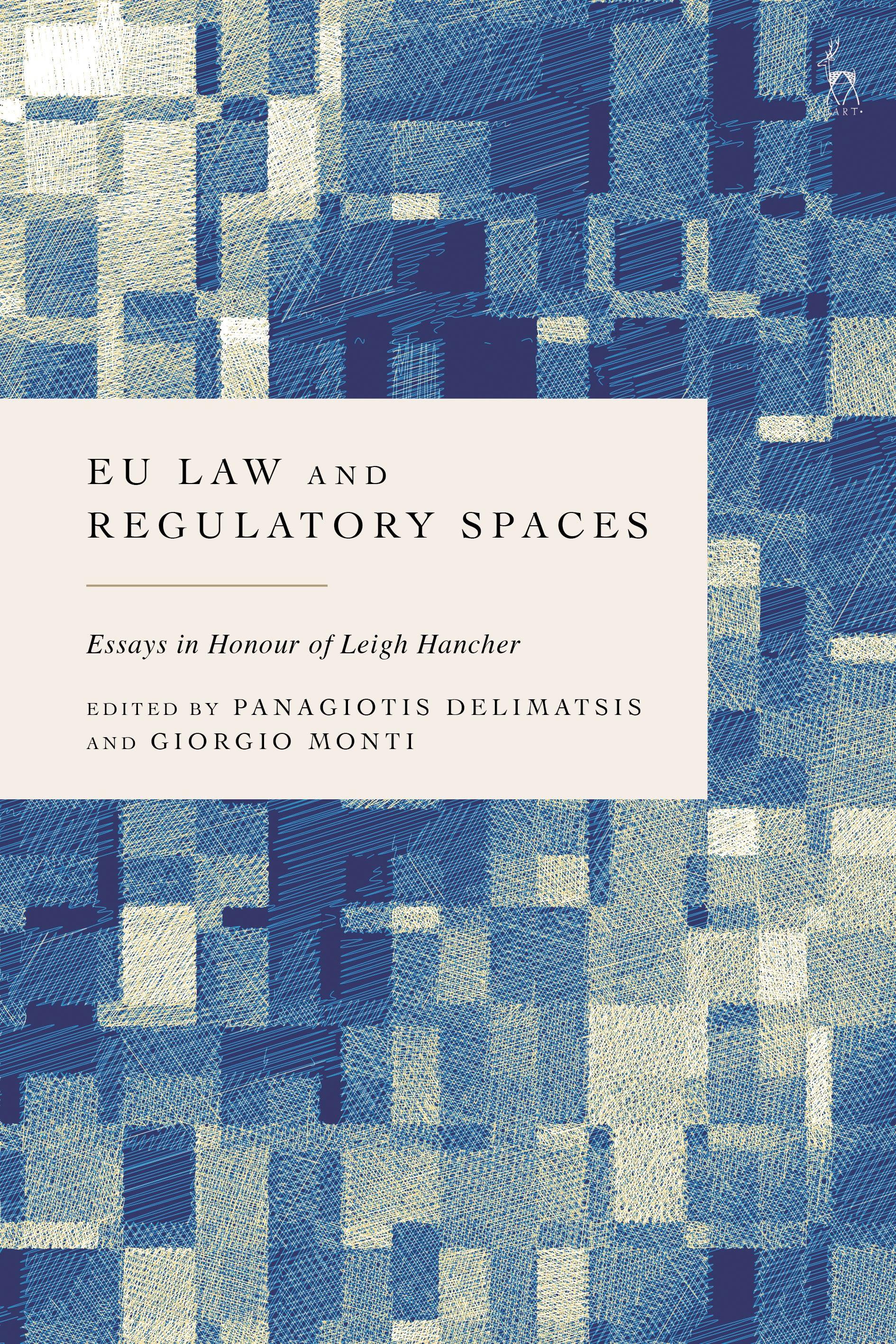
This book explores the evolution of EU economic law through an analysis of regulatory spaces in various fields of EU economic regulation.
Regulatory space, a concept used by Professor Leigh Hancher whose academic work this edited volume celebrates, is a metaphor that allows for a reconceptualisation of regulatory processes in EU economic law. It calls for a critical reflection of the limits of law in regulating economic activity but also identifies public rulemaking and enforcement as just two means of governance.
This carefully curated selection of original contributions by leading experts in EU law, policy, and practice identifies the multiple regulatory spaces in areas such as competition policy, energy regulation, and State aid whereby organisational relationships, contestation, and negotiation among different public and private economic actors shape the contemporary EU regulatory landscape.
Contributors analyse the challenges of regulatory design and the fundamentals of regulatory reform, the role of regulatory agencies, the evolving regulatory space in emerging sectors, interactions of public and private authority in various policy domains, including digital platforms and energy regulation, and the impact of recent legal and political developments on the EU regulatory landscape.
Combining theoretical insight with practical analysis, EU Law and Regulatory Spaces is an essential resource for academics, practitioners, and policymakers seeking to understand the future trajectory of regulation and governance within the EU.
Regulatory space, a concept used by Professor Leigh Hancher whose academic work this edited volume celebrates, is a metaphor that allows for a reconceptualisation of regulatory processes in EU economic law. It calls for a critical reflection of the limits of law in regulating economic activity but also identifies public rulemaking and enforcement as just two means of governance.
This carefully curated selection of original contributions by leading experts in EU law, policy, and practice identifies the multiple regulatory spaces in areas such as competition policy, energy regulation, and State aid whereby organisational relationships, contestation, and negotiation among different public and private economic actors shape the contemporary EU regulatory landscape.
Contributors analyse the challenges of regulatory design and the fundamentals of regulatory reform, the role of regulatory agencies, the evolving regulatory space in emerging sectors, interactions of public and private authority in various policy domains, including digital platforms and energy regulation, and the impact of recent legal and political developments on the EU regulatory landscape.
Combining theoretical insight with practical analysis, EU Law and Regulatory Spaces is an essential resource for academics, practitioners, and policymakers seeking to understand the future trajectory of regulation and governance within the EU.
Betal nemt med kort, Klarna, Apple Pay eller Google Pay. Ikke tilfreds? Du har altid 14 dages fortrydelsesret. Læs mere i vores vilkår. Har du spørgsmål, så send os en mail på hello@memmo.org.
Memmo gør det nemmere at studere – uanset hvor du er i verden. Hos os samler du dine kursusbøger og smarte studieværktøjer ét sted: resuméer, quizzer, podcasts og flashcards. Og så er der Ted, din studieven, der svarer på alt, du undrer dig over. Over 50 000 studerende studerer allerede her – bygget til at hjælpe dig med at lære hurtigere og stresse mindre.