
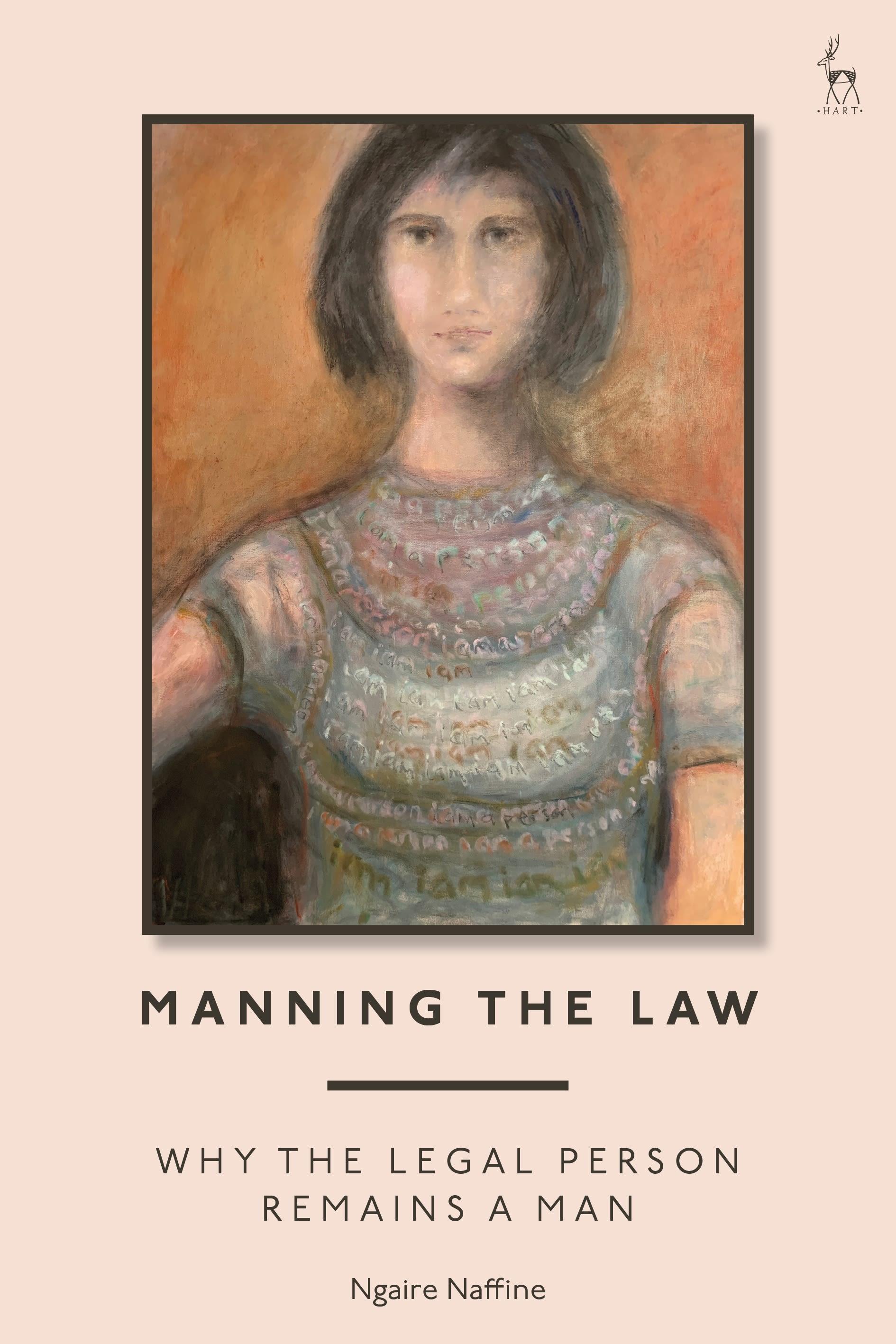
This is a study of elite English men of English law and the methods they used to retain and justify their power and privilege, through controlling the story of the legal person.
It looks at how these men of legal authority thought of themselves and their institution; how they studied and explained law; and how they put themselves in the middle of it, as the standard human in need of legal regulation and protection and in charge of that regulation and protection, and assigned to women an inferior legal role and being.
The main strategy used to do all this was manipulation of the concept of 'the legal person'. From the 1860s to the 1920s the courts declared that women were not 'persons' who could exercise public power – to vote, to sit in Parliament, to gain degrees, to be lawyers. Up to the end of the 20th century, and into the 21st, women's personhood remained precarious in the private sphere, for rape was excused within a marriage and female reproduction remained under state control (as it still does).
The book examines the active exclusion of women from the means of making legal meaning, especially the ability to shape law's central concept and shows the epistemological effects of this sex differential of legal power which are still felt today. Leading legal thinkers who helped to masculinise the concept of the person, to the detriment of women, are still revered. Law's continuing male orientation is neither seen nor acknowledged and the legal person is treated (falsely) as if he had always been and remains anyone.
Winner of the SLSA Socio-Legal Theory and History Book Prize 2026.
It looks at how these men of legal authority thought of themselves and their institution; how they studied and explained law; and how they put themselves in the middle of it, as the standard human in need of legal regulation and protection and in charge of that regulation and protection, and assigned to women an inferior legal role and being.
The main strategy used to do all this was manipulation of the concept of 'the legal person'. From the 1860s to the 1920s the courts declared that women were not 'persons' who could exercise public power – to vote, to sit in Parliament, to gain degrees, to be lawyers. Up to the end of the 20th century, and into the 21st, women's personhood remained precarious in the private sphere, for rape was excused within a marriage and female reproduction remained under state control (as it still does).
The book examines the active exclusion of women from the means of making legal meaning, especially the ability to shape law's central concept and shows the epistemological effects of this sex differential of legal power which are still felt today. Leading legal thinkers who helped to masculinise the concept of the person, to the detriment of women, are still revered. Law's continuing male orientation is neither seen nor acknowledged and the legal person is treated (falsely) as if he had always been and remains anyone.
Winner of the SLSA Socio-Legal Theory and History Book Prize 2026.
Betal nemt med kort, Klarna, Apple Pay eller Google Pay. Ikke tilfreds? Du har altid 14 dages fortrydelsesret. Læs mere i vores vilkår. Har du spørgsmål, så send os en mail på hello@memmo.org.
Memmo gør det nemmere at studere – uanset hvor du er i verden. Hos os samler du dine kursusbøger og smarte studieværktøjer ét sted: resuméer, quizzer, podcasts og flashcards. Og så er der Ted, din studieven, der svarer på alt, du undrer dig over. Over 50 000 studerende studerer allerede her – bygget til at hjælpe dig med at lære hurtigere og stresse mindre.