
Winner of the 2026 SLS Peter Birks Prize for Outstanding Legal Scholarship
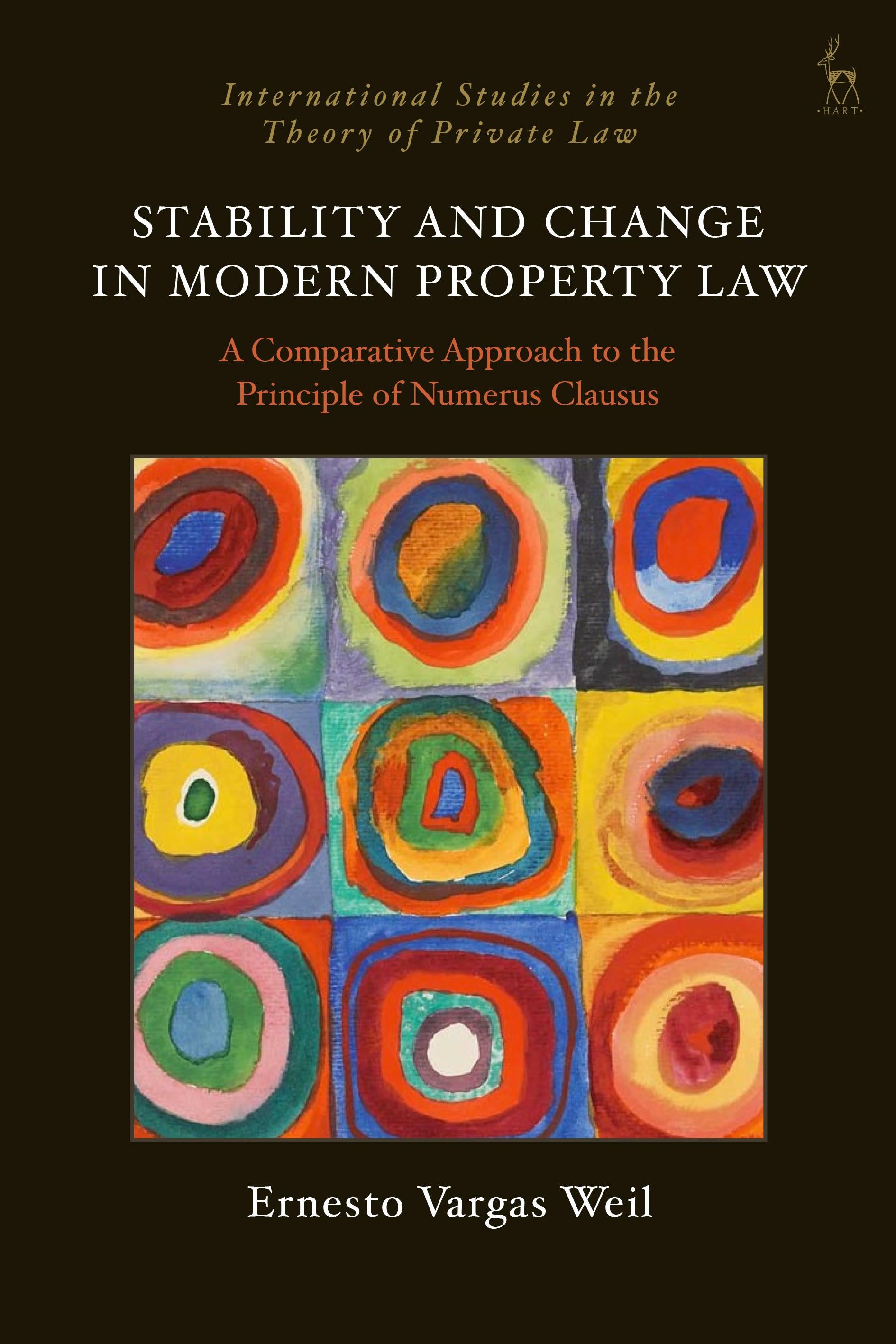
This book examines the English and German version of the numerus clausus principle which holds that there is a closed list of permitted property rights.
It challenges recent views that the principle renders property law inflexible and unable to accommodate social and economic changes. Relying on a novel approach combining property theory and comparative research of English and German law, it argues that the restrictions the principle imposes on the creation of new property types actually does accommodate social changes through a process of 'functional transformation' of the existing property rights.
This is a fascinating, unique study, that makes a rigorous, original contribution to property law theory.
This book examines the English and German version of the numerus clausus principle which holds that there is a closed list of permitted property rights.
It challenges recent views that the principle renders property law inflexible and unable to accommodate social and economic changes. Relying on a novel approach combining property theory and comparative research of English and German law, it argues that the restrictions the principle imposes on the creation of new property types actually does accommodate social changes through a process of 'functional transformation' of the existing property rights.
This is a fascinating, unique study, that makes a rigorous, original contribution to property law theory.
Betal nemt med kort, Klarna, Apple Pay eller Google Pay. Ikke tilfreds? Du har altid 14 dages fortrydelsesret. Læs mere i vores vilkår. Har du spørgsmål, så send os en mail på hello@memmo.org.
Memmo gør det nemmere at studere – uanset hvor du er i verden. Hos os samler du dine kursusbøger og smarte studieværktøjer ét sted: resuméer, quizzer, podcasts og flashcards. Og så er der Ted, din studieven, der svarer på alt, du undrer dig over. Over 50 000 studerende studerer allerede her – bygget til at hjælpe dig med at lære hurtigere og stresse mindre.