
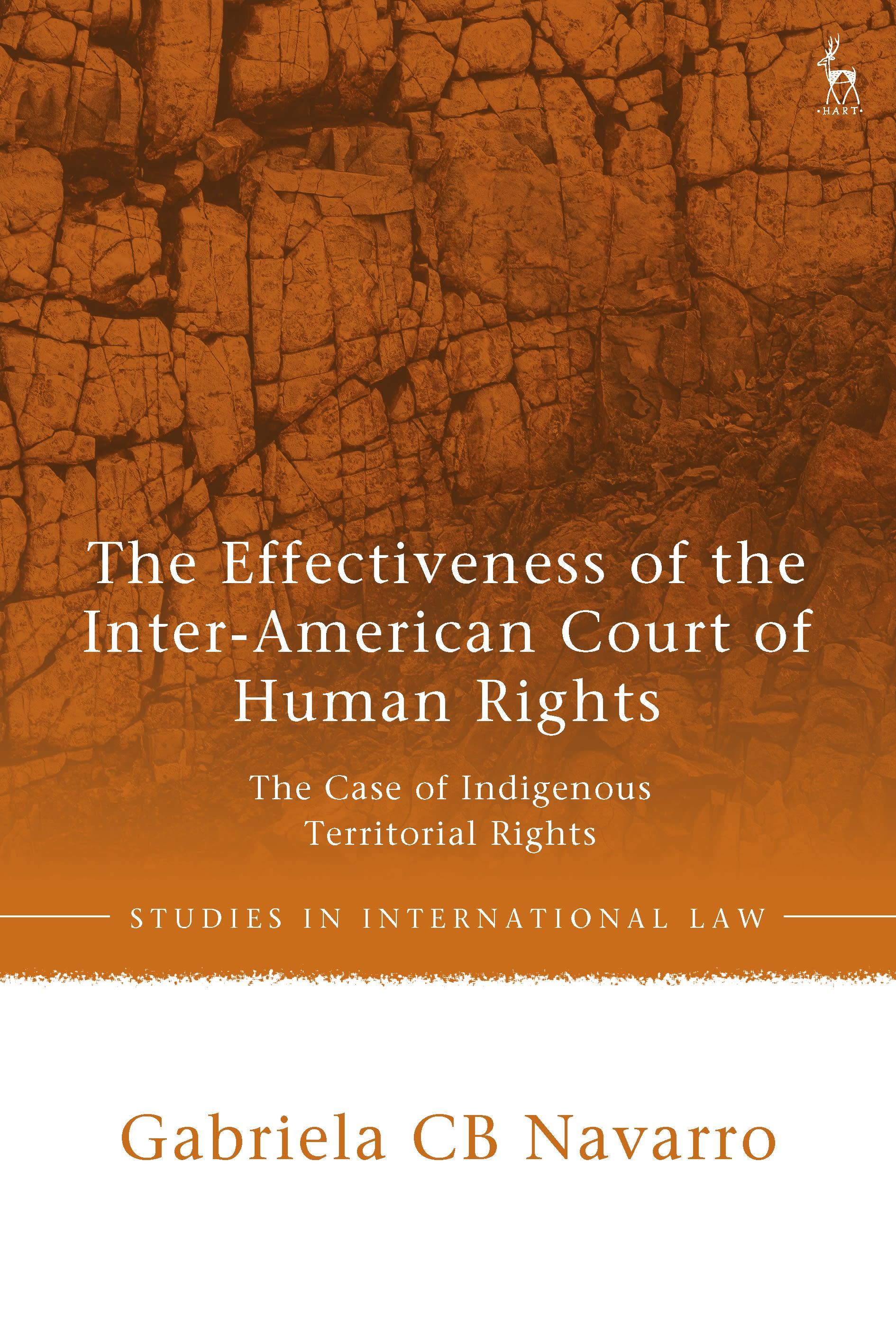
The Inter-American Court of Human Rights has the most developed jurisprudence on indigenous rights, yet this case law is understudied. This book addresses this gap by exploring the Court and its cases from both the perspective of international law and the legal protection of indigenous territories.
Setting out the network of actors and institutions involved in such litigation, it examines the motivations and constraints in domestic politics affecting international orders (and by extension the impact of the Court). It provides both an important statement on the effectiveness of international tribunals and a fascinating insight into the evolution of indigenous rights.
Setting out the network of actors and institutions involved in such litigation, it examines the motivations and constraints in domestic politics affecting international orders (and by extension the impact of the Court). It provides both an important statement on the effectiveness of international tribunals and a fascinating insight into the evolution of indigenous rights.
Betal nemt med kort, Klarna, Apple Pay eller Google Pay. Ikke tilfreds? Du har altid 14 dages fortrydelsesret. Læs mere i vores vilkår. Har du spørgsmål, så send os en mail på hello@memmo.org.
Memmo gør det nemmere at studere – uanset hvor du er i verden. Hos os samler du dine kursusbøger og smarte studieværktøjer ét sted: resuméer, quizzer, podcasts og flashcards. Og så er der Ted, din studieven, der svarer på alt, du undrer dig over. Over 50 000 studerende studerer allerede her – bygget til at hjælpe dig med at lære hurtigere og stresse mindre.