
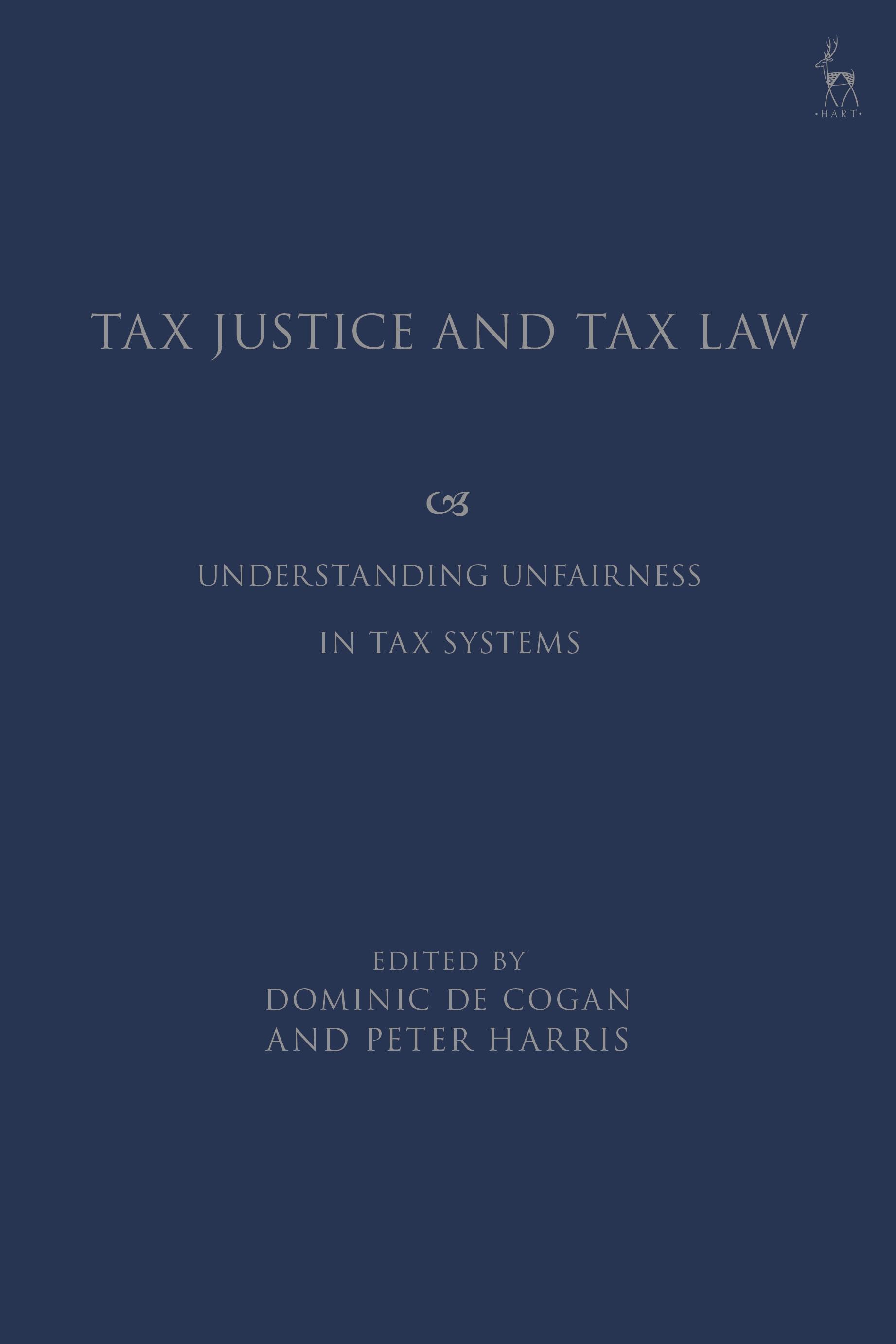
Most people would agree that tax systems ought to be 'just', and perhaps a great deal more just than they are at present. What is more difficult is to agree on what tax justice is.
This book considers a range of different approaches to, and ideas about the nature of tax justice and covers areas such as:
- imbalances in international tax arrangements that deprive developing countries of revenues from natural resources and allow wealthy taxpayers to use tax havens;
- protests against governments and large business;
- attempts to influence policy through more technical means such as the OECD's Base Erosion and Profits Shifting project;
- interpersonal matters, such as the ways in which tax systems disadvantage women and minorities;
- the application of wider philosophical or economic theories to tax systems.
The purpose of the book is not to iron out these underlying differences into a grand theory, but rather to gain a more precise understanding of how and why we disagree about tax justice. In doing so the editors are assisted by a stellar cast of contributors from four continents, with a wide variety of views and experiences but a common interest in this central question of how to agree and disagree about tax justice. This is, of course, not only an intellectual exercise but also a necessary precursor to achieving real-world change.
This book considers a range of different approaches to, and ideas about the nature of tax justice and covers areas such as:
- imbalances in international tax arrangements that deprive developing countries of revenues from natural resources and allow wealthy taxpayers to use tax havens;
- protests against governments and large business;
- attempts to influence policy through more technical means such as the OECD's Base Erosion and Profits Shifting project;
- interpersonal matters, such as the ways in which tax systems disadvantage women and minorities;
- the application of wider philosophical or economic theories to tax systems.
The purpose of the book is not to iron out these underlying differences into a grand theory, but rather to gain a more precise understanding of how and why we disagree about tax justice. In doing so the editors are assisted by a stellar cast of contributors from four continents, with a wide variety of views and experiences but a common interest in this central question of how to agree and disagree about tax justice. This is, of course, not only an intellectual exercise but also a necessary precursor to achieving real-world change.
Betal nemt med kort, Klarna, Apple Pay eller Google Pay. Ikke tilfreds? Du har altid 14 dages fortrydelsesret. Læs mere i vores vilkår. Har du spørgsmål, så send os en mail på hello@memmo.org.
Memmo gør det nemmere at studere – uanset hvor du er i verden. Hos os samler du dine kursusbøger og smarte studieværktøjer ét sted: resuméer, quizzer, podcasts og flashcards. Og så er der Ted, din studieven, der svarer på alt, du undrer dig over. Over 50 000 studerende studerer allerede her – bygget til at hjælpe dig med at lære hurtigere og stresse mindre.