
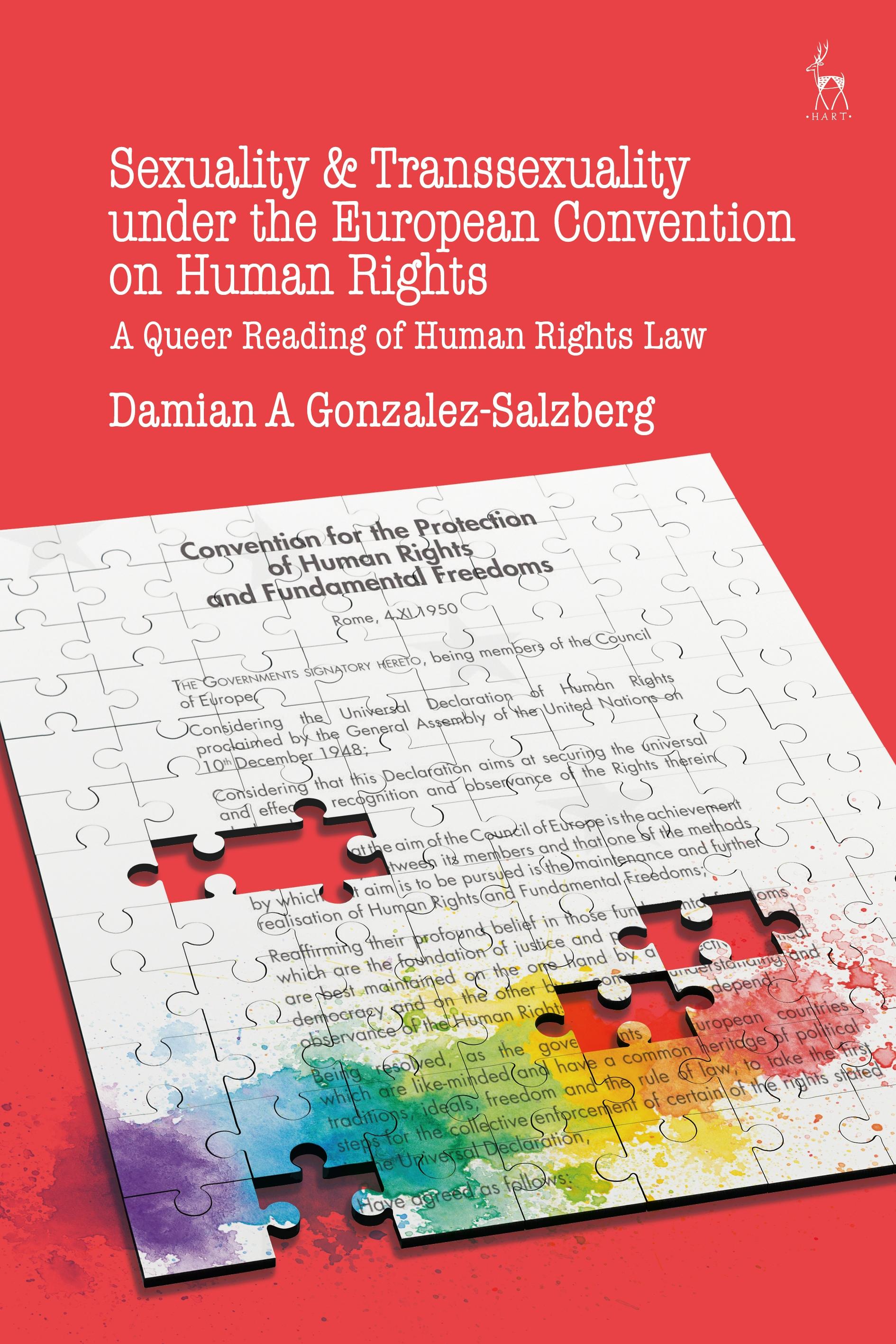
This book undertakes a critical analysis of international human rights law through the lens of queer theory. It pursues two main aims: first, to make use of queer theory to illustrate that the field of human rights law is underpinned by several assumptions that determine a conception of the subject that is gendered and sexual in specific ways. This gives rise to multiple legal and social consequences, some of which challenge the very idea of universality of human rights. Second, the book proposes that human rights law can actually benefit from a better understanding of queer critiques, since queer insights can help it to overcome heteronormative beliefs currently held. In order to achieve these main aims, the book focuses on the case law of the European Court of Human Rights, the leading legal authority in the field of international human rights law. The use of queer theory as the theoretical approach for these tasks serves to deconstruct several aspects of the Court's jurisprudence dealing with gender, sexuality, and kinship, to later suggest potential paths to reconstruct such features in a queer(er) and more universal manner.
Betal nemt med kort, Klarna, Apple Pay eller Google Pay. Ikke tilfreds? Du har altid 14 dages fortrydelsesret. Læs mere i vores vilkår. Har du spørgsmål, så send os en mail på hello@memmo.org.
Memmo gør det nemmere at studere – uanset hvor du er i verden. Hos os samler du dine kursusbøger og smarte studieværktøjer ét sted: resuméer, quizzer, podcasts og flashcards. Og så er der Ted, din studieven, der svarer på alt, du undrer dig over. Over 50 000 studerende studerer allerede her – bygget til at hjælpe dig med at lære hurtigere og stresse mindre.