
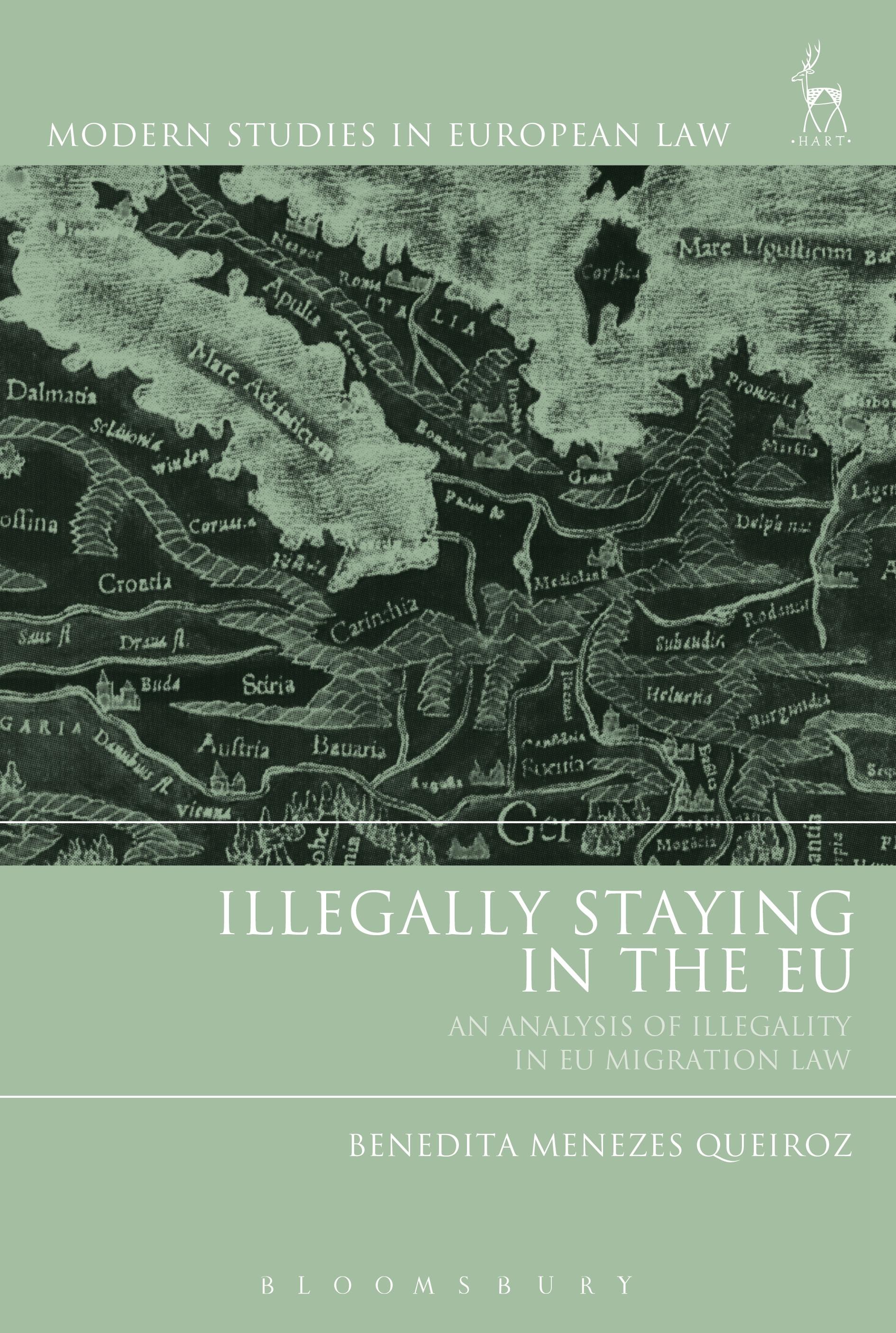
Principally, this book comprises a conceptual analysis of the illegality of a third-country national's stay by examining the boundaries of the overarching concept of illegality at the EU level. Having found that the holistic conceptualisation of illegality, constructed through a combination of sources (both EU and national law) falls short of adequacy, the book moves on to consider situations that fall outside the traditional binary of legal and illegal under EU law. The cases of unlawfully staying EU citizens and of non-removable illegally staying third-country nationals are examples of groups of migrants who are categorised as atypical. By looking at these two examples the book reveals not only the fragmentation of legal statuses in EU migration law but also the more general ill-fitting and unsatisfactory categorisation of migrants.
The potential conflation of illegality with criminality as a result of the way EU databases regulate the legal regime of illegality of a migrant's stay is the first trend identified by the book. Subsequently, the book considers the functions of accessing legality (both instrumental and corrective). In doing so it draws out another trend evident in the EU illegality regime: a two-tier regime which discriminates on the basis of wealth and the instrumentalisation of access to legality by Member States for mostly their own purposes.
Finally, the book proposes a corrective rationale for the regulation of illegality through access to legality and provides a number of normative suggestions as a way of remedying current deficiencies that arise out of the present supranational framing of illegality.
The potential conflation of illegality with criminality as a result of the way EU databases regulate the legal regime of illegality of a migrant's stay is the first trend identified by the book. Subsequently, the book considers the functions of accessing legality (both instrumental and corrective). In doing so it draws out another trend evident in the EU illegality regime: a two-tier regime which discriminates on the basis of wealth and the instrumentalisation of access to legality by Member States for mostly their own purposes.
Finally, the book proposes a corrective rationale for the regulation of illegality through access to legality and provides a number of normative suggestions as a way of remedying current deficiencies that arise out of the present supranational framing of illegality.
Betal nemt med kort, Klarna, Apple Pay eller Google Pay. Ikke tilfreds? Du har altid 14 dages fortrydelsesret. Læs mere i vores vilkår. Har du spørgsmål, så send os en mail på hello@memmo.org.
Memmo gør det nemmere at studere – uanset hvor du er i verden. Hos os samler du dine kursusbøger og smarte studieværktøjer ét sted: resuméer, quizzer, podcasts og flashcards. Og så er der Ted, din studieven, der svarer på alt, du undrer dig over. Over 50 000 studerende studerer allerede her – bygget til at hjælpe dig med at lære hurtigere og stresse mindre.