
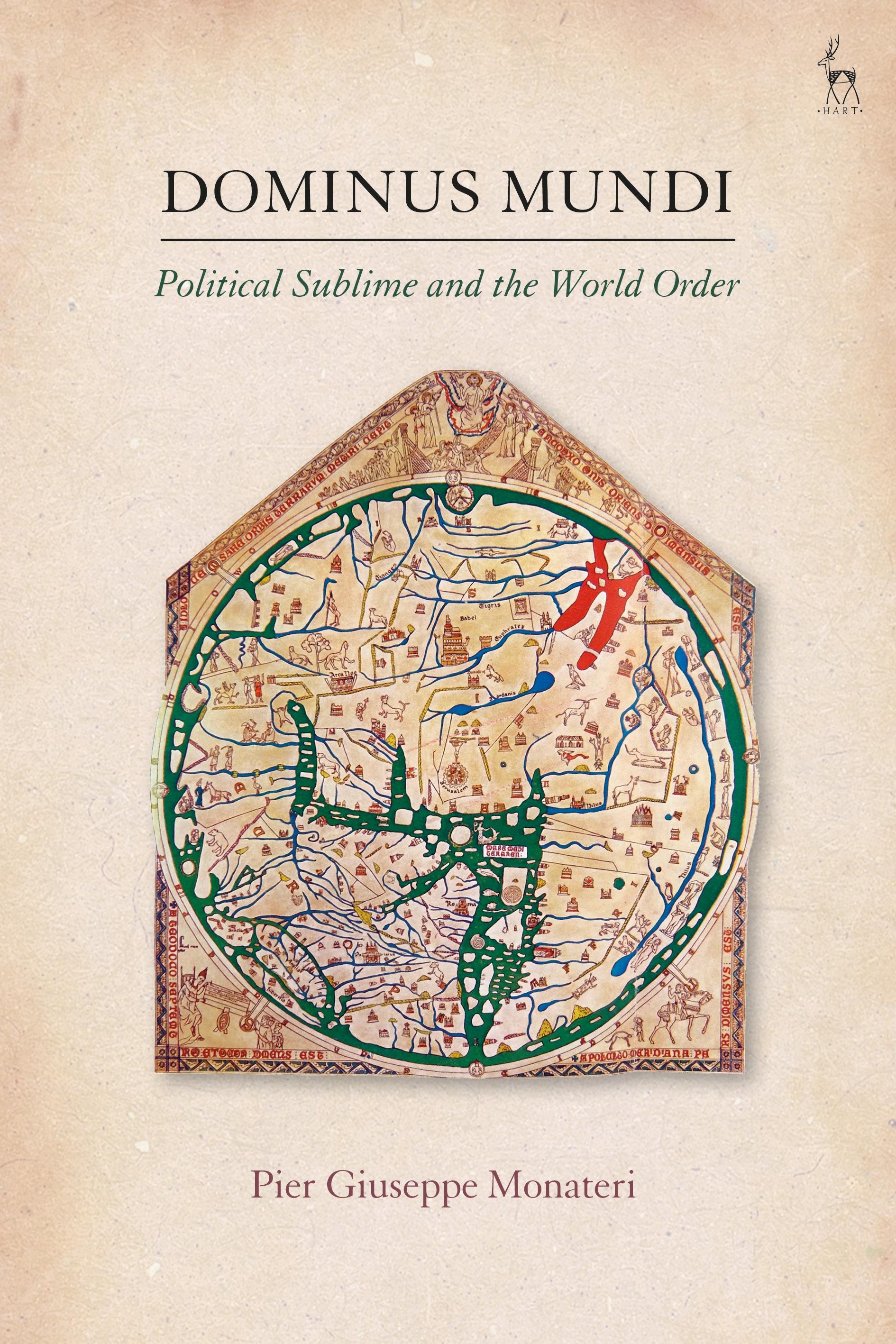
This monograph makes a seminal contribution to existing literature on the importance of Roman law in the development of political thought in Europe. In particular it examines the expression 'dominus mundi', following it through the texts of the medieval jurists – the Glossators and Post-Glossators – up to the political thought of Hobbes. Understanding the concept of dominus mundi sheds light on how medieval jurists understood ownership of individual things; it is more complex than it might seem; and this book investigates these complexities. The book also offers important new insights into Thomas Hobbes, especially with regard to the end of dominus mundi and the replacement by Leviathan. Finally, the book has important relevance for contemporary political theory. With fading of political diversity Monateri argues “that the actual setting of globalisation represents the reappearance of the Ghost of the Dominus Mundi, a political refoulé – repressed – a reappearance of its sublime nature, and a struggle to restore its universal legitimacy, and take its place.” In making this argument, the book adds an important original vision to current debates in legal and political philosophy.
Betal nemt med kort, Klarna, Apple Pay eller Google Pay. Ikke tilfreds? Du har altid 14 dages fortrydelsesret. Læs mere i vores vilkår. Har du spørgsmål, så send os en mail på hello@memmo.org.
Memmo gør det nemmere at studere – uanset hvor du er i verden. Hos os samler du dine kursusbøger og smarte studieværktøjer ét sted: resuméer, quizzer, podcasts og flashcards. Og så er der Ted, din studieven, der svarer på alt, du undrer dig over. Over 50 000 studerende studerer allerede her – bygget til at hjælpe dig med at lære hurtigere og stresse mindre.