
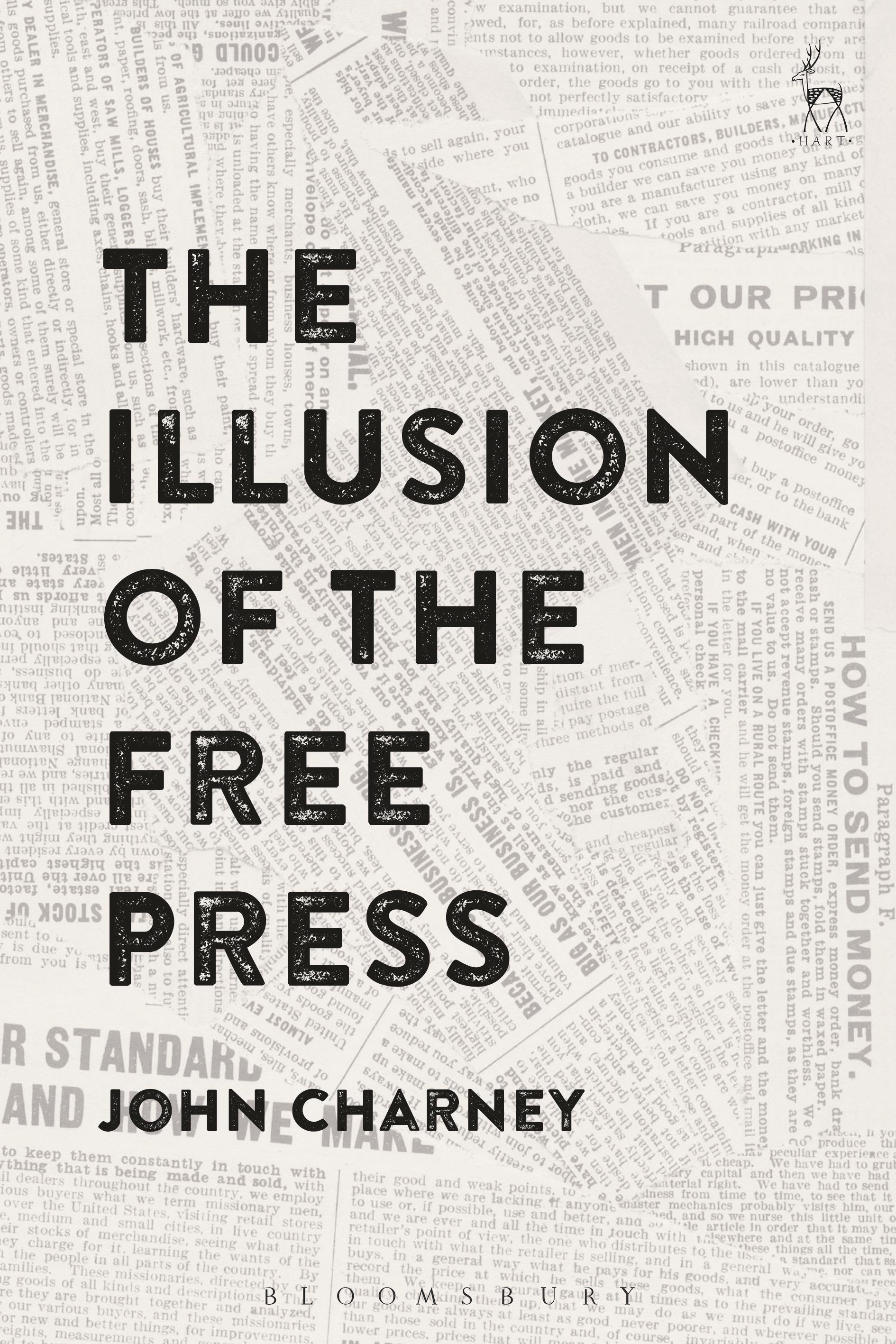
This book explores the relationship between truth and freedom in the free press. It argues that the relationship is problematic because the free press implies a competition between plural ideas, whereas truth is univocal. Based on this tension the book claims that the idea of a free press is premised on an epistemological illusion. This illusion enables society to maintain that the world it perceives through the press corresponds to the world as it actually exists, explaining why defenders of the free press continue to rely on its capacity to discover the truth, despite economic conditions and technological innovations undermining much of its independence. The book invites the reader to reconsider the philosophical foundations, constitutional justifications, and structure and functions of the free press, and whether the institution can, in fact, realise both freedom and truth. It will be of great interest to anyone concerned in the role and value of the free press in the modern world.
Betal nemt med kort, Klarna, Apple Pay eller Google Pay. Ikke tilfreds? Du har altid 14 dages fortrydelsesret. Læs mere i vores vilkår. Har du spørgsmål, så send os en mail på hello@memmo.org.
Memmo gør det nemmere at studere – uanset hvor du er i verden. Hos os samler du dine kursusbøger og smarte studieværktøjer ét sted: resuméer, quizzer, podcasts og flashcards. Og så er der Ted, din studieven, der svarer på alt, du undrer dig over. Over 50 000 studerende studerer allerede her – bygget til at hjælpe dig med at lære hurtigere og stresse mindre.