
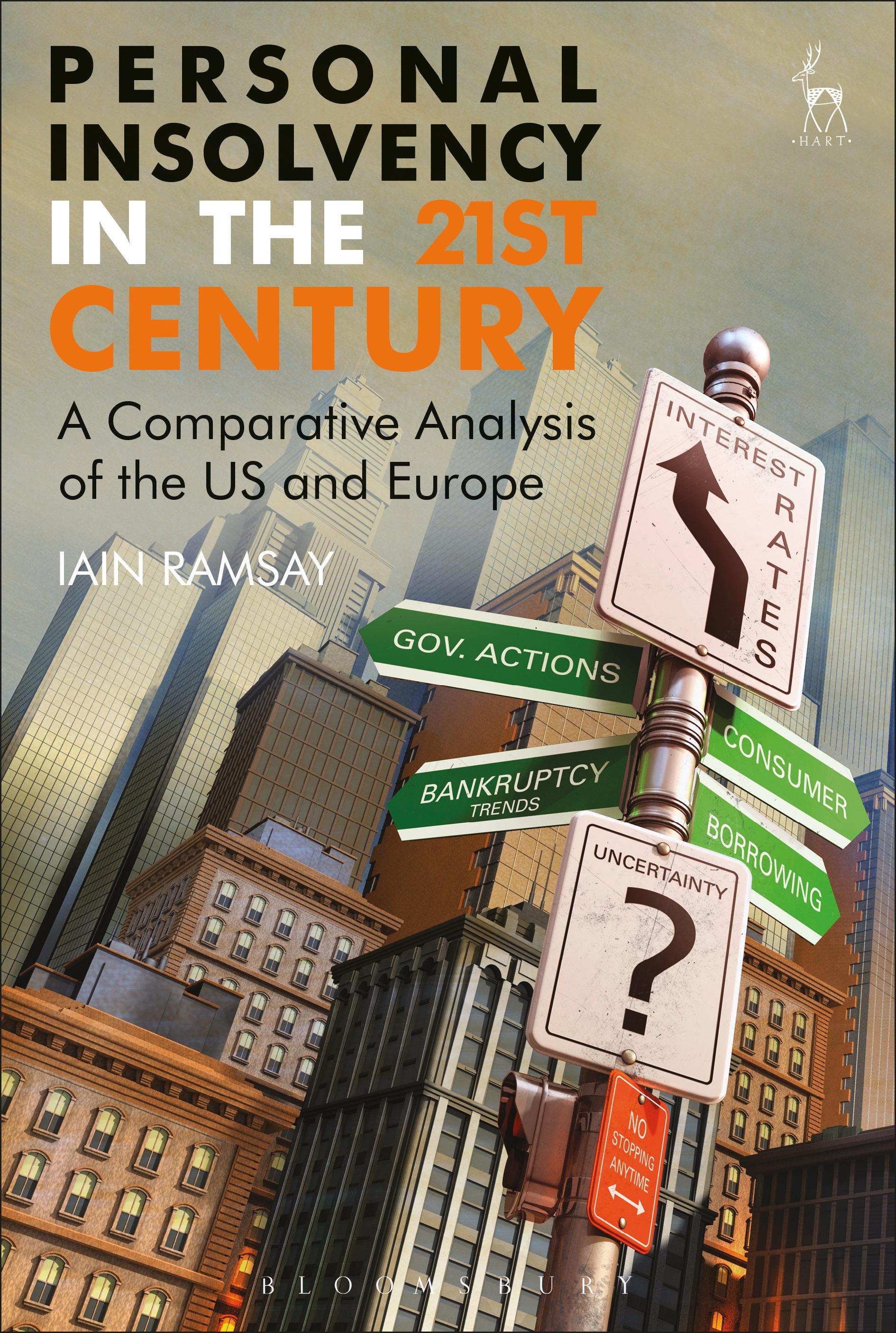
Since 1979 the world has witnessed a remarkable cycle of personal insolvency law reform. Changes in capitalist economies, financial crises and political interest groups all contributed to this cycle of reform. This book examines the role of interest groups and distinct narratives in shaping reform in different countries while drawing attention to the role of timing, path dependency and unintended consequences in the development of personal insolvency law.
The book presents case studies of personal insolvency law in the US, France, Sweden, and England and Wales. It then analyses how, following the Great Recession of 2008, international financial institutions paid greater attention to the significance of household debt in contributing to financial instability and the role of individual insolvency law in providing a fresh start. Personal insolvency law reform became part of EU responses to the eurozone crisis and the EU has proposed harmonisation of individual insolvency law to promote entrepreneurialism. This book examines the extent to which these developments represent an emerging international commonsense about personal insolvency and its relationship to neo-liberalism. Finally, this book discusses whether the international emergence of individual personal insolvency law represents a progressive step or a band-aid for the costs of neo-liberal policies, where a significant number of people live close to the precipice of over-indebtedness.
The book presents case studies of personal insolvency law in the US, France, Sweden, and England and Wales. It then analyses how, following the Great Recession of 2008, international financial institutions paid greater attention to the significance of household debt in contributing to financial instability and the role of individual insolvency law in providing a fresh start. Personal insolvency law reform became part of EU responses to the eurozone crisis and the EU has proposed harmonisation of individual insolvency law to promote entrepreneurialism. This book examines the extent to which these developments represent an emerging international commonsense about personal insolvency and its relationship to neo-liberalism. Finally, this book discusses whether the international emergence of individual personal insolvency law represents a progressive step or a band-aid for the costs of neo-liberal policies, where a significant number of people live close to the precipice of over-indebtedness.
Betal nemt med kort, Klarna, Apple Pay eller Google Pay. Ikke tilfreds? Du har altid 14 dages fortrydelsesret. Læs mere i vores vilkår. Har du spørgsmål, så send os en mail på hello@memmo.org.
Memmo gør det nemmere at studere – uanset hvor du er i verden. Hos os samler du dine kursusbøger og smarte studieværktøjer ét sted: resuméer, quizzer, podcasts og flashcards. Og så er der Ted, din studieven, der svarer på alt, du undrer dig over. Over 50 000 studerende studerer allerede her – bygget til at hjælpe dig med at lære hurtigere og stresse mindre.