
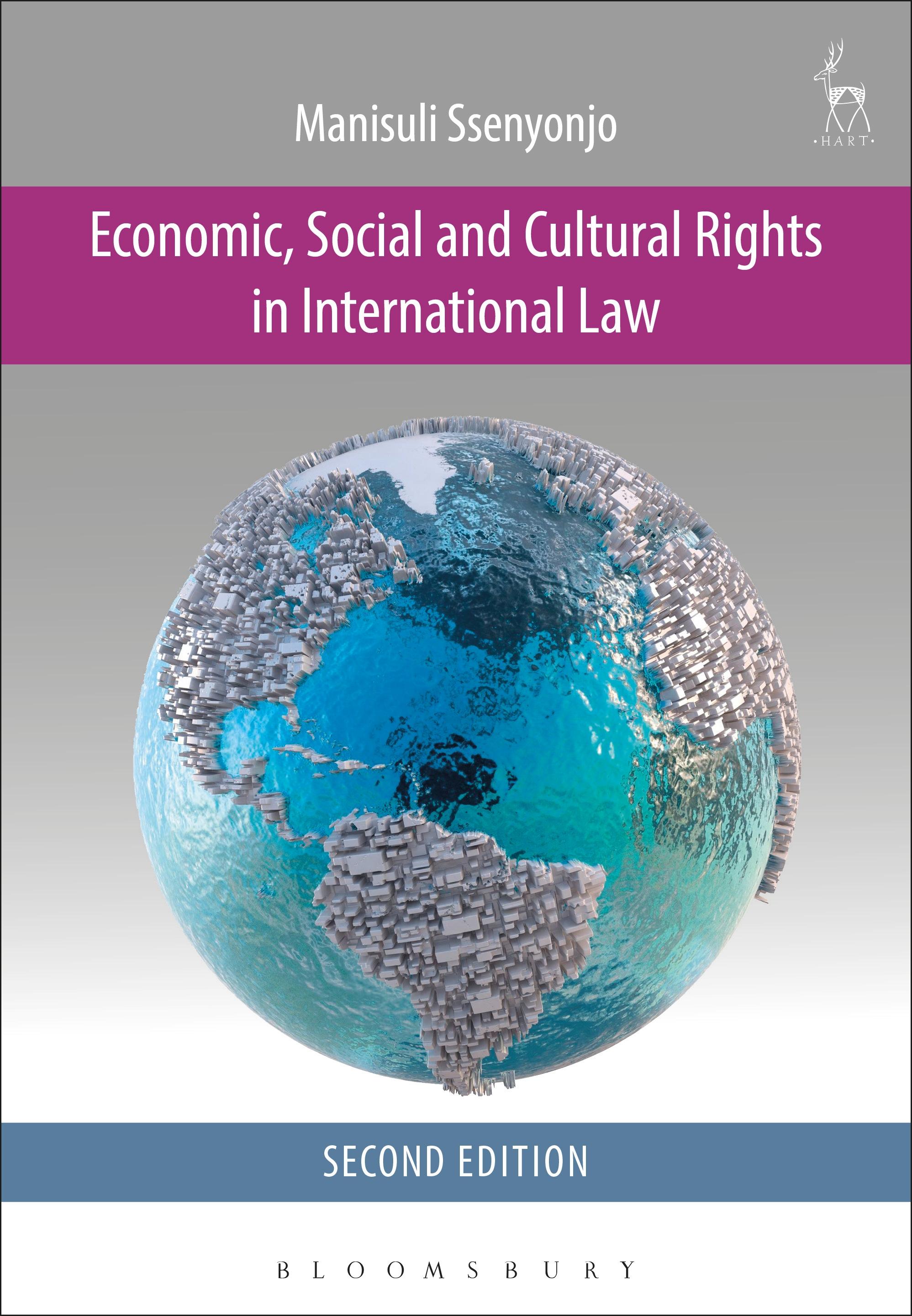
Since the first edition (published in 2009), there have been several important treaty developments, including the entry into force of the Optional Protocol to the International Covenant on Economic, Social and Cultural Rights (ICESCR) on individual communications, and significant developments in the case law on economic, social and cultural (ESC) rights.
The second edition addresses these developments and explores ESC rights from foundational issues to substantive rights and systems of protection. It has been fully updated to include new material and up-to-date coverage of the case law of human rights bodies and national courts on ESC rights. In addition to the rights to health, education and work covered in the first edition, the second edition analyses new developments, such as the rights to adequate food, water and sanitation, adequate housing, social security and cultural rights.
It also considers several contemporary issues including the extraterritorial human rights obligations of states in the area of economic, social and cultural rights; non-state actors; relationship of the ICESCR to other areas of international law; the Optional Protocol to the ICESCR; regional protection of ESC rights; more examples of the domestic protection of ESC rights; the protection of ESC rights of vulnerable groups; contemporary challenges to ESC rights, including poverty, corruption, armed conflicts and terrorism. It concludes by exploring the possible establishment of a World Court of Human Rights.
The second edition addresses these developments and explores ESC rights from foundational issues to substantive rights and systems of protection. It has been fully updated to include new material and up-to-date coverage of the case law of human rights bodies and national courts on ESC rights. In addition to the rights to health, education and work covered in the first edition, the second edition analyses new developments, such as the rights to adequate food, water and sanitation, adequate housing, social security and cultural rights.
It also considers several contemporary issues including the extraterritorial human rights obligations of states in the area of economic, social and cultural rights; non-state actors; relationship of the ICESCR to other areas of international law; the Optional Protocol to the ICESCR; regional protection of ESC rights; more examples of the domestic protection of ESC rights; the protection of ESC rights of vulnerable groups; contemporary challenges to ESC rights, including poverty, corruption, armed conflicts and terrorism. It concludes by exploring the possible establishment of a World Court of Human Rights.
Betal nemt med kort, Klarna, Apple Pay eller Google Pay. Ikke tilfreds? Du har altid 14 dages fortrydelsesret. Læs mere i vores vilkår. Har du spørgsmål, så send os en mail på hello@memmo.org.
Memmo gør det nemmere at studere – uanset hvor du er i verden. Hos os samler du dine kursusbøger og smarte studieværktøjer ét sted: resuméer, quizzer, podcasts og flashcards. Og så er der Ted, din studieven, der svarer på alt, du undrer dig over. Over 50 000 studerende studerer allerede her – bygget til at hjælpe dig med at lære hurtigere og stresse mindre.