
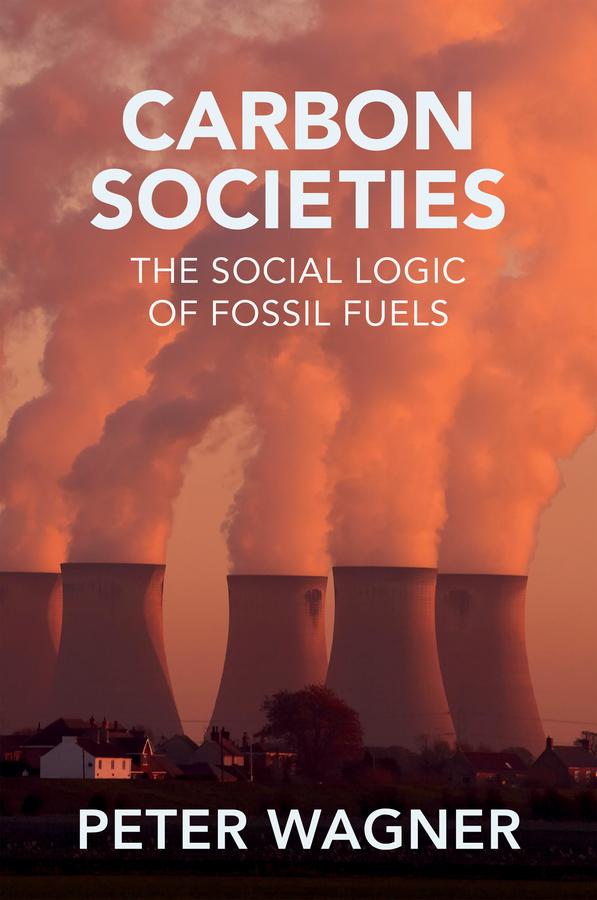
The climate crisis is humanmade. Its main cause is the burning of fossil fuels. To combat climate change, we have to understand how we arrived at where we are. This book explores the reasons why human societies have embarked on the trajectory of ever-increasing use of fossil fuels.
Population growth, desire for freedom from want and profit-seeking all played major roles in shaping human history, but there has been no inevitable drive towards heating up the atmosphere in the pursuit of social objectives. To sustain a growing population, more natural resources are required, but their use does not need to generate climate change. No logic of modernity links freedom with a kind of material abundance that requires the burning of fossil fuels. No logic of capital necessarily ties the search for profit to the extraction of fossil resources.
Examining the critical junctures in human history when resource regimes changed, this book identifies the social problems that were meant to be solved by burning fossil fuels and the power hierarchies that shaped the decisions to use them. Wagner argues that the key choices that led to the climate emergency were made relatively recently, during the second half of the 20th century: they are close enough in time for us to undo the prevailing social logic of fossil fuels. By redefining the key problems that humankind is facing and reshaping the existing mechanisms of power, we can take the decisive action needed to reduce our dependence on fossil fuels and avert the worst consequences of climate change.
Population growth, desire for freedom from want and profit-seeking all played major roles in shaping human history, but there has been no inevitable drive towards heating up the atmosphere in the pursuit of social objectives. To sustain a growing population, more natural resources are required, but their use does not need to generate climate change. No logic of modernity links freedom with a kind of material abundance that requires the burning of fossil fuels. No logic of capital necessarily ties the search for profit to the extraction of fossil resources.
Examining the critical junctures in human history when resource regimes changed, this book identifies the social problems that were meant to be solved by burning fossil fuels and the power hierarchies that shaped the decisions to use them. Wagner argues that the key choices that led to the climate emergency were made relatively recently, during the second half of the 20th century: they are close enough in time for us to undo the prevailing social logic of fossil fuels. By redefining the key problems that humankind is facing and reshaping the existing mechanisms of power, we can take the decisive action needed to reduce our dependence on fossil fuels and avert the worst consequences of climate change.
Betal nemt med kort, Klarna, Apple Pay eller Google Pay. Ikke tilfreds? Du har altid 14 dages fortrydelsesret. Læs mere i vores vilkår. Har du spørgsmål, så send os en mail på hello@memmo.org.
Memmo gør det nemmere at studere – uanset hvor du er i verden. Hos os samler du dine kursusbøger og smarte studieværktøjer ét sted: resuméer, quizzer, podcasts og flashcards. Og så er der Ted, din studieven, der svarer på alt, du undrer dig over. Over 50 000 studerende studerer allerede her – bygget til at hjælpe dig med at lære hurtigere og stresse mindre.
Du kan måske også lide
Køb bogen0