
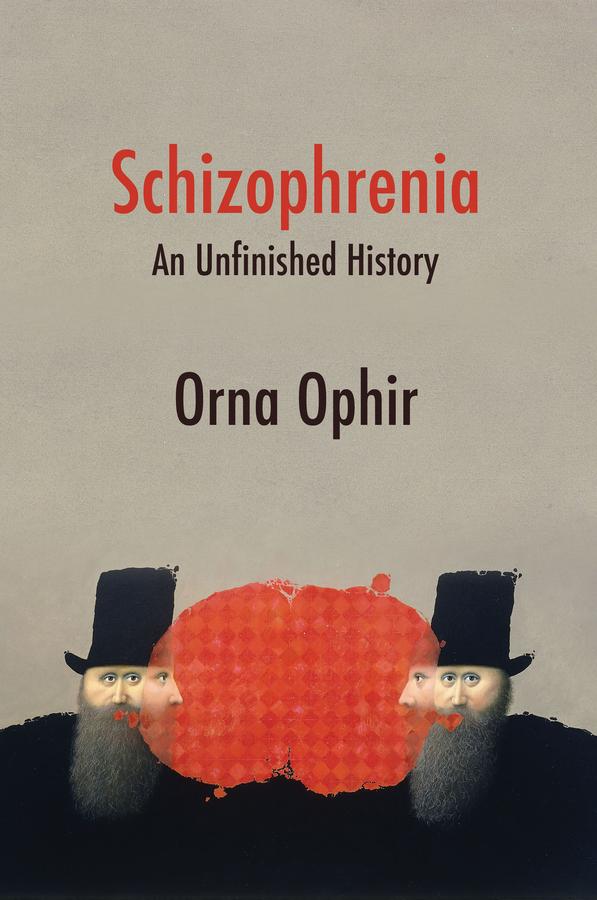
Throughout the world, schizophrenia is a diagnosis now in decline, representing a radical shift in our historical and medical understanding of madness and mental distress. But what does this medical term, first coined by a Swiss psychiatrist in 1908, mean? And why is it increasingly unpopular among patients and the medical establishment?
Historian and clinician Orna Ophir unearths the stories of patients and doctors as they struggle to make sense of this debilitating condition. At different times, patients have been depicted as possessed by demons, or simply “inspired,” as hearing voices, suffering from a “split-mind,” or merely having difficulty in “integrating” experiences. Now, a century after its birth, schizophrenia is increasingly viewed not as a radical, abnormal disease defined by an ever-changing cluster of symptoms, but the extreme end of a spectrum on which we are all located.
The story Ophir tells is a hopeful one: As patients and doctors sought to overcome stigma and improve therapeutic outcomes, they have shown ever-greater sensitivity to diversity and difference. Schizophrenia: An Unfinished History gestures toward a future in which clinicians and patients will collaborate in the search for better outcomes.
Betal nemt med kort, Klarna, Apple Pay eller Google Pay. Ikke tilfreds? Du har altid 14 dages fortrydelsesret. Læs mere i vores vilkår. Har du spørgsmål, så send os en mail på hello@memmo.org.
Memmo gør det nemmere at studere – uanset hvor du er i verden. Hos os samler du dine kursusbøger og smarte studieværktøjer ét sted: resuméer, quizzer, podcasts og flashcards. Og så er der Ted, din studieven, der svarer på alt, du undrer dig over. Over 50 000 studerende studerer allerede her – bygget til at hjælpe dig med at lære hurtigere og stresse mindre.