
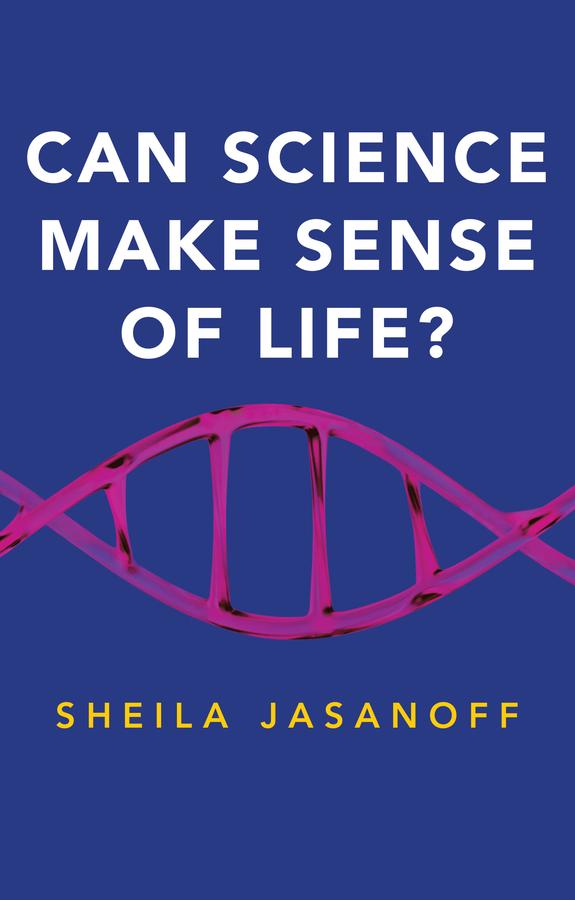
Since the discovery of the structure of DNA and the birth of the genetic age, a powerful vocabulary has emerged to express science’s growing command over the matter of life. Armed with knowledge of the code that governs all living things, biology and biotechnology are poised to edit, even rewrite, the texts of life to correct nature’s mistakes.
Yet, how far should the capacity to manipulate what life is at the molecular level authorize science to define what life is for? This book looks at flash points in law, politics, ethics, and culture to argue that science’s promises of perfectibility have gone too far. Science may have editorial control over the material elements of life, but it does not supersede the languages of sense-making that have helped define human values across millennia: the meanings of autonomy, integrity, and privacy; the bonds of kinship, family, and society; and the place of humans in nature.
Betal nemt med kort, Klarna, Apple Pay eller Google Pay. Ikke tilfreds? Du har altid 14 dages fortrydelsesret. Læs mere i vores vilkår. Har du spørgsmål, så send os en mail på hello@memmo.org.
Memmo gør det nemmere at studere – uanset hvor du er i verden. Hos os samler du dine kursusbøger og smarte studieværktøjer ét sted: resuméer, quizzer, podcasts og flashcards. Og så er der Ted, din studieven, der svarer på alt, du undrer dig over. Over 50 000 studerende studerer allerede her – bygget til at hjælpe dig med at lære hurtigere og stresse mindre.