
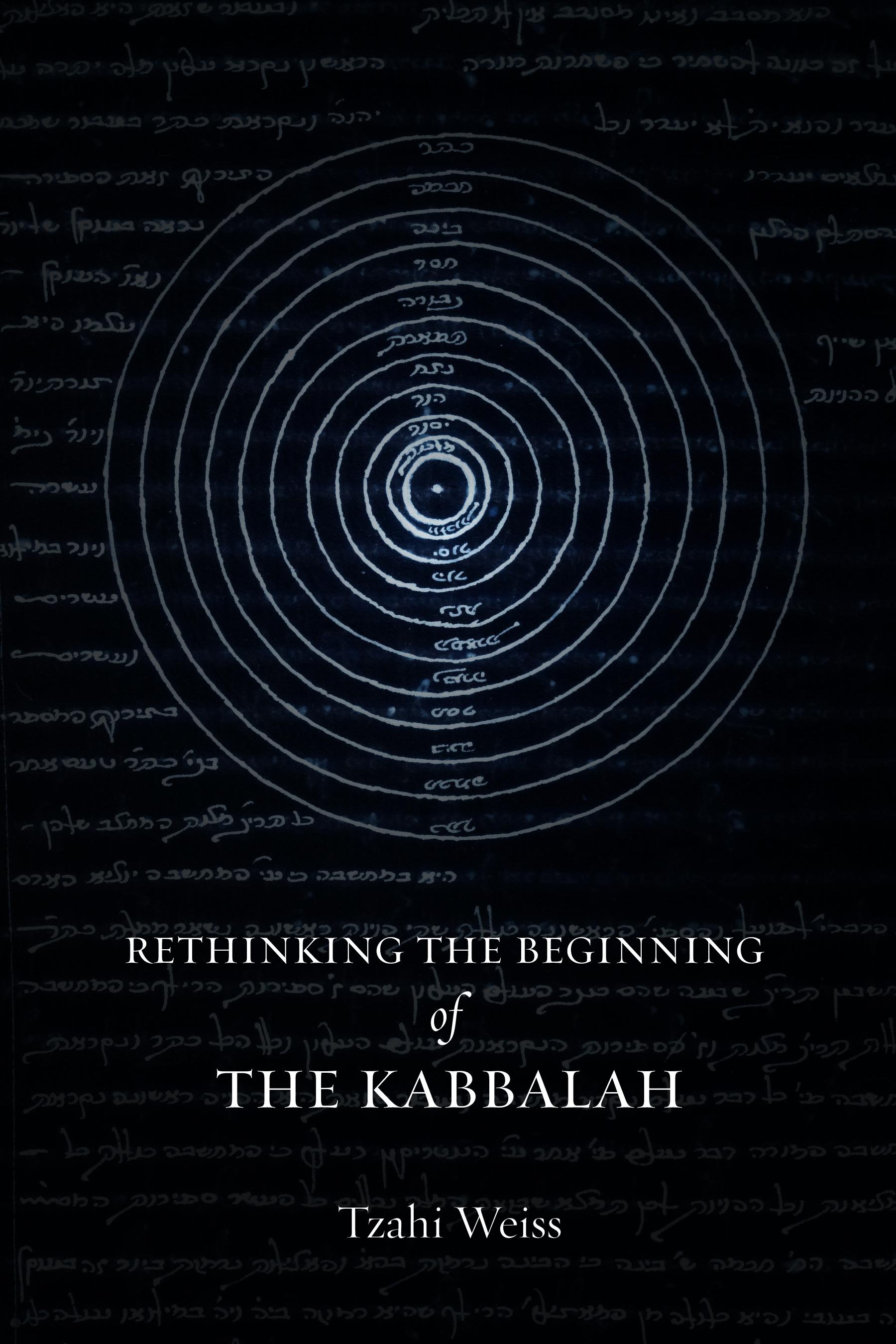
The Kabbalistic literature, with its enigmatic secrets, vivid mythical depictions, and profound mystical content, along with its exhortations and admonitions to study its contents with great caution, is acknowledged as a cornerstone of the medieval Jewish intellectual tradition. The sudden appearance of this unique body of literature at the outset of the thirteenth century captivated scholars as early as the nineteenth century, establishing itself as a central inquiry within the historiography of the Kabbalah. With this book, Tzahi Weiss reassesses the legitimacy of 'Kabbalah' as a term altogether.
In his seminal work Origins of the Kabbalah, Gershom Scholem articulated the sudden appearance of this literature as a fundamental question in the history of the Jewish religion. Weiss returns to Scholem's question, offering a comprehensive historiographic account of the beginning of the Kabbalah for the first time since Scholem. To correct the ahistorical use of the term 'Kabbalah' to describe this important body of Jewish thought, Weiss proposes that scholars of this literature focus on the more definitive and concrete phenomenon of the systems of the Sefirot. Along the way, he sheds light on the intricate tapestry of early 13th-century Jewish religious thought, unveiling a nuanced spectrum beyond the conventional dichotomy of 'Kabbalah' and 'philosophy.'
Betal nemt med kort, Klarna, Apple Pay eller Google Pay. Ikke tilfreds? Du har altid 14 dages fortrydelsesret. Læs mere i vores vilkår. Har du spørgsmål, så send os en mail på hello@memmo.org.
Memmo gør det nemmere at studere – uanset hvor du er i verden. Hos os samler du dine kursusbøger og smarte studieværktøjer ét sted: resuméer, quizzer, podcasts og flashcards. Og så er der Ted, din studieven, der svarer på alt, du undrer dig over. Over 50 000 studerende studerer allerede her – bygget til at hjælpe dig med at lære hurtigere og stresse mindre.