
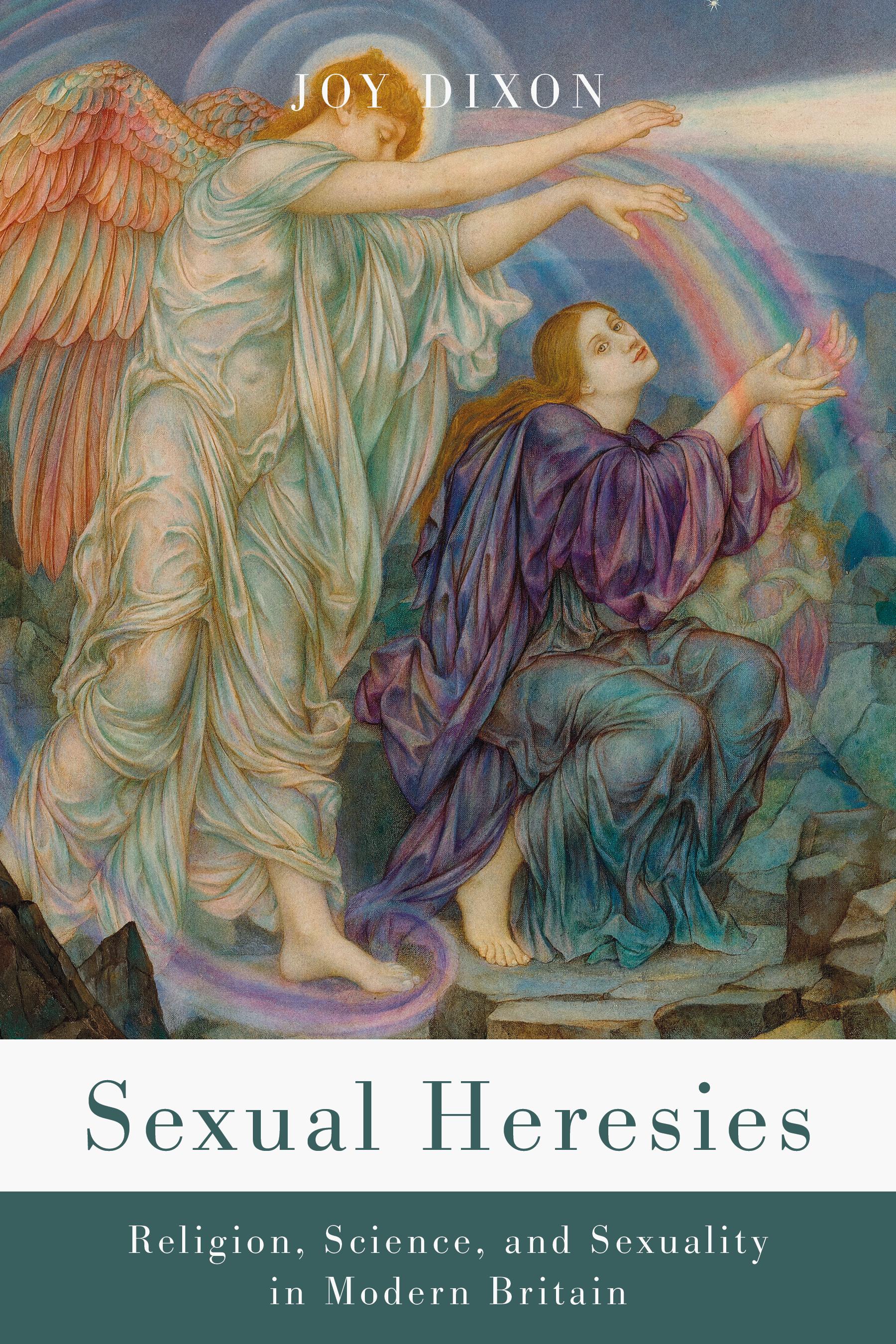
In Britain at the end of the nineteenth century, the new sexual sciences—from anthropological accounts of religion as rooted in ancient fertility cults to psychoanalytic theories that explained religious experience in terms of psychosexual development—characterized religion as closely connected to the sexual. The outcome, as Joy Dixon argues, was a new sense that religion itself could be sexually suspect. One result was an increasing concern to police "sexual heresies" to produce a supposedly normal (healthy, monogamous, and heterosexual) religiosity. The overall effect was a narrowing of the sexual possibilities inside "orthodox" religion and the association of alternative forms of religion with dissident sexualities that continues to shape both religion and secularism today. Drawing on a wide range of materials from diverse elements of British society, this book emphasizes the dynamic relationships between the histories of religion and of sexuality and the historical contingency of the categories we use to understand the relationship between the two.
Betal nemt med kort, Klarna, Apple Pay eller Google Pay. Ikke tilfreds? Du har altid 14 dages fortrydelsesret. Læs mere i vores vilkår. Har du spørgsmål, så send os en mail på hello@memmo.org.
Memmo gør det nemmere at studere – uanset hvor du er i verden. Hos os samler du dine kursusbøger og smarte studieværktøjer ét sted: resuméer, quizzer, podcasts og flashcards. Og så er der Ted, din studieven, der svarer på alt, du undrer dig over. Over 50 000 studerende studerer allerede her – bygget til at hjælpe dig med at lære hurtigere og stresse mindre.