
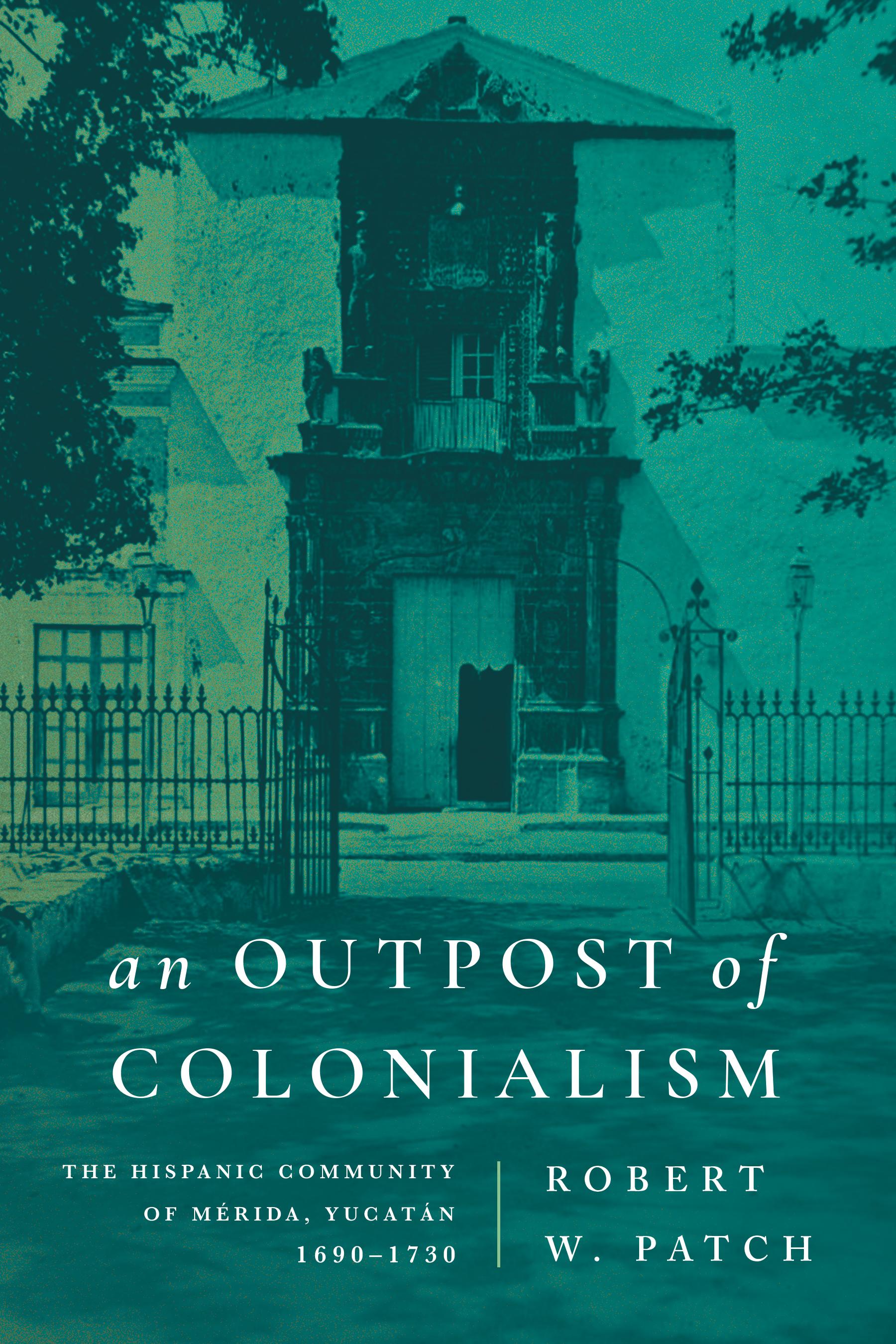
Using the categories of status, political power, and wealth, Robert W. Patch shows how Hispanic society in Mérida, Yucatán was stratified into upper, middle, and lower classes. Lacking any exportable resource except cotton textiles extracted from Maya people and exported to northern Mexico, the Hispanic community earned enough through those exports to import the material goods necessary to maintain a "Spanish" identity. The only productive economic activity of the Hispanic people was cattle ranching, and ownership of cattle was widespread, though some owned a lot more than others. Political participation was shared by the upper and middle classes, but a power elite dominated politics. Socially, people usually married within their social class and remained separate from the Maya population. The upper class, however, was not an endogamous caste descended from the conquistadors, but instead accepted wealthy people, including European immigrants, into their group. Basques, Cantabrians, and Canary Islanders tried to maintain their separate ethnicities but ultimately created a new "Spanish" identity, and many entered the upper class. Social mobility upward and downward was thus common in colonial Mérida. An Outpost of Colonialism illuminates this process of class formation and explains how the successful social reproduction of Hispanic society perpetuated the correlation between skin color (race) and social class.
Betal nemt med kort, Klarna, Apple Pay eller Google Pay. Ikke tilfreds? Du har altid 14 dages fortrydelsesret. Læs mere i vores vilkår. Har du spørgsmål, så send os en mail på hello@memmo.org.
Memmo gør det nemmere at studere – uanset hvor du er i verden. Hos os samler du dine kursusbøger og smarte studieværktøjer ét sted: resuméer, quizzer, podcasts og flashcards. Og så er der Ted, din studieven, der svarer på alt, du undrer dig over. Over 50 000 studerende studerer allerede her – bygget til at hjælpe dig med at lære hurtigere og stresse mindre.