
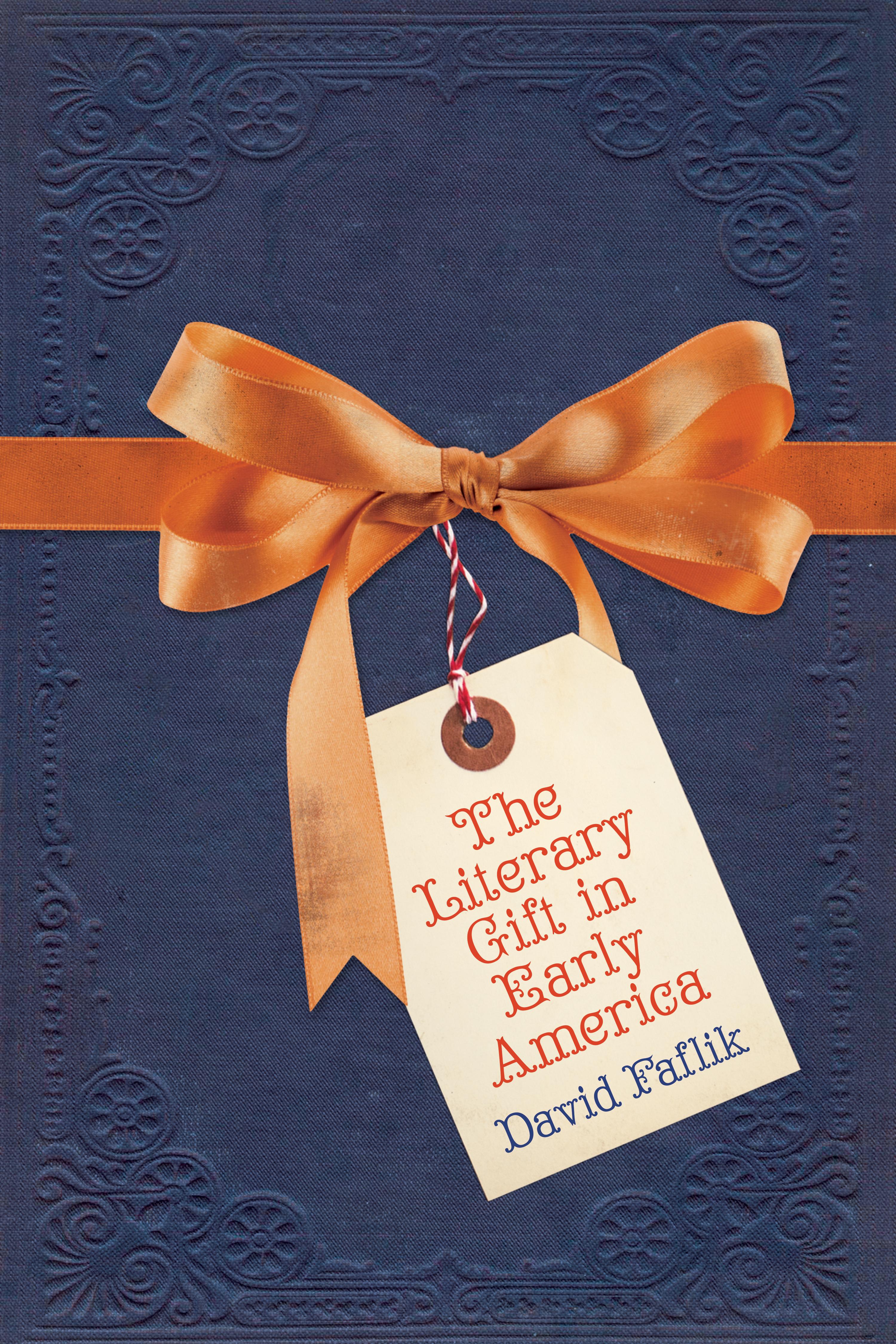
Some of the most meaningful moments in early American literature relied on historical patterns of gift exchange, David Faflik argues in this compelling book. Gift exchange kept a surprising variety of literary objects in circulation across the diverse societies, economies, and cultures of the Americas, from the seventeenth through the nineteenth centuries.
From the gifting of a Narragansett grammar as a foundational event in the project of colonization in New England, to the use of Benjamin Franklin's Poor Richard's Almanack in the classrooms of an independent Brazil, to Catharine Maria Sedgwick's fictions framing literature as the object of middle-class gifting, chapters offer an interdisciplinary perspective on book history and literary history in the United States and beyond. Faflik contends that it is because of the wild ways in which books circulated as gifts that works by Franklin, New England colonist Roger Williams, Sedgwick, Walt Whitman, and Emily Dickinson resisted the generic conventions of their day. Offering a revisionist account of how literary meaning is made, The Literary Gift in Early America calls for closer attention to the historical patterns of literary give and take in the Americas.
Betal nemt med kort, Klarna, Apple Pay eller Google Pay. Ikke tilfreds? Du har altid 14 dages fortrydelsesret. Læs mere i vores vilkår. Har du spørgsmål, så send os en mail på hello@memmo.org.
Memmo gør det nemmere at studere – uanset hvor du er i verden. Hos os samler du dine kursusbøger og smarte studieværktøjer ét sted: resuméer, quizzer, podcasts og flashcards. Og så er der Ted, din studieven, der svarer på alt, du undrer dig over. Over 50 000 studerende studerer allerede her – bygget til at hjælpe dig med at lære hurtigere og stresse mindre.