
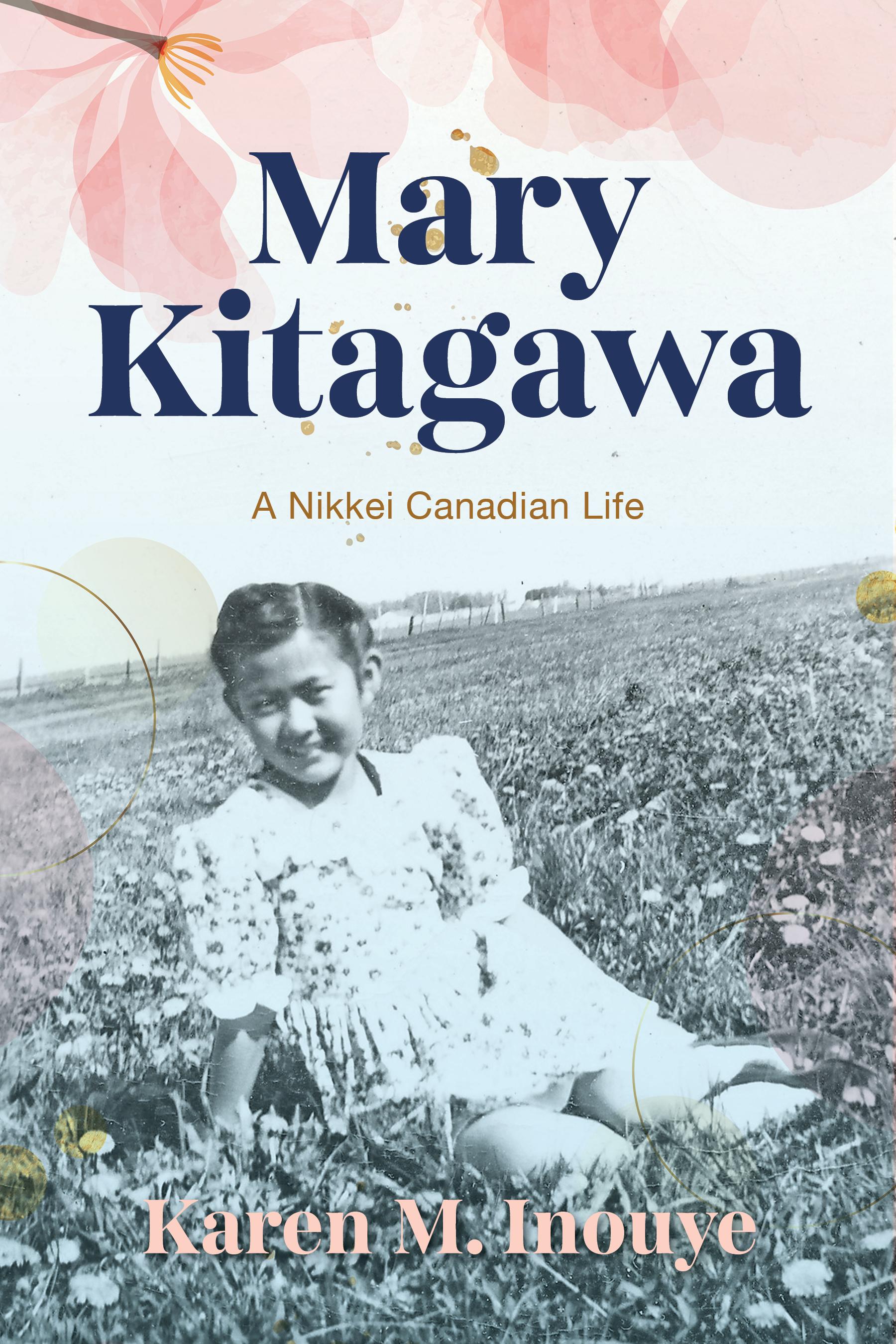
This book tells the story of Japanese Canadian activist Mary Kitagawa. In the aftermath of the Pearl Harbor bombing, Mary was one of roughly 22,000 Nikkei uprooted from their homes on the Pacific coast and forbidden to return to western British Columbia until long after World War II had officially ended. In the decades that followed, Mary and her family navigated financial precarity and ostracism, but also found ways to pursue both economic stability and political engagement. Beginning with Mary's grandparents, who were among the earliest immigrants to Canada from Japan, this book tracks the family's experiences—and those of the larger Nikkei Canadian community—from the late 1800s to the present.
Concentrating on the interpersonal and intergenerational bonds that shaped Kitagawa, Karen M. Inouye describes the increasingly activist sensibilities that arose from transformative relationships—with family members, other members of the Nikkei Canadian community, Doukhobors, First Nations peoples, and white allies—as well as in response to the anti-Asian racism that Kitagawa encountered in many forms throughout her life. Inouye presents the Nikkei Canadian experience not as a linear triumph over a single adversity, but as a continual process of identity formation in relation to obstacles and opportunities, suffering and joy, isolation and connection.
Betal nemt med kort, Klarna, Apple Pay eller Google Pay. Ikke tilfreds? Du har altid 14 dages fortrydelsesret. Læs mere i vores vilkår. Har du spørgsmål, så send os en mail på hello@memmo.org.
Memmo gør det nemmere at studere – uanset hvor du er i verden. Hos os samler du dine kursusbøger og smarte studieværktøjer ét sted: resuméer, quizzer, podcasts og flashcards. Og så er der Ted, din studieven, der svarer på alt, du undrer dig over. Over 50 000 studerende studerer allerede her – bygget til at hjælpe dig med at lære hurtigere og stresse mindre.