
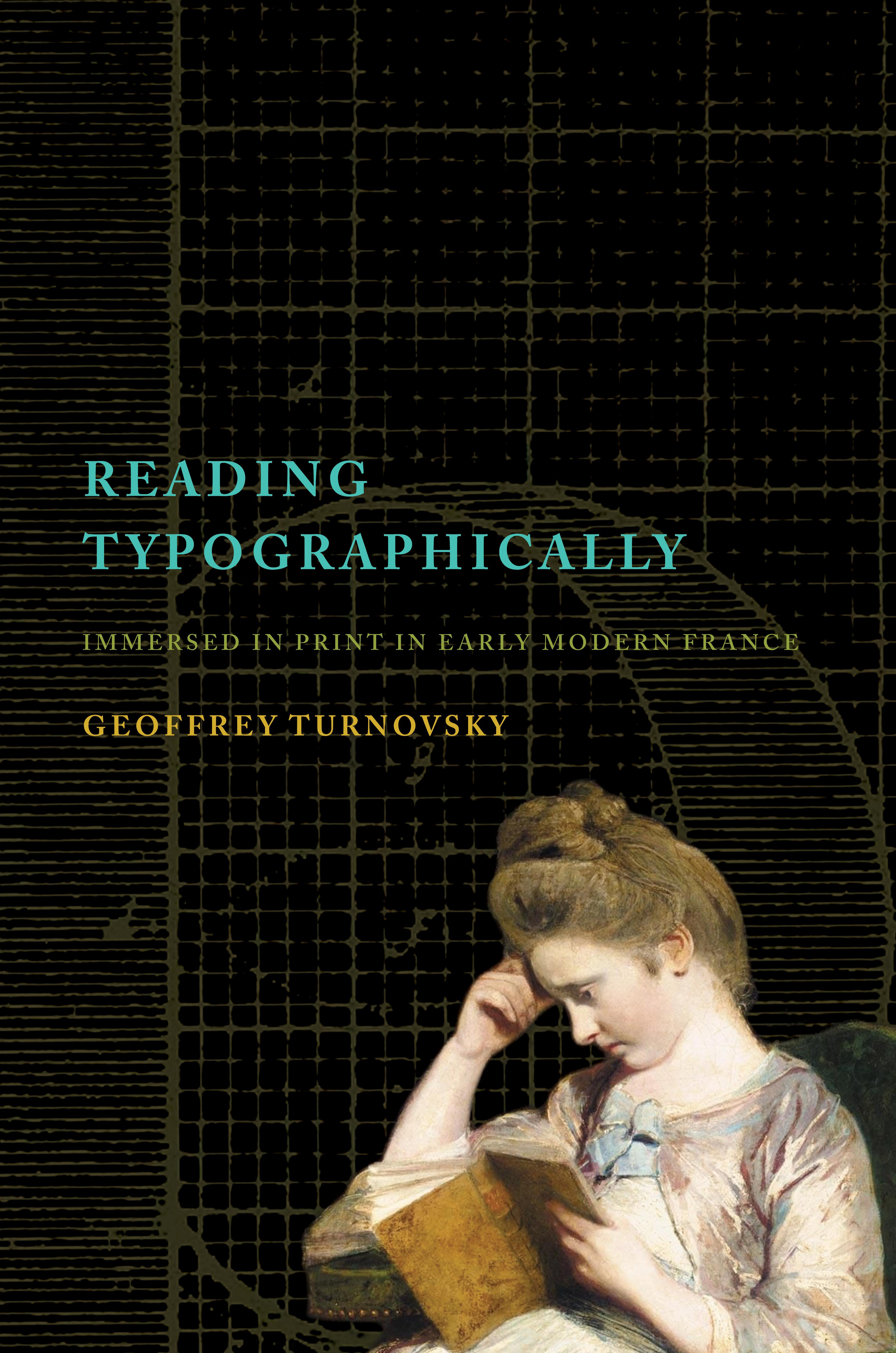
Anxieties about the fate of reading in the digital age reveal how deeply our views of the moral and intellectual benefits of reading are tied to print. These views take root in a conception of reading as an immersive activity, exemplified by the experience of "losing oneself in a book." Against the backdrop of digital distraction and fragmentation, such immersion leads readers to become more focused, collected, and empathetic.
How did we come to see the printed book as especially suited to deliver this experience? Print-based reading practices have historically included a wide range of modes, not least the disjointed scanning we associate today with electronic text. In the context of religious practice, literacy's benefits were presumed to lie in such random-access retrieval, facilitated by indexical tools like the numbering of Biblical chapters and verses. It was this didactic, hunt-and-peck reading that bound readers to communities.
Exploring key evolutions in print in 17th- and 18th-century France, from typeface, print runs, and format to punctuation and the editorial adaptation of manuscript and oral forms in print, this book argues that typographic developments upholding the transparency of the printed medium were decisive for the ascendancy of immersive reading as a dominant paradigm that shaped modern perspectives on reading and literacy.
Betal nemt med kort, Klarna, Apple Pay eller Google Pay. Ikke tilfreds? Du har altid 14 dages fortrydelsesret. Læs mere i vores vilkår. Har du spørgsmål, så send os en mail på hello@memmo.org.
Memmo gør det nemmere at studere – uanset hvor du er i verden. Hos os samler du dine kursusbøger og smarte studieværktøjer ét sted: resuméer, quizzer, podcasts og flashcards. Og så er der Ted, din studieven, der svarer på alt, du undrer dig over. Over 50 000 studerende studerer allerede her – bygget til at hjælpe dig med at lære hurtigere og stresse mindre.