
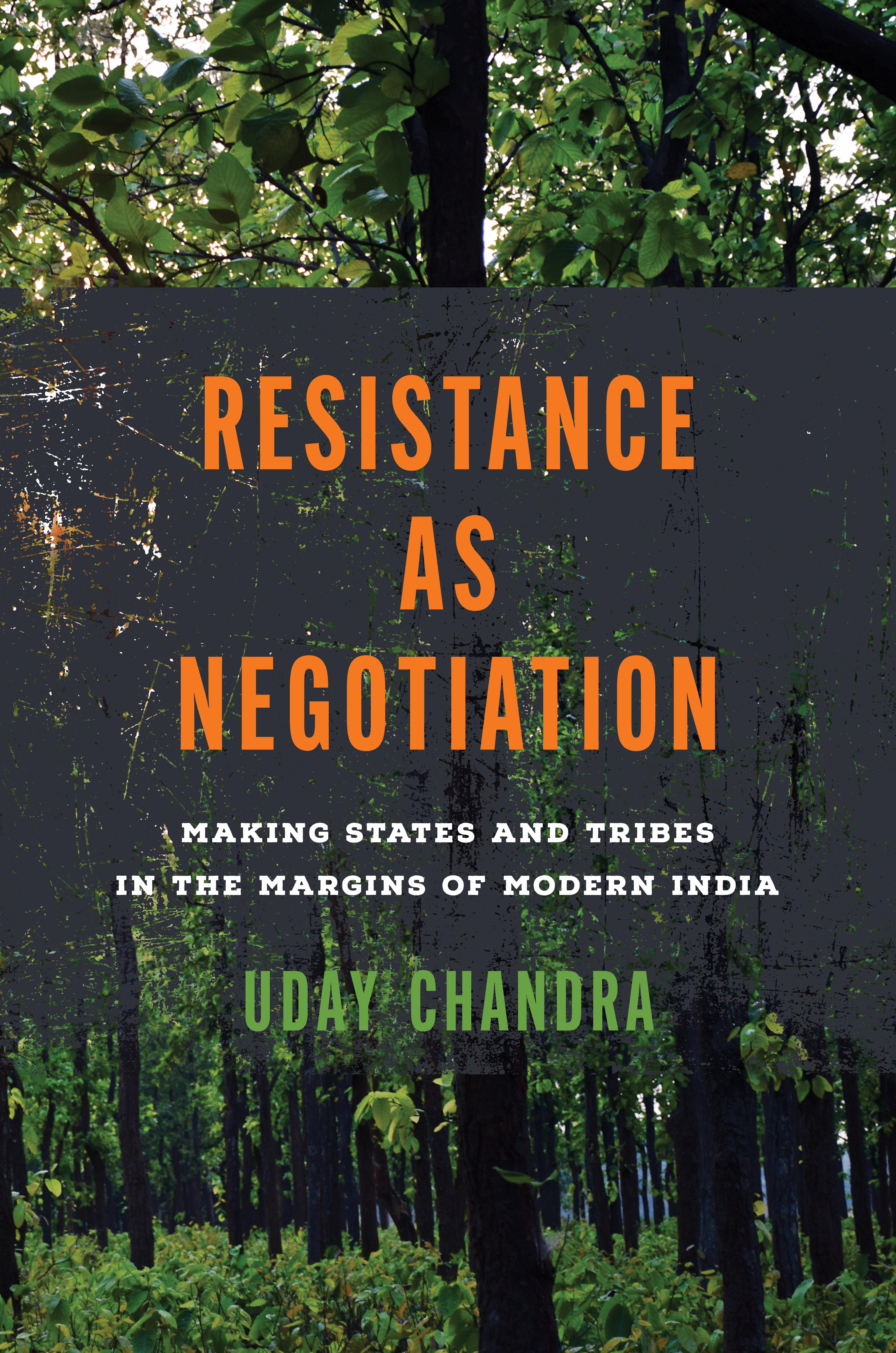
"Tribes" appear worldwide today as vestiges of a pre-modern past at odds with the workings of modern states. Acts of resistance and rebellion by groups designated as "tribal" have fascinated as well as perplexed administrators and scholars in South Asia and beyond. Tribal resistance and rebellion are held to be tragic yet heroic political acts by "subaltern" groups confronting omnipotent states. By contrast, this book draws on fifteen years of archival and ethnographic research to argue that statemaking is intertwined inextricably with the politics of tribal resistance in the margins of modern India.
Uday Chandra demonstrates how the modern Indian state and its tribal or adivasi subjects have made and remade each other throughout the colonial and postcolonial eras, historical processes of modern statemaking shaping and being shaped by myriad forms of resistance by tribal subjects. Accordingly, tribal resistance, whether peaceful or violent, is better understood vis-à-vis negotiations with the modern state, rather than its negation, over the past two centuries. How certain people and places came to be seen as "tribal" in modern India is, therefore, tied intimately to how "tribal" subjects remade their customs and community in the course of negotiations with colonial and postcolonial states. Ultimately, the empirical material unearthed in this book requires rethinking and rewriting the political history of modern India from its "tribal" margins.
Betal nemt med kort, Klarna, Apple Pay eller Google Pay. Ikke tilfreds? Du har altid 14 dages fortrydelsesret. Læs mere i vores vilkår. Har du spørgsmål, så send os en mail på hello@memmo.org.
Memmo gør det nemmere at studere – uanset hvor du er i verden. Hos os samler du dine kursusbøger og smarte studieværktøjer ét sted: resuméer, quizzer, podcasts og flashcards. Og så er der Ted, din studieven, der svarer på alt, du undrer dig over. Over 50 000 studerende studerer allerede her – bygget til at hjælpe dig med at lære hurtigere og stresse mindre.