
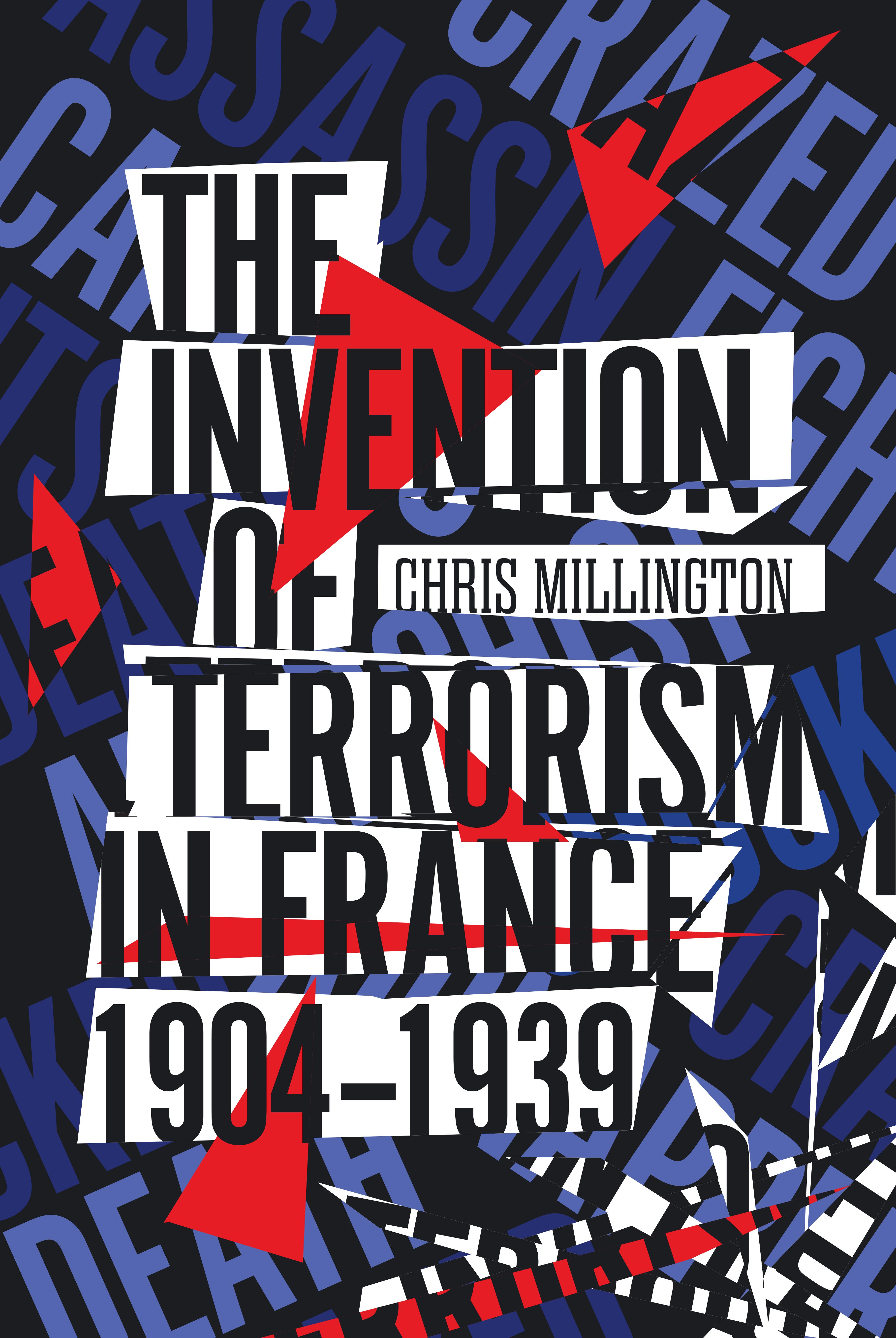
The Invention of Terrorism in France, 1904-1939 investigates the political and social imaginaries of "terrorism" in the early twentieth century. Chris Millington traces the development of how the French conceived of terrorism, from the late nineteenth-century notion that terrorism was the deed of the mad anarchist bomber, to the fraught political clashes of the 1930s when terrorism came to be understood as a political act perpetrated against French interests by organized international movements. Through a close analysis of a series of terrorist incidents and representations thereof in public discourse and the press, the book argues that contemporary ideas of terrorism in France as "unFrench"—that is, contrary to the ideas and values, however defined, that make up "Frenchness"—emerged in the interwar years and subsequently took root long before the terrorist campaigns of Algerian nationalists during the 1950s and 1960s.
Millington conceptualizes "terrorism" not only as the act itself, but also as a political and cultural construction of violence composed from a variety of discourses and deployed in particular circumstances by commentators, witnesses, and perpetrators. In doing so, he argues that the political and cultural battles inherent to perceptions of terrorism lay bare numerous concerns, not least anxieties over immigration, antiparliamentarianism, representations of gender, and the future of European peace.
Betal nemt med kort, Klarna, Apple Pay eller Google Pay. Ikke tilfreds? Du har altid 14 dages fortrydelsesret. Læs mere i vores vilkår. Har du spørgsmål, så send os en mail på hello@memmo.org.
Memmo gør det nemmere at studere – uanset hvor du er i verden. Hos os samler du dine kursusbøger og smarte studieværktøjer ét sted: resuméer, quizzer, podcasts og flashcards. Og så er der Ted, din studieven, der svarer på alt, du undrer dig over. Over 50 000 studerende studerer allerede her – bygget til at hjælpe dig med at lære hurtigere og stresse mindre.