
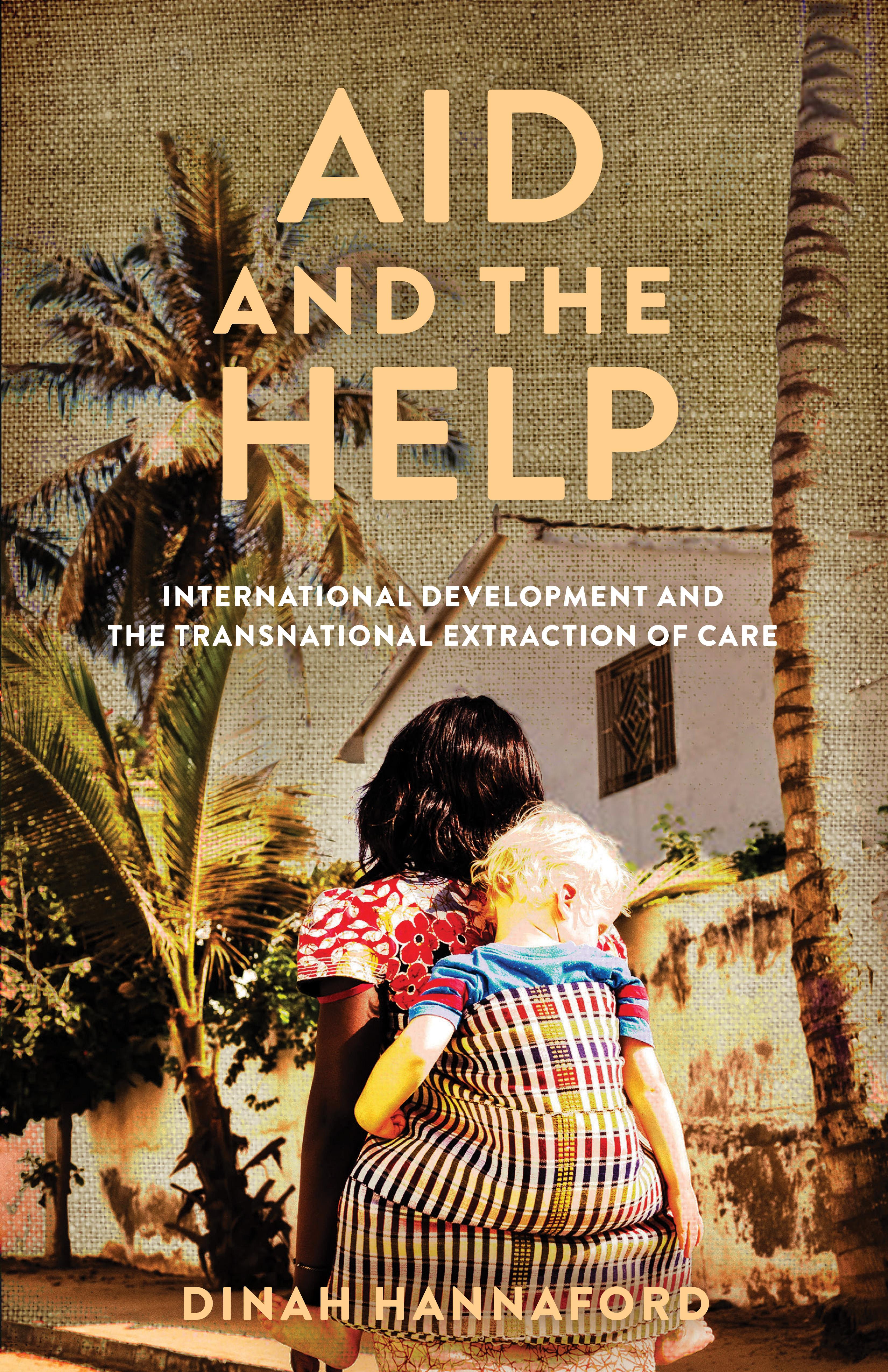
Hiring domestic workers is a routine part of the expat development lifestyle. Whether working for the United Nations, governmental aid agencies, or NGOs such as Oxfam, Save the Children, or World Vision, expatriate aid workers in the developing world employ maids, nannies, security guards, gardeners and chauffeurs. Though nearly every expat aid worker in the developing world has local people working within the intimate sphere of their homes, these relationships are seldom, if ever, discussed in analyses of the development paradigm and its praxis. Aid and the Help addresses this major lacuna through an ethnographic analysis of the intersection of development work and domestic work. Examining the reproductive labor cheaply purchased by aid workers posted overseas opens the opportunity to assess the multiple ways that the ostensibly "giving" industry of development can be an extractive industry as well.
Betal nemt med kort, Klarna, Apple Pay eller Google Pay. Ikke tilfreds? Du har altid 14 dages fortrydelsesret. Læs mere i vores vilkår. Har du spørgsmål, så send os en mail på hello@memmo.org.
Memmo gør det nemmere at studere – uanset hvor du er i verden. Hos os samler du dine kursusbøger og smarte studieværktøjer ét sted: resuméer, quizzer, podcasts og flashcards. Og så er der Ted, din studieven, der svarer på alt, du undrer dig over. Over 50 000 studerende studerer allerede her – bygget til at hjælpe dig med at lære hurtigere og stresse mindre.