
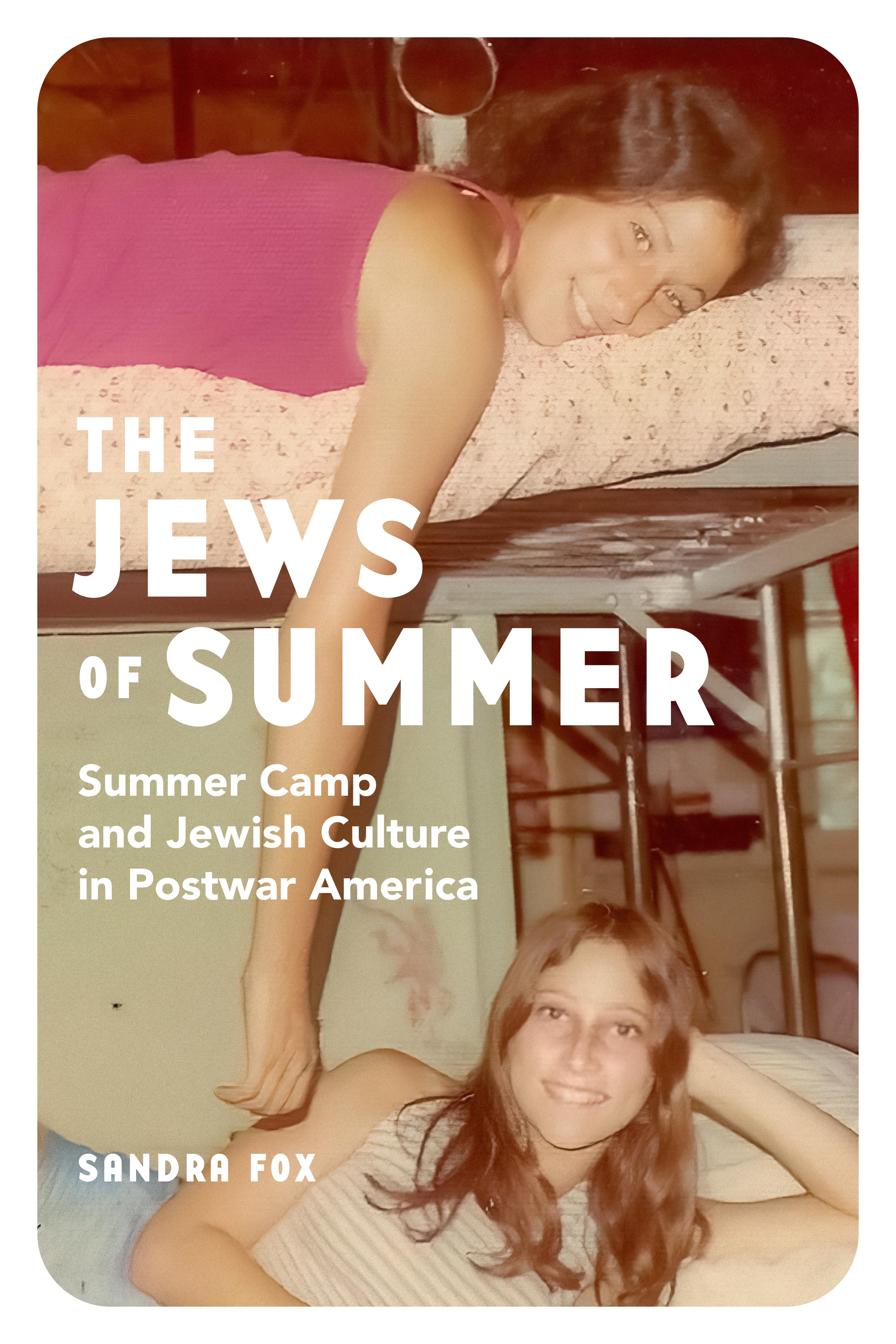
In the decades directly following the Holocaust, American Jewish leaders anxiously debated how to preserve and produce what they considered authentic Jewish culture, fearful that growing affluence and suburbanization threatened the future of Jewish life. Many communal educators and rabbis contended that without educational interventions, Judaism as they understood it would disappear altogether. They pinned their hopes on residential summer camps for Jewish youth: institutions that sprang up across the U.S. in the postwar decades as places for children and teenagers to socialize, recreate, and experience Jewish culture. Adults' fears, hopes, and dreams about the Jewish future inflected every element of camp life, from the languages they taught to what was encouraged romantically and permitted sexually. But adult plans did not constitute everything that occurred at camp: children and teenagers also shaped these sleepaway camps to mirror their own desires and interests and decided whether to accept or resist the ideas and ideologies their camp leaders promoted. Focusing on the lived experience of campers and camp counselors, The Jews of Summer demonstrates how a cultural crisis birthed a rite of passage that remains a significant influence in American Jewish life.
Betal nemt med kort, Klarna, Apple Pay eller Google Pay. Ikke tilfreds? Du har altid 14 dages fortrydelsesret. Læs mere i vores vilkår. Har du spørgsmål, så send os en mail på hello@memmo.org.
Memmo gør det nemmere at studere – uanset hvor du er i verden. Hos os samler du dine kursusbøger og smarte studieværktøjer ét sted: resuméer, quizzer, podcasts og flashcards. Og så er der Ted, din studieven, der svarer på alt, du undrer dig over. Over 50 000 studerende studerer allerede her – bygget til at hjælpe dig med at lære hurtigere og stresse mindre.