
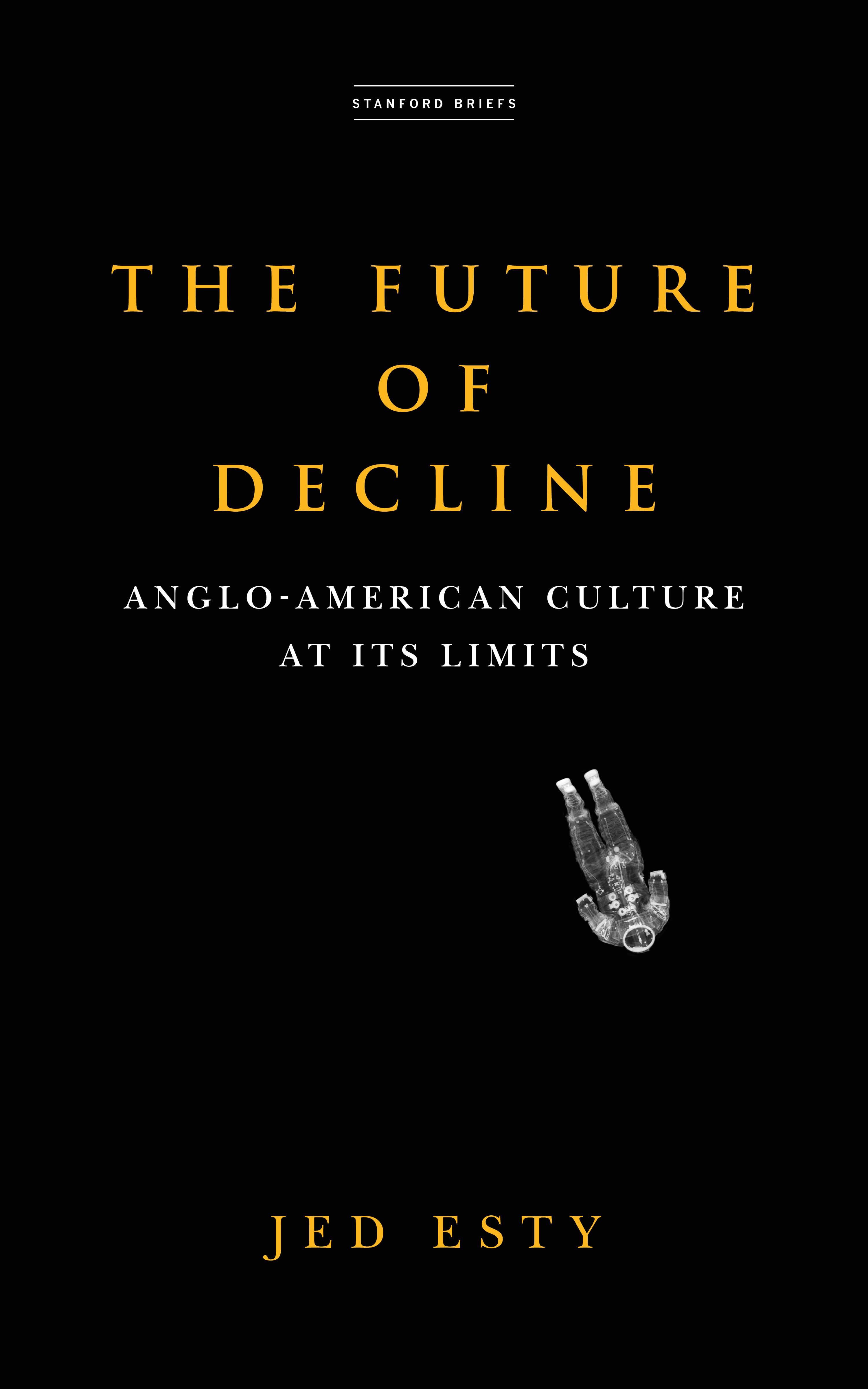
As the US becomes a second-place nation, can it shed the superpower nostalgia that still haunts the UK?
The debate over the US's fading hegemony has raged and sputtered for 50 years, glutting the market with prophecies about American decline. Media experts ask how fast we will fall and how much we will lose, but generally ignore the fundamental question: What does decline mean? What is the significance, in experiential and everyday terms, in feelings and fantasies, of living in a country past its prime?
Drawing on the example of post-WWII Britain and looking ahead at 2020s America, Jed Esty suggests that becoming a second-place nation is neither disastrous, as alarmists claim, nor avoidable, as optimists insist. Contemporary declinism often masks white nostalgia and perpetuates a conservative longing for Cold War certainty. But the narcissistic lure of "lost greatness" appeals across the political spectrum. As Esty argues, it resonates so widely in mainstream media because Americans have lost access to a language of national purpose beyond global supremacy. It is time to shelve the shopworn fables of endless US dominance, to face the multipolar world of the future, and to tell new American stories. The Future of Decline is a guide to finding them.
Betal nemt med kort, Klarna, Apple Pay eller Google Pay. Ikke tilfreds? Du har altid 14 dages fortrydelsesret. Læs mere i vores vilkår. Har du spørgsmål, så send os en mail på hello@memmo.org.
Memmo gør det nemmere at studere – uanset hvor du er i verden. Hos os samler du dine kursusbøger og smarte studieværktøjer ét sted: resuméer, quizzer, podcasts og flashcards. Og så er der Ted, din studieven, der svarer på alt, du undrer dig over. Over 50 000 studerende studerer allerede her – bygget til at hjælpe dig med at lære hurtigere og stresse mindre.