
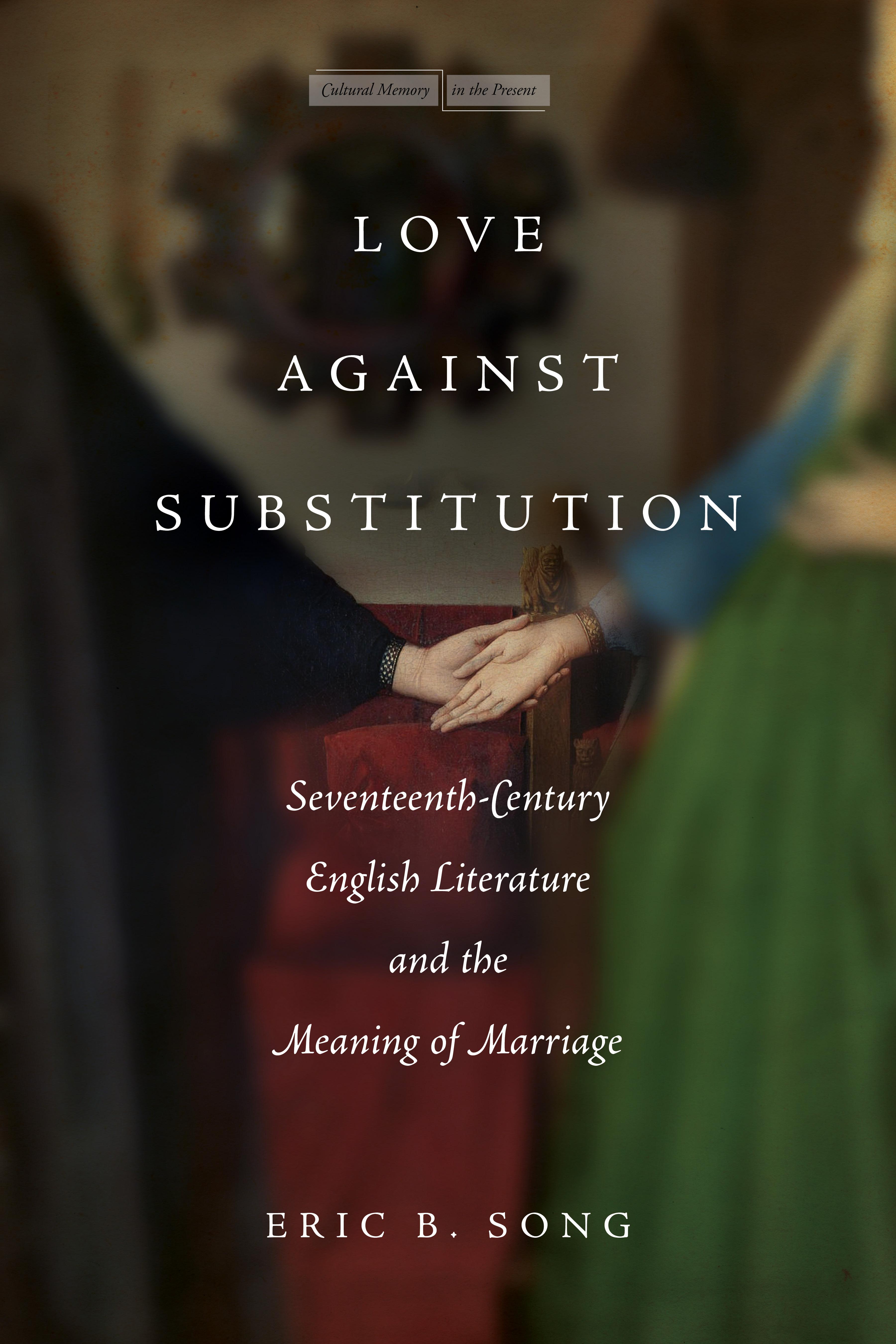
Are we unique as individuals, or are we replaceable? Seventeenth-century English literature pursues these questions through depictions of marriage. The writings studied in this book elevate a love between two individuals who deem each other to be unique to the point of being irreplaceable, and this vocabulary allows writers to put affective pressure on the meaning of marriage as Pauline theology defines it. Stubbornly individual, love threatens to short-circuit marriage's function in directing intimate feelings toward a communal experience of Christ's love.
The literary project of testing the meaning of marriage proved to be urgent work throughout the seventeenth century. Monarchy itself was put on trial in this century, and so was the usefulness of marriage in linking Christian belief with the legitimacy of hereditary succession. Starting at the end of the sixteenth century with Edmund Spenser, and then exploring works by William Shakespeare, William Davenant, John Milton, Lucy Hutchinson, and Aphra Behn, Eric Song offers a new account of how notions of unique personhood became embedded in a literary way of thinking and feeling about marriage.
Betal nemt med kort, Klarna, Apple Pay eller Google Pay. Ikke tilfreds? Du har altid 14 dages fortrydelsesret. Læs mere i vores vilkår. Har du spørgsmål, så send os en mail på hello@memmo.org.
Memmo gør det nemmere at studere – uanset hvor du er i verden. Hos os samler du dine kursusbøger og smarte studieværktøjer ét sted: resuméer, quizzer, podcasts og flashcards. Og så er der Ted, din studieven, der svarer på alt, du undrer dig over. Over 50 000 studerende studerer allerede her – bygget til at hjælpe dig med at lære hurtigere og stresse mindre.