
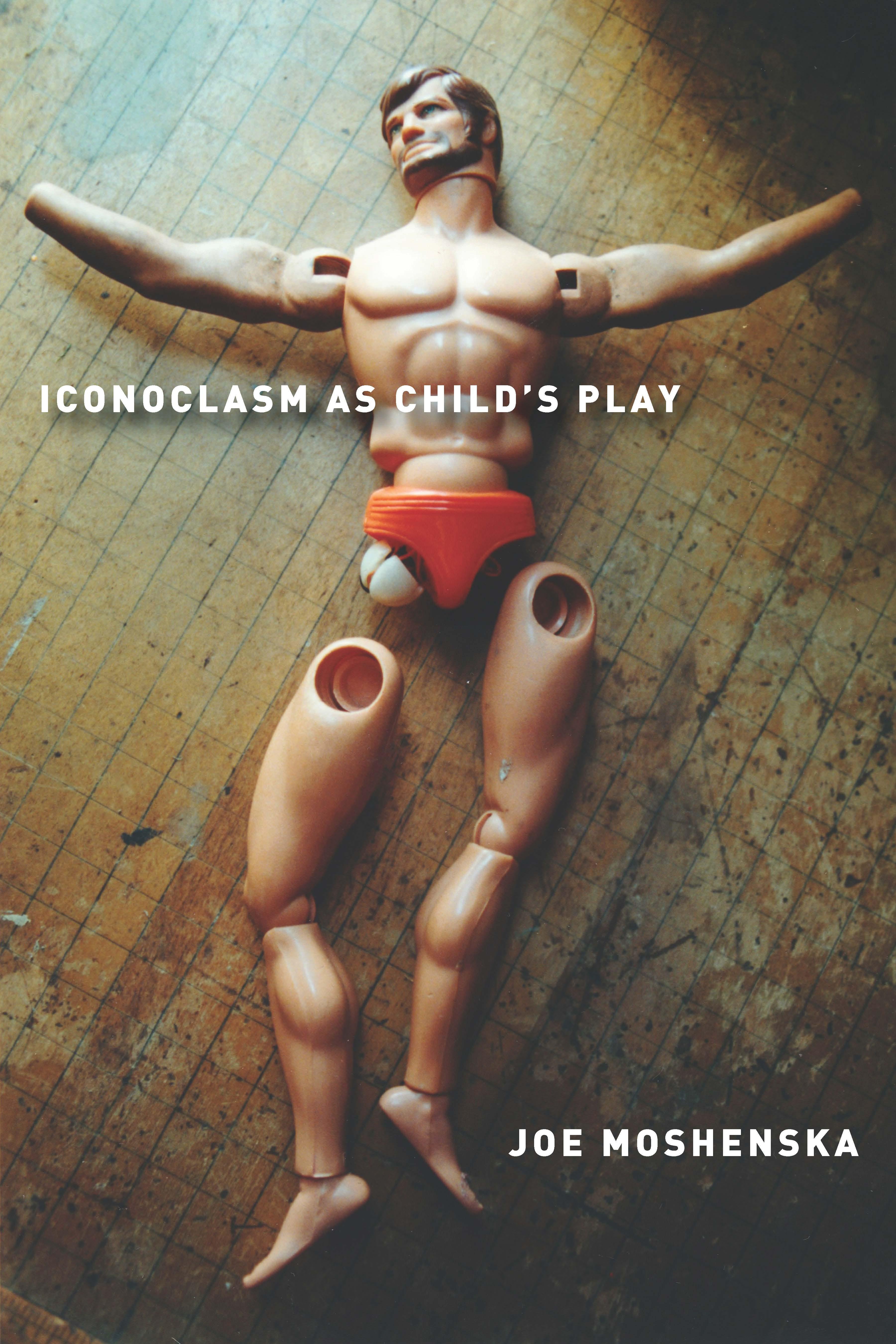
When sacred objects were rejected during the Reformation, they were not always burned and broken but were sometimes given to children as toys. Play is typically seen as free and open, while iconoclasm, even to those who deem it necessary, is violent and disenchanting. What does it say about wider attitudes toward religious violence and children at play that these two seemingly different activities were sometimes one and the same? Drawing on a range of sixteenth-century artifacts, artworks, and texts, as well as on ancient and modern theories of iconoclasm and of play, Iconoclasm As Child's Play argues that the desire to shape and interpret the playing of children is an important cultural force. Formerly holy objects may have been handed over with an intent to debase them, but play has a tendency to create new meanings and stories that take on a life of their own. Joe Moshenska shows that this form of iconoclasm is not only a fascinating phenomenon in its own right; it has the potential to alter our understandings of the threshold between the religious and the secular, the forms and functions of play, and the nature of historical transformation and continuity.
Betal nemt med kort, Klarna, Apple Pay eller Google Pay. Ikke tilfreds? Du har altid 14 dages fortrydelsesret. Læs mere i vores vilkår. Har du spørgsmål, så send os en mail på hello@memmo.org.
Memmo gør det nemmere at studere – uanset hvor du er i verden. Hos os samler du dine kursusbøger og smarte studieværktøjer ét sted: resuméer, quizzer, podcasts og flashcards. Og så er der Ted, din studieven, der svarer på alt, du undrer dig over. Over 50 000 studerende studerer allerede her – bygget til at hjælpe dig med at lære hurtigere og stresse mindre.