
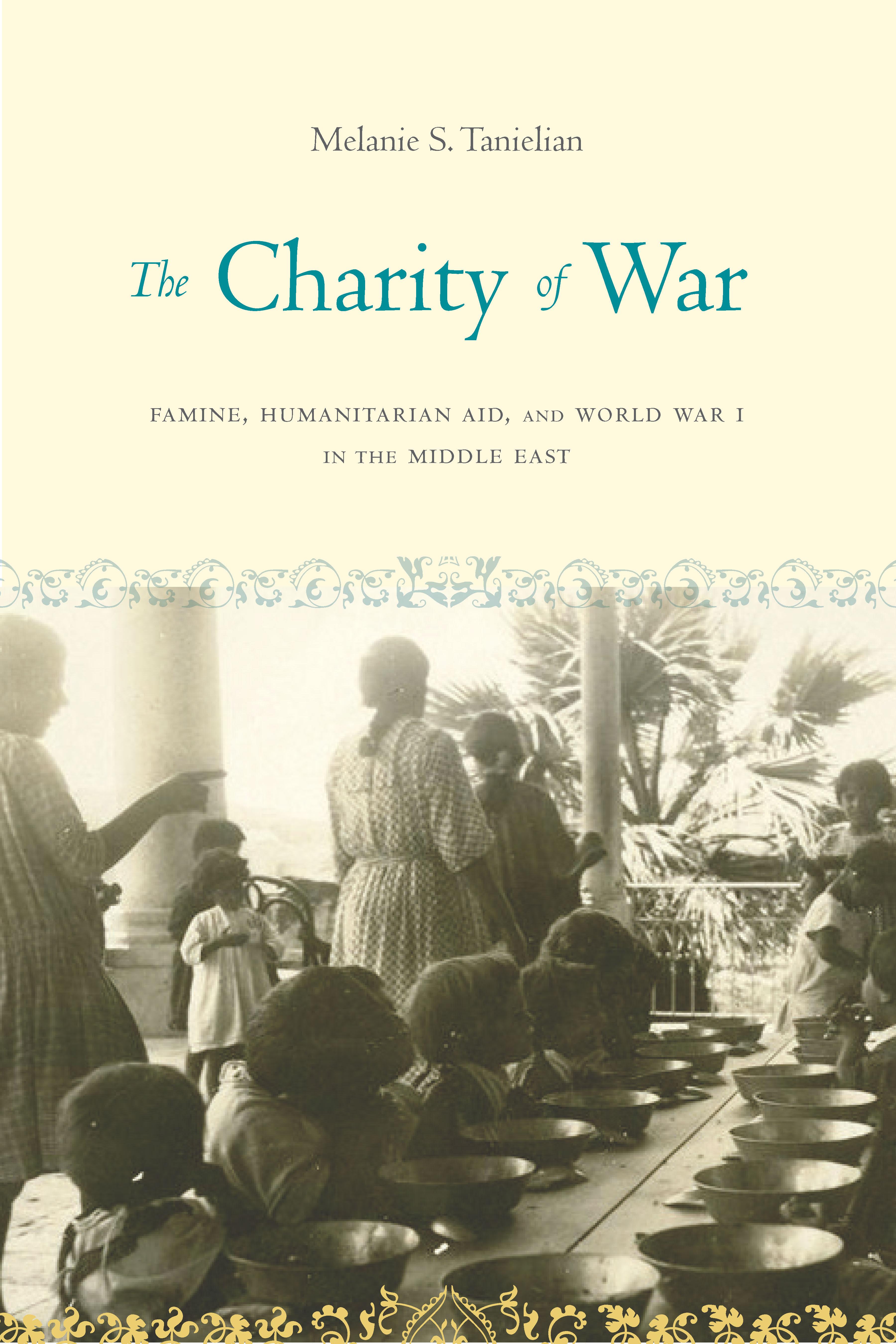
With the exception of a few targeted aerial bombardments of the city's port, Beirut and Mount Lebanon did not see direct combat in World War I. Yet civilian casualties in this part of the Ottoman Empire reached shocking heights, possibly numbering half a million people. No war, in its usual understanding, took place there, but Lebanon was incontestably war-stricken. As a food crisis escalated into famine, it was the bloodless incursion of starvation and the silent assault of fatal disease that defined everyday life.
The Charity of War tells how the Ottoman home front grappled with total war and how it sought to mitigate starvation and sickness through relief activities. Melanie S. Tanielian examines the wartime famine's reverberations throughout the community: in Beirut's municipal institutions, in its philanthropic and religious organizations, in international agencies, and in the homes of the city's residents. Her local history reveals a dynamic politics of provisioning that was central to civilian experiences in the war, as well as to the Middle Eastern political landscape that emerged post-war. By tracing these responses to the conflict, she demonstrates World War I's immediacy far from the European trenches, in a place where war was a socio-economic and political process rather than a military event.
Betal nemt med kort, Klarna, Apple Pay eller Google Pay. Ikke tilfreds? Du har altid 14 dages fortrydelsesret. Læs mere i vores vilkår. Har du spørgsmål, så send os en mail på hello@memmo.org.
Memmo gør det nemmere at studere – uanset hvor du er i verden. Hos os samler du dine kursusbøger og smarte studieværktøjer ét sted: resuméer, quizzer, podcasts og flashcards. Og så er der Ted, din studieven, der svarer på alt, du undrer dig over. Over 50 000 studerende studerer allerede her – bygget til at hjælpe dig med at lære hurtigere og stresse mindre.