
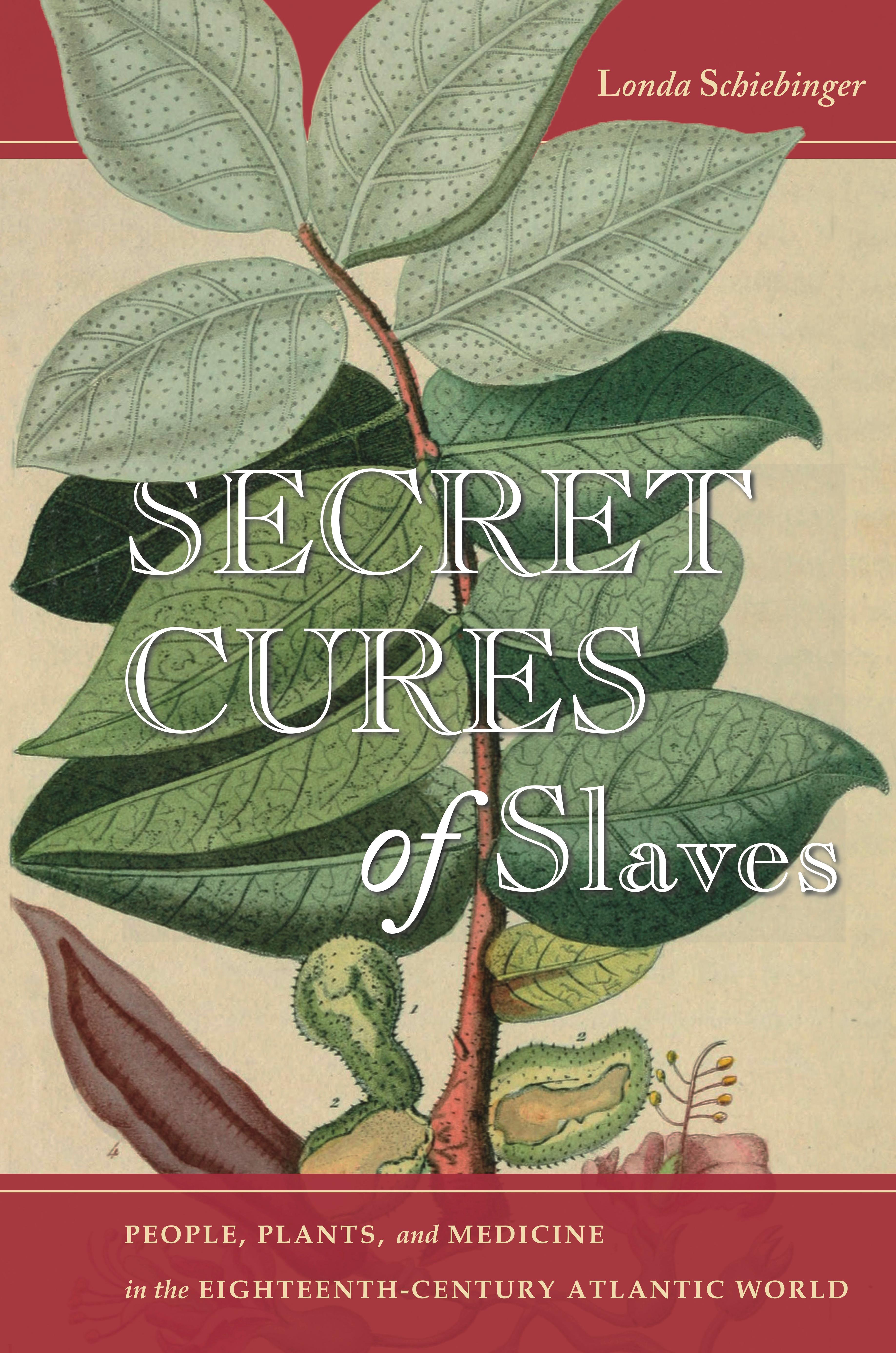
In the natural course of events, humans fall sick and die. The history of medicine bristles with attempts to find new and miraculous remedies, to work with and against nature to restore humans to health and well-being. In this book, Londa Schiebinger examines medicine and human experimentation in the Atlantic World, exploring the circulation of people, disease, plants, and knowledge between Europe, Africa, and the Americas. She traces the development of a colonial medical complex from the 1760s, when a robust experimental culture emerged in the British and French West Indies, to the early 1800s, when debates raged about banning the slave trade and, eventually, slavery itself.
Massive mortality among enslaved Africans and European planters, soldiers, and sailors fueled the search for new healing techniques. Amerindian, African, and European knowledges competed to cure diseases emerging from the collision of peoples on newly established, often poorly supplied, plantations. But not all knowledge was equal. Highlighting the violence and fear endemic to colonial struggles, Schiebinger explores aspects of African medicine that were not put to the test, such as Obeah and vodou. This book analyzes how and why specific knowledges were blocked, discredited, or held secret.
Betal nemt med kort, Klarna, Apple Pay eller Google Pay. Ikke tilfreds? Du har altid 14 dages fortrydelsesret. Læs mere i vores vilkår. Har du spørgsmål, så send os en mail på hello@memmo.org.
Memmo gør det nemmere at studere – uanset hvor du er i verden. Hos os samler du dine kursusbøger og smarte studieværktøjer ét sted: resuméer, quizzer, podcasts og flashcards. Og så er der Ted, din studieven, der svarer på alt, du undrer dig over. Over 50 000 studerende studerer allerede her – bygget til at hjælpe dig med at lære hurtigere og stresse mindre.