
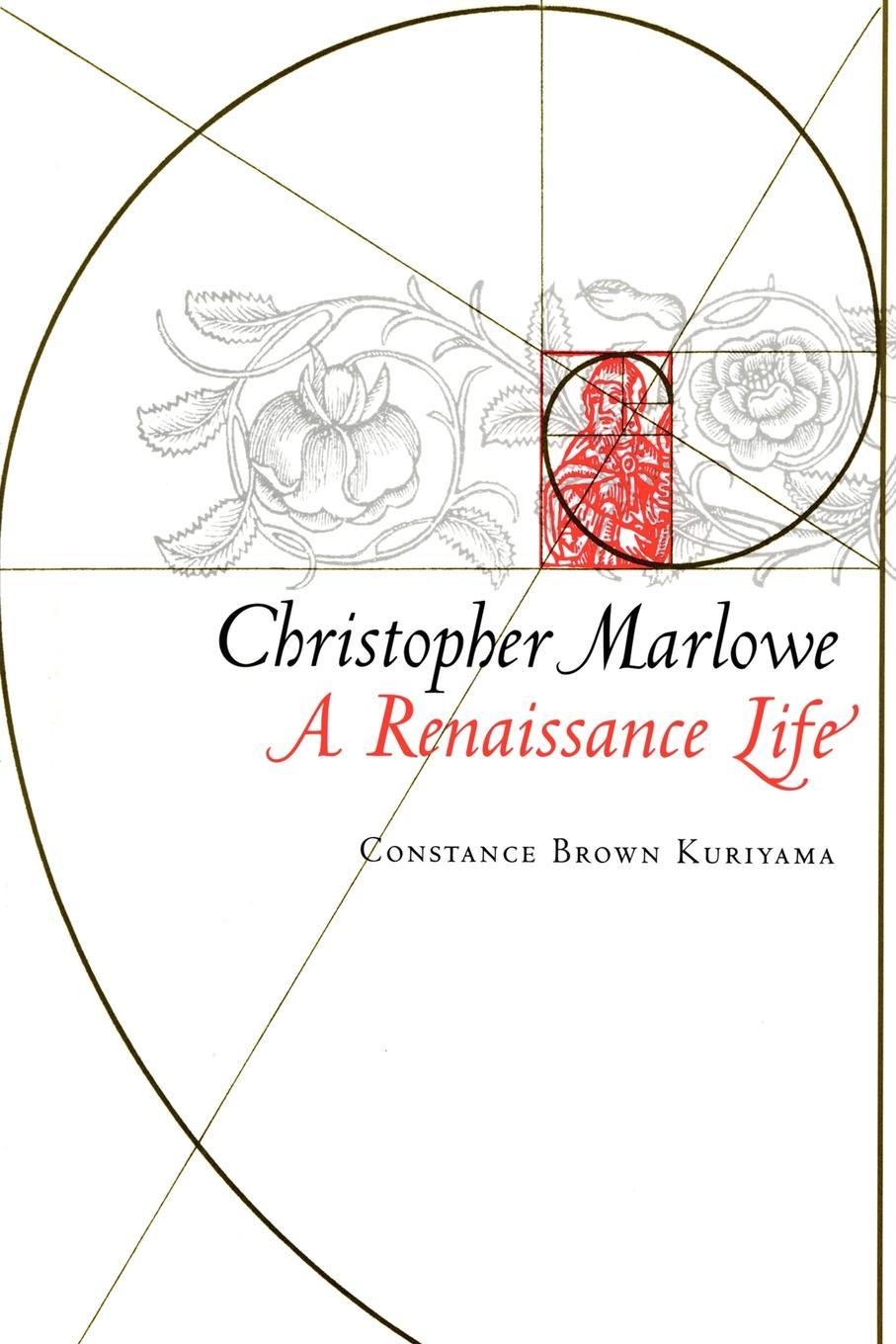
Christopher Marlowe (1564–1593) emerges in most accounts of his life by biographers and critics as a mysterious and sensational action figure, a hapless pawn of circumstance, or a pseudonymous cipher. Constance Brown Kuriyama's new biography reconstructs the eventful life of a radically innovative playwright who flourished briefly and died violently more than four hundred years ago, yet persists in the romantic imagination even today.
Many discoveries about Marlowe's life have emerged over the past hundred years. The author here supplements these findings with new material, placing the dramatist and poet more precisely in his historical milieu. Kuriyama interprets Marlowe's acts of violence—inexplicable though they may seem—as logical consequences of the circumstances he faced. Experience and temperament both accounted for the characteristically brash way he moved through the world.
The stringent constraints of Elizabethan society, which encouraged intense political and religious conflicts, had a great influence on Marlowe's thinking, while his ambitions were stirred by the period's unprecedented opportunities for talented individuals to rise in society. The documentary evidence assembled by Kuriyama—and made available to readers—allows her to show how Marlowe was able to take advantage of Elizabethan social mobility. In the context of Elizabethan education, society, and culture, Marlowe becomes a fully human, three-dimensional figure.
Betal nemt med kort, Klarna, Apple Pay eller Google Pay. Ikke tilfreds? Du har altid 14 dages fortrydelsesret. Læs mere i vores vilkår. Har du spørgsmål, så send os en mail på hello@memmo.org.
Memmo gør det nemmere at studere – uanset hvor du er i verden. Hos os samler du dine kursusbøger og smarte studieværktøjer ét sted: resuméer, quizzer, podcasts og flashcards. Og så er der Ted, din studieven, der svarer på alt, du undrer dig over. Over 50 000 studerende studerer allerede her – bygget til at hjælpe dig med at lære hurtigere og stresse mindre.