
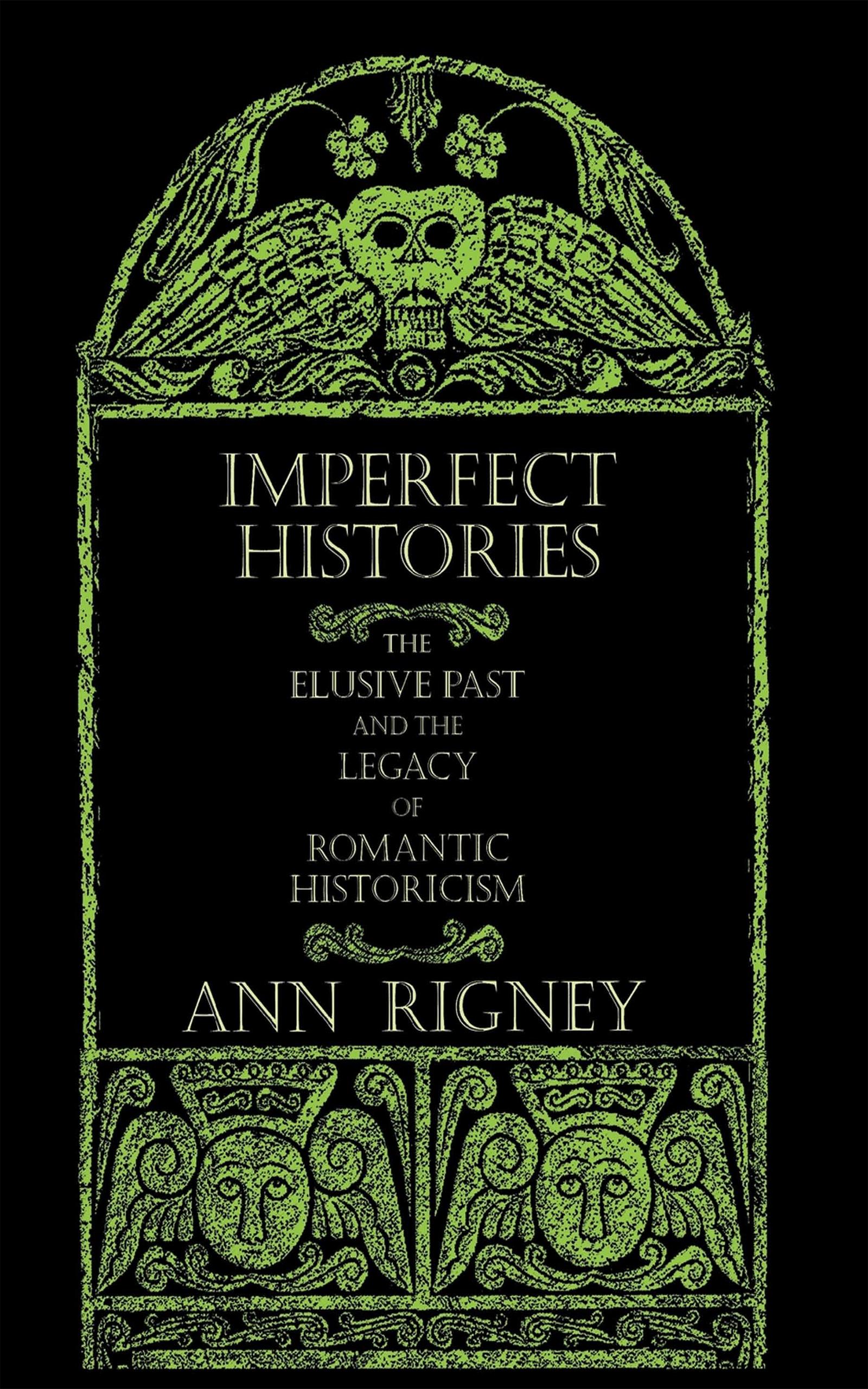
Imperfect Histories puts "imperfection" at the heart of a theory of historical representation. Ann Rigney shows how historical writing involves dealing with intractable subjects that resist our efforts to know and to shape them. Those who write history, she says, engage in an ongoing struggle to match up what they find relevant in the past with the information and interpretive models at their disposal. Chronic dissatisfaction is at the heart of historical practice. This is especially evident in the various attempts made over the last two centuries to write an "alternative" history of everyday experience.
Focusing on historical writing in the last decades of the eighteenth century and the first half of the nineteenth, Rigney analyzes a wide range of works by Walter Scott, Jules Michelet, Augustin Thierry, and Thomas Carlyle. She shows how the attempt to write an alternative history brought historical writing into a close yet fraught relationship with literature. The result is a new account of that relationship as it took shape in the romantic period and as it continues to influence contemporary practices.
Betal nemt med kort, Klarna, Apple Pay eller Google Pay. Ikke tilfreds? Du har altid 14 dages fortrydelsesret. Læs mere i vores vilkår. Har du spørgsmål, så send os en mail på hello@memmo.org.
Memmo gør det nemmere at studere – uanset hvor du er i verden. Hos os samler du dine kursusbøger og smarte studieværktøjer ét sted: resuméer, quizzer, podcasts og flashcards. Og så er der Ted, din studieven, der svarer på alt, du undrer dig over. Over 50 000 studerende studerer allerede her – bygget til at hjælpe dig med at lære hurtigere og stresse mindre.