
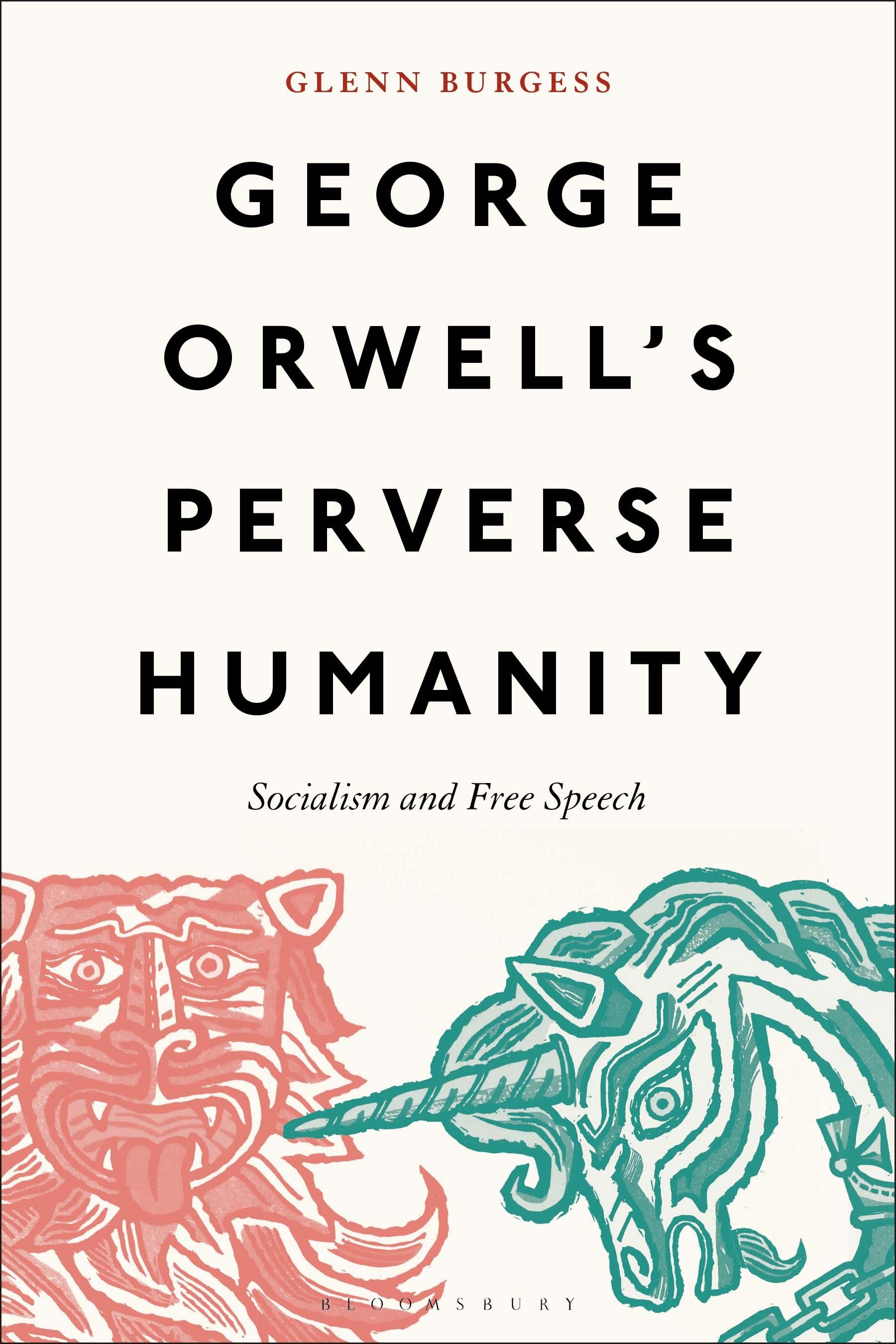
This is the first book to focus primarily on George Orwell's ideas about free speech and related matters – freedom of the press, the writer's freedom of expression, honesty and truthfulness – and, in particular, the ways in which they are linked to his political vision of socialism.
Orwell is today claimed by the Left and Right, by neo-conservatives and neo-socialists. How is that possible? Part of the answer, as Glenn Burgess reveals, is that Orwell was an odd sort of socialist. The development of Orwell's socialism was, from the start, conditioned by his individualist and liberal commitments. The hopes he attached to socialism were for a fairer, more equal world that would permit human freedom and individuality to flourish, completing, not destroying, the work of liberalism. Freedom of thought was a central part of this, and its defence and use were essential parts of the struggle to ensure that socialism developed in a liberal, humane form that did not follow the totalitarian path of Soviet communism.
Written in celebration of Orwell's dictum, 'We hold that the most perverse human being is more interesting than the most orthodox gramophone record,' George Orwell's Perverse Humanity is a portrait of Orwell that captures these themes and provides a new understanding of him as a political thinker and activist. Based on archival research and new materials that affirm his work as an activist for freedom, it also uncovers a socialist ideology that has been obscured in just the way that the author feared it would be – associated in many people's minds with totalitarian unfreedom.
Orwell is today claimed by the Left and Right, by neo-conservatives and neo-socialists. How is that possible? Part of the answer, as Glenn Burgess reveals, is that Orwell was an odd sort of socialist. The development of Orwell's socialism was, from the start, conditioned by his individualist and liberal commitments. The hopes he attached to socialism were for a fairer, more equal world that would permit human freedom and individuality to flourish, completing, not destroying, the work of liberalism. Freedom of thought was a central part of this, and its defence and use were essential parts of the struggle to ensure that socialism developed in a liberal, humane form that did not follow the totalitarian path of Soviet communism.
Written in celebration of Orwell's dictum, 'We hold that the most perverse human being is more interesting than the most orthodox gramophone record,' George Orwell's Perverse Humanity is a portrait of Orwell that captures these themes and provides a new understanding of him as a political thinker and activist. Based on archival research and new materials that affirm his work as an activist for freedom, it also uncovers a socialist ideology that has been obscured in just the way that the author feared it would be – associated in many people's minds with totalitarian unfreedom.
Sider: 280
Kategori: Litteraturvetenskap & Teori
e-ISBN: 9781501394676
Forsendelsesvægt: 1.2 kg
Sendes inden for: 1-2 dage
Betal nemt med kort, Klarna, Apple Pay eller Google Pay. Ikke tilfreds? Du har altid 14 dages fortrydelsesret. Læs mere i vores vilkår. Har du spørgsmål, så send os en mail på hello@memmo.org.
Memmo gør det nemmere at studere – uanset hvor du er i verden. Hos os samler du dine kursusbøger og smarte studieværktøjer ét sted: resuméer, quizzer, podcasts og flashcards. Og så er der Ted, din studieven, der svarer på alt, du undrer dig over. Over 50 000 studerende studerer allerede her – bygget til at hjælpe dig med at lære hurtigere og stresse mindre.