
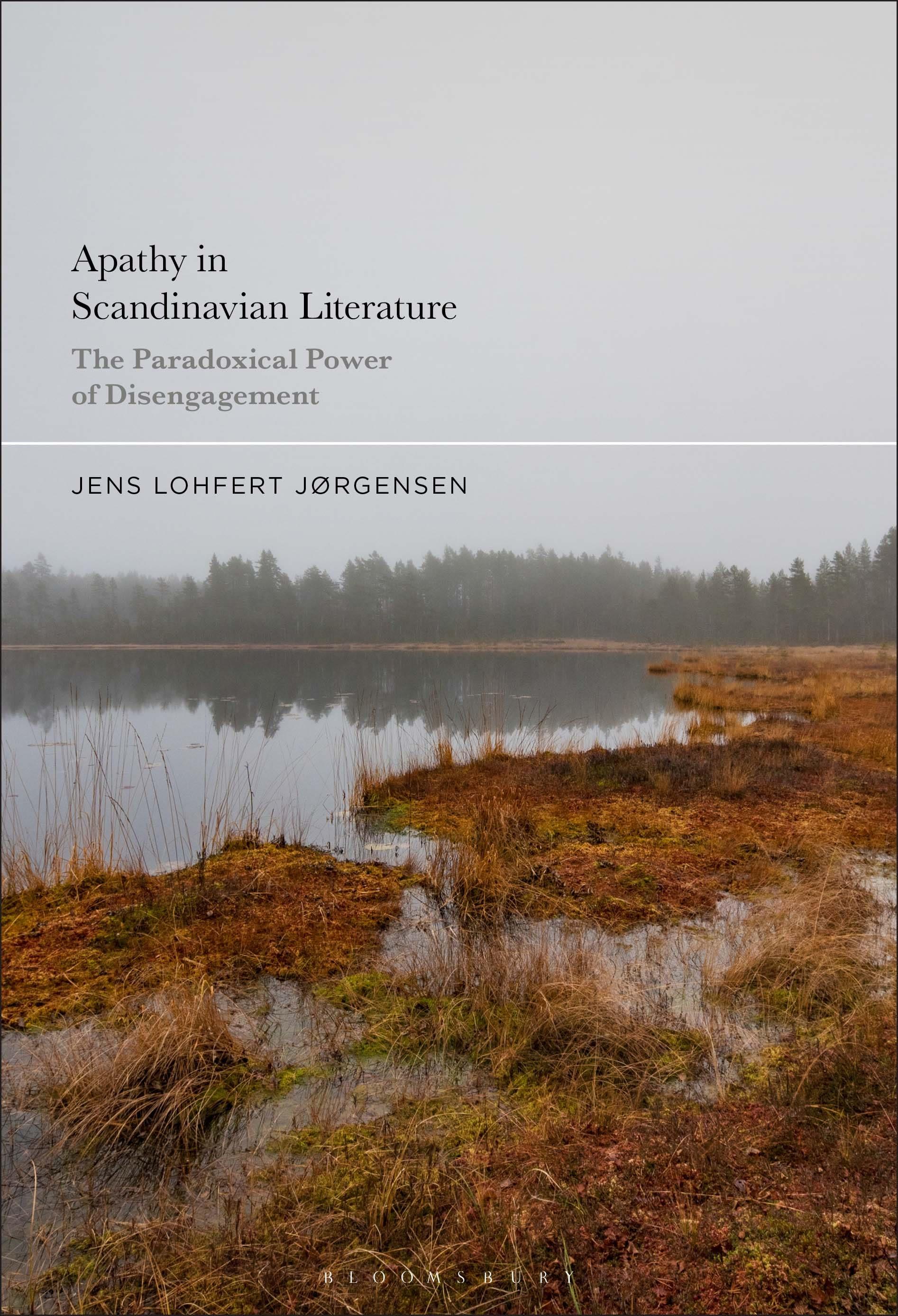
A thought-provoking and timely analysis of the historical and conceptual development of the notion of apathy in Scandinavian literature from the Renaissance to the present day.
Literature is an extensive archive of emotions, providing a privileged source for the study of them. Jens Lohfert Jørgensen uses this archive to analyze the development of apathy in Scandinavian literature, including in-depth discussion of the variety of forms it takes in contemporary texts, such as the paradoxical form of 'engaged disengagement'.
Although apathy is understood in unambiguously negative terms in the 21st century – as an absence of will power, emotion and engagement – ancient thinkers such as Epictetus and Seneca, advancing the Stoic theory of the passions, described apatheia as being actively and positively in command of one's emotions, in contrast to being manipulated by them. Situating analyses of apathy in the theoretical landscapes of affect studies and the history of emotions, Jørgensen reads apathy in relation to Scandinavian literary texts. This includes those concerned with passion, reason and decadence, as well as social concerns such as the welfare state and the very pressing issue of the climate crisis.
Apathy in Scandinavian Literature looks at three periods in particular – early modern, decadent and contemporary literature – to illuminate shifting contingencies in our understanding of apathy. By identifying five distinct forms of apathy, it nuances our understanding of an often-overlooked emotion that nevertheless has deep philosophical and psychological roots in Western culture.
Literature is an extensive archive of emotions, providing a privileged source for the study of them. Jens Lohfert Jørgensen uses this archive to analyze the development of apathy in Scandinavian literature, including in-depth discussion of the variety of forms it takes in contemporary texts, such as the paradoxical form of 'engaged disengagement'.
Although apathy is understood in unambiguously negative terms in the 21st century – as an absence of will power, emotion and engagement – ancient thinkers such as Epictetus and Seneca, advancing the Stoic theory of the passions, described apatheia as being actively and positively in command of one's emotions, in contrast to being manipulated by them. Situating analyses of apathy in the theoretical landscapes of affect studies and the history of emotions, Jørgensen reads apathy in relation to Scandinavian literary texts. This includes those concerned with passion, reason and decadence, as well as social concerns such as the welfare state and the very pressing issue of the climate crisis.
Apathy in Scandinavian Literature looks at three periods in particular – early modern, decadent and contemporary literature – to illuminate shifting contingencies in our understanding of apathy. By identifying five distinct forms of apathy, it nuances our understanding of an often-overlooked emotion that nevertheless has deep philosophical and psychological roots in Western culture.
Sider: 296
Kategori: Litteraturvetenskap & Teori
e-ISBN: 9781501392771
Forsendelsesvægt: 1.2 kg
Sendes inden for: 1-2 dage
Betal nemt med kort, Klarna, Apple Pay eller Google Pay. Ikke tilfreds? Du har altid 14 dages fortrydelsesret. Læs mere i vores vilkår. Har du spørgsmål, så send os en mail på hello@memmo.org.
Memmo gør det nemmere at studere – uanset hvor du er i verden. Hos os samler du dine kursusbøger og smarte studieværktøjer ét sted: resuméer, quizzer, podcasts og flashcards. Og så er der Ted, din studieven, der svarer på alt, du undrer dig over. Over 50 000 studerende studerer allerede her – bygget til at hjælpe dig med at lære hurtigere og stresse mindre.