
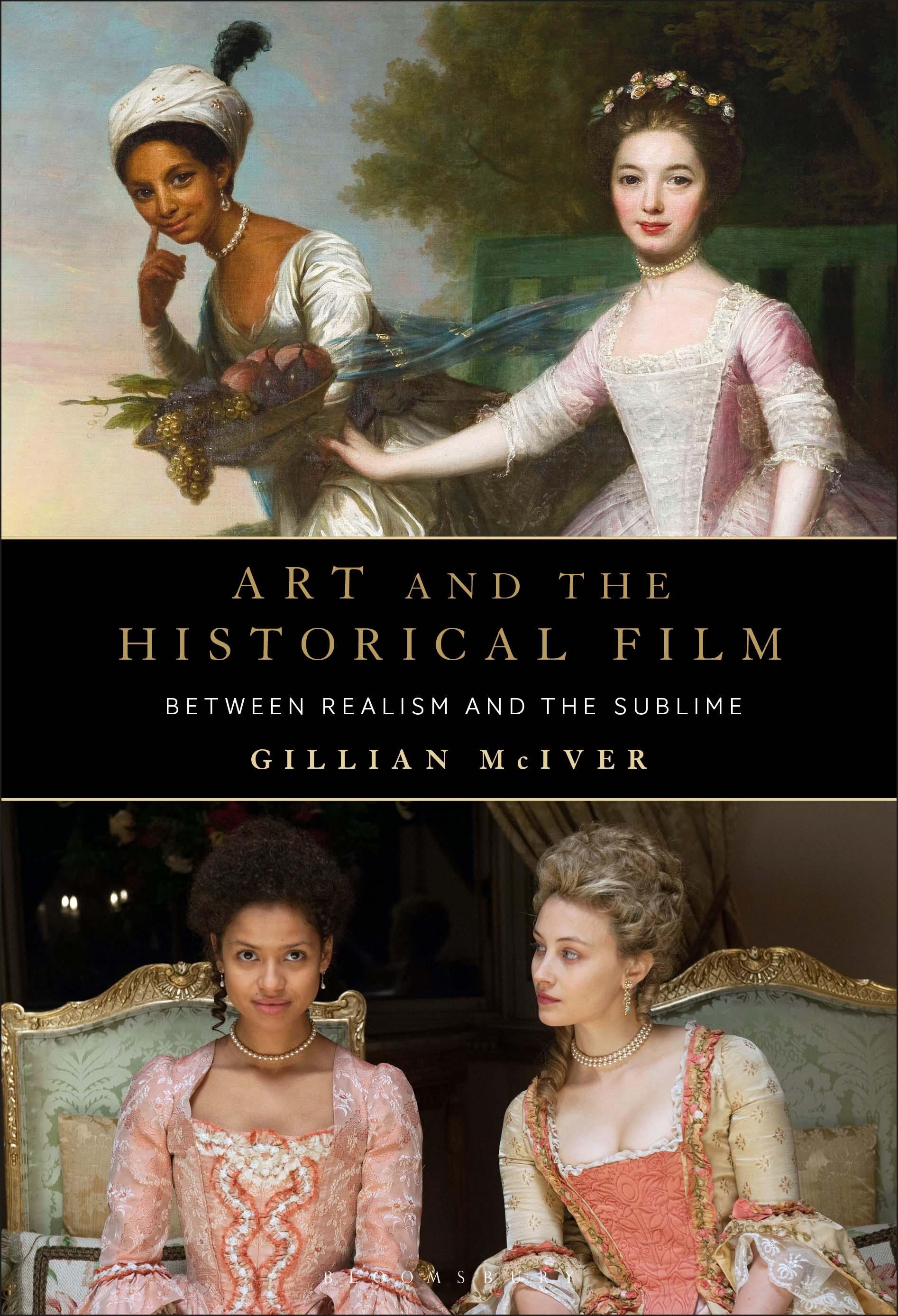
Art and the Historical Film provides an important examination of fine art's impact on filmmaking, grappling with the question of authenticity.
From Eugene Delacroix's interpretation of the 1830 French revolution to Uli Edel's version of the Baader-Meinhof Gang, artistic representations of historical subjects are appealing and pervasive. Movies often adapt imagery from art history, including paintings of historical events. Films and art shape the past for us and continue to affect our interpretation of history.
While historical films are often argued over for their adherence to "the facts," their real problem is realism: how can the past be convincingly depicted? Realism in the historical film genre is often nourished and given credibility by its use of painterly references. This book examines how art-historical images affect historical films by going beyond period detail and surface design to look at how profound ideas about history are communicated through pictures.
Art and the Historical Film: Between Realism and the Sublime is based on case studies that explore the links between art and cinema, including American independent Western Meek's Cutoff (Kelly Reichardt, 2010), British heritage film Belle (Amma Asante, 2013), and Dutch national epic Admiral (Roel Reiné, 2014). The chapters create immersive worlds that communicate distinct ideas about the past through cinematography, production design, and direction, as the films adapt, reference, and transpose paintings by artists such as Rubens, Albert Bierstadt, and Jacques-Louis David.
From Eugene Delacroix's interpretation of the 1830 French revolution to Uli Edel's version of the Baader-Meinhof Gang, artistic representations of historical subjects are appealing and pervasive. Movies often adapt imagery from art history, including paintings of historical events. Films and art shape the past for us and continue to affect our interpretation of history.
While historical films are often argued over for their adherence to "the facts," their real problem is realism: how can the past be convincingly depicted? Realism in the historical film genre is often nourished and given credibility by its use of painterly references. This book examines how art-historical images affect historical films by going beyond period detail and surface design to look at how profound ideas about history are communicated through pictures.
Art and the Historical Film: Between Realism and the Sublime is based on case studies that explore the links between art and cinema, including American independent Western Meek's Cutoff (Kelly Reichardt, 2010), British heritage film Belle (Amma Asante, 2013), and Dutch national epic Admiral (Roel Reiné, 2014). The chapters create immersive worlds that communicate distinct ideas about the past through cinematography, production design, and direction, as the films adapt, reference, and transpose paintings by artists such as Rubens, Albert Bierstadt, and Jacques-Louis David.
Betal nemt med kort, Klarna, Apple Pay eller Google Pay. Ikke tilfreds? Du har altid 14 dages fortrydelsesret. Læs mere i vores vilkår. Har du spørgsmål, så send os en mail på hello@memmo.org.
Memmo gør det nemmere at studere – uanset hvor du er i verden. Hos os samler du dine kursusbøger og smarte studieværktøjer ét sted: resuméer, quizzer, podcasts og flashcards. Og så er der Ted, din studieven, der svarer på alt, du undrer dig over. Over 50 000 studerende studerer allerede her – bygget til at hjælpe dig med at lære hurtigere og stresse mindre.