
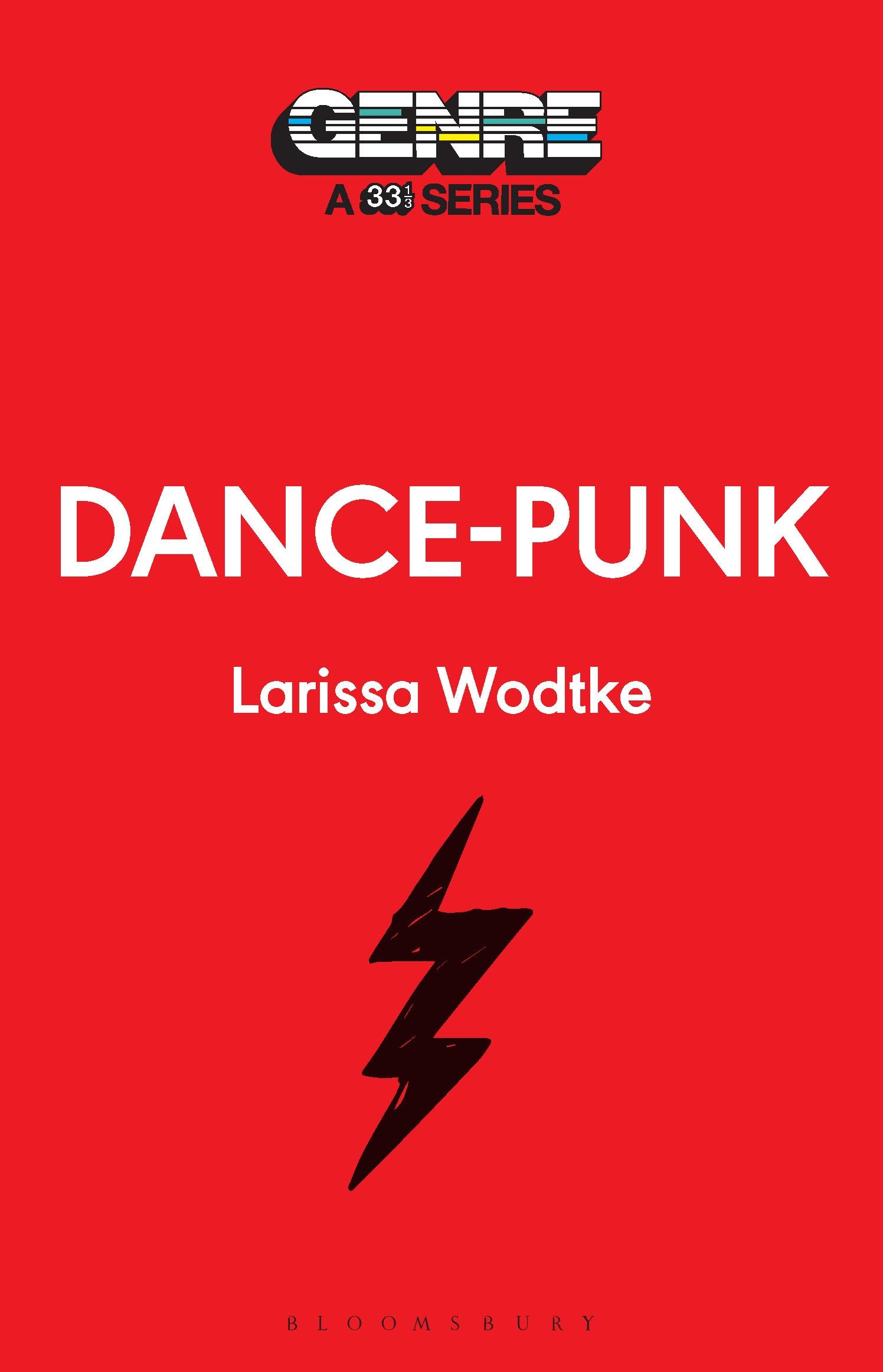
Beginning in the late 1970s as an offshoot of disco and punk, dance-punk is difficult to define. Also sometimes referred to as disco-punk and funk-punk, it skirts, overlaps, and blurs into other genres including post-punk, post-disco, new wave, mutant disco, and synthpop.
This book explores the historical and cultural conditions of the genre as it appeared in the late 1970s and early 1980s and then again in the early 2000s, and illuminates what is at stake in delineating dance-punk as a genre. Looking at bands such as Gang of Four, ESG, Public Image Ltd., LCD Soundsystem, The Rapture, and Le Tigre, this book examines the tensions between and blurring of the rhetoric and emotion in dance music and the cynical and ironic intellectualizing associated with post-punk.
This book explores the historical and cultural conditions of the genre as it appeared in the late 1970s and early 1980s and then again in the early 2000s, and illuminates what is at stake in delineating dance-punk as a genre. Looking at bands such as Gang of Four, ESG, Public Image Ltd., LCD Soundsystem, The Rapture, and Le Tigre, this book examines the tensions between and blurring of the rhetoric and emotion in dance music and the cynical and ironic intellectualizing associated with post-punk.
Betal nemt med kort, Klarna, Apple Pay eller Google Pay. Ikke tilfreds? Du har altid 14 dages fortrydelsesret. Læs mere i vores vilkår. Har du spørgsmål, så send os en mail på hello@memmo.org.
Memmo gør det nemmere at studere – uanset hvor du er i verden. Hos os samler du dine kursusbøger og smarte studieværktøjer ét sted: resuméer, quizzer, podcasts og flashcards. Og så er der Ted, din studieven, der svarer på alt, du undrer dig over. Over 50 000 studerende studerer allerede her – bygget til at hjælpe dig med at lære hurtigere og stresse mindre.