
Who are we and how do we define our inner selves?
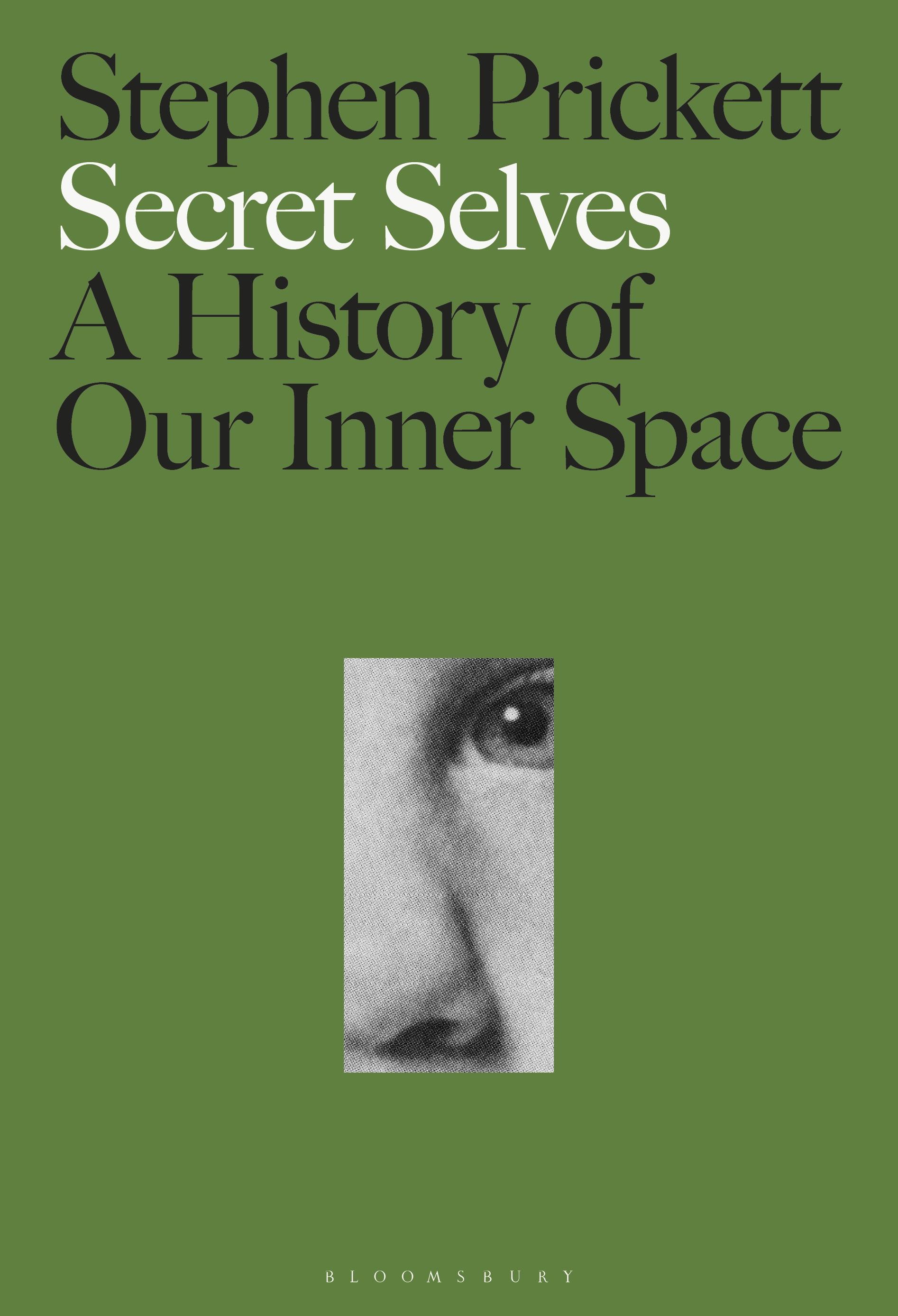
In his last work, Professor Stephen Prickett presents a literary and cultural exploration of our inner selves – and how we have created and written about them – from the Old Testament to social media.
What he finds is that although our secret, inner, sense of self – what we feel makes us distinctively 'us' – seems a natural and permanent part of being human, it is in fact surprisingly new. Whilst confessional religious writings, from Augustine to Jane Austen, or even diaries of 20th-century Holocaust victims, have explored inwards as part of a path to self-discovery, our inner space has expanded beyond any possible personal experience. This development has enhanced our capacity not merely to write about what we have never seen, but even to create fantasies and impossible fictions around them.
Yet our secret selves can also be a source of terror. The fringes of our inner worlds are often porous, ill-defined and susceptible to frightening forms of external control. Mystics and poets, from Dante to John Henry Newman or Gerard Manley Hopkins, sought God in their secret spaces not least because they feared the 'abyss beneath.'
From the origin of human consciousness through modern history and into the future, Secret Selves uses literature to consider the profound possibilities and ramifications of our evolving ideas of self.
In his last work, Professor Stephen Prickett presents a literary and cultural exploration of our inner selves – and how we have created and written about them – from the Old Testament to social media.
What he finds is that although our secret, inner, sense of self – what we feel makes us distinctively 'us' – seems a natural and permanent part of being human, it is in fact surprisingly new. Whilst confessional religious writings, from Augustine to Jane Austen, or even diaries of 20th-century Holocaust victims, have explored inwards as part of a path to self-discovery, our inner space has expanded beyond any possible personal experience. This development has enhanced our capacity not merely to write about what we have never seen, but even to create fantasies and impossible fictions around them.
Yet our secret selves can also be a source of terror. The fringes of our inner worlds are often porous, ill-defined and susceptible to frightening forms of external control. Mystics and poets, from Dante to John Henry Newman or Gerard Manley Hopkins, sought God in their secret spaces not least because they feared the 'abyss beneath.'
From the origin of human consciousness through modern history and into the future, Secret Selves uses literature to consider the profound possibilities and ramifications of our evolving ideas of self.
Sider: 272
Kategori: Litteraturvetenskap & Teori
e-ISBN: 9781501372476
Forsendelsesvægt: 1.2 kg
Sendes inden for: 1-2 dage
Betal nemt med kort, Klarna, Apple Pay eller Google Pay. Ikke tilfreds? Du har altid 14 dages fortrydelsesret. Læs mere i vores vilkår. Har du spørgsmål, så send os en mail på hello@memmo.org.
Memmo gør det nemmere at studere – uanset hvor du er i verden. Hos os samler du dine kursusbøger og smarte studieværktøjer ét sted: resuméer, quizzer, podcasts og flashcards. Og så er der Ted, din studieven, der svarer på alt, du undrer dig over. Over 50 000 studerende studerer allerede her – bygget til at hjælpe dig med at lære hurtigere og stresse mindre.