
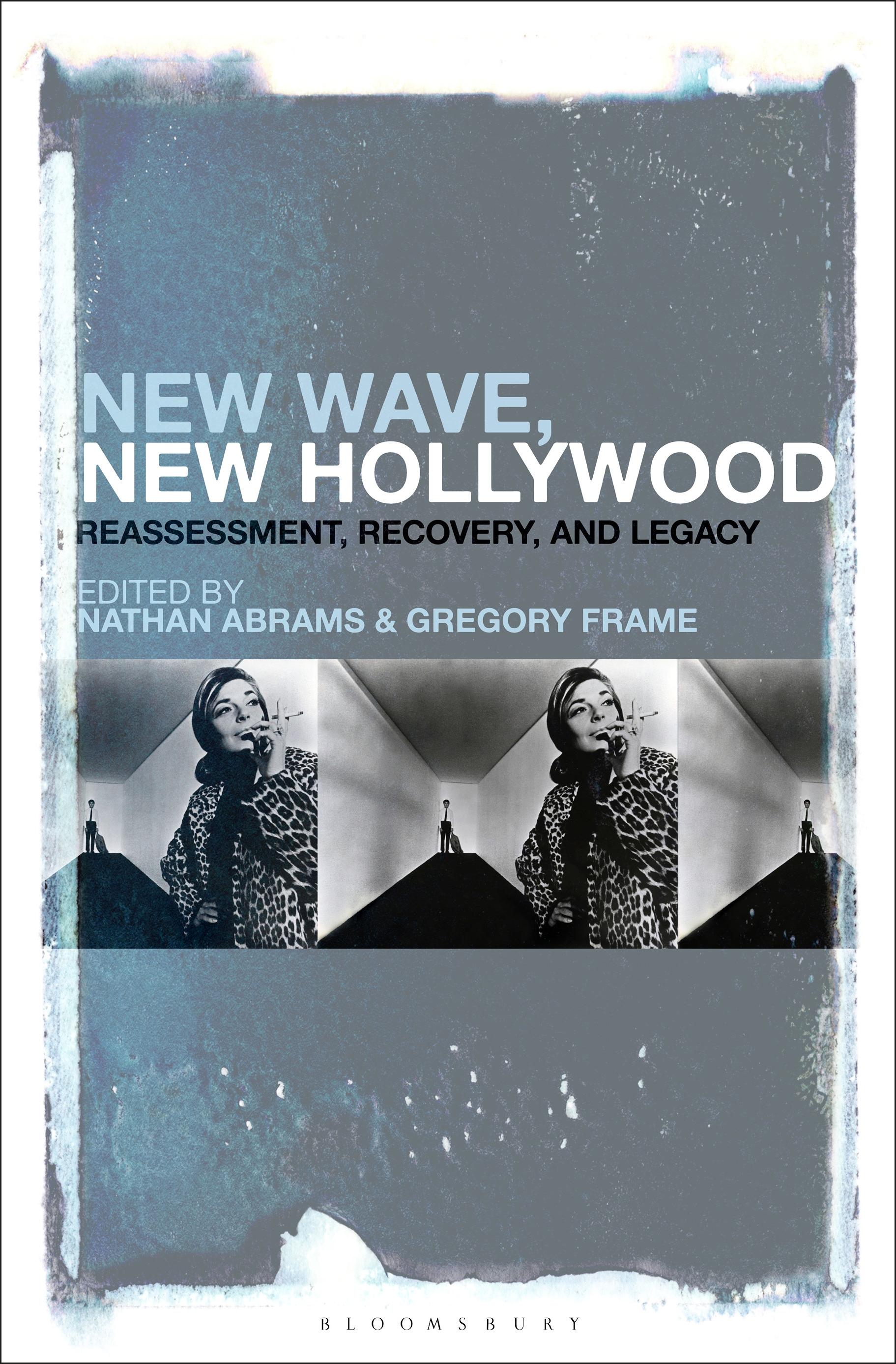
As a period of film history, The American New Wave (ordinarily understood as beginning in 1967 and ending in 1980) remains a preoccupation for scholars and audiences alike. In traditional accounts, it is considered to be bookended by two periods of conservatism, and viewed as a (brief) period of explosive creativity within the Hollywood system. From Bonnie and Clyde to Heaven's Gate, it produced films that continue to be watched, discussed, analysed and poured over.
It has, however, also become rigidly defined as a cinema of director-auteurs who made a number of aesthetically and politically significant films. This has led to marginalization and exclusion of many important artists and filmmakers, as well as a temporal rigidity about what and who is considered part of the 'New Wave proper'. This collection seeks to reinvigorate debate around this area of film history. It also looks in part to demonstrate the legacy of aesthetic experimentation and political radicalism after 1980 as part of the 'legacy' of the New Wave. Thanks to important new work that questions received scholarly wisdom, reveals previously marginalised filmmakers (and the films they made), considers new genres, personnel, and films under the banner of 'New Wave, New Hollywood', and reevaluates the traditional approaches and perspectives on the films that have enjoyed most critical attention, New Wave, New Hollywood: Reassessment, Recovery, Legacy looks to begin a new discussion about Hollywood cinema after 1967.
It has, however, also become rigidly defined as a cinema of director-auteurs who made a number of aesthetically and politically significant films. This has led to marginalization and exclusion of many important artists and filmmakers, as well as a temporal rigidity about what and who is considered part of the 'New Wave proper'. This collection seeks to reinvigorate debate around this area of film history. It also looks in part to demonstrate the legacy of aesthetic experimentation and political radicalism after 1980 as part of the 'legacy' of the New Wave. Thanks to important new work that questions received scholarly wisdom, reveals previously marginalised filmmakers (and the films they made), considers new genres, personnel, and films under the banner of 'New Wave, New Hollywood', and reevaluates the traditional approaches and perspectives on the films that have enjoyed most critical attention, New Wave, New Hollywood: Reassessment, Recovery, Legacy looks to begin a new discussion about Hollywood cinema after 1967.
Sider: 272
Kategori: Film- & Medievetenskap
e-ISBN: 9781501360398
Forsendelsesvægt: 1.2 kg
Sendes inden for: 1-2 dage
Betal nemt med kort, Klarna, Apple Pay eller Google Pay. Ikke tilfreds? Du har altid 14 dages fortrydelsesret. Læs mere i vores vilkår. Har du spørgsmål, så send os en mail på hello@memmo.org.
Memmo gør det nemmere at studere – uanset hvor du er i verden. Hos os samler du dine kursusbøger og smarte studieværktøjer ét sted: resuméer, quizzer, podcasts og flashcards. Og så er der Ted, din studieven, der svarer på alt, du undrer dig over. Over 50 000 studerende studerer allerede her – bygget til at hjælpe dig med at lære hurtigere og stresse mindre.