
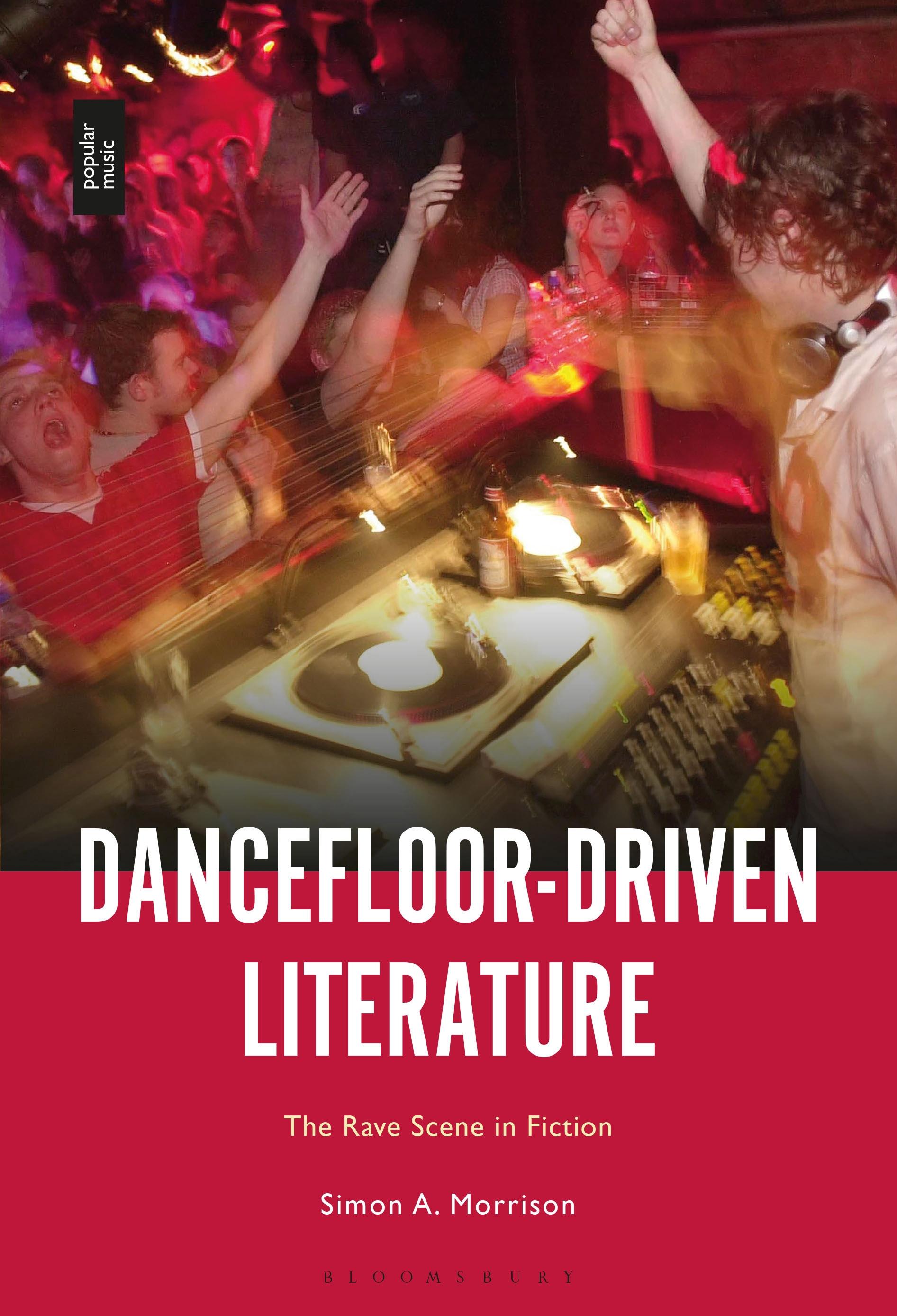
Almost as soon as 'club culture' took hold - during the UK's Second Summer of Love in 1988 - its sociopolitical impact became clear, with journalists, filmmakers and authors all keen to use this cultural context as source material for their texts. This book uses that electronic music subculture as a route into an analysis of these principally literary representations of a music culture: why such secondary artefacts appear and what function they serve.
The book conceives of a new literary genre to accommodate these stories born of the dancefloor - 'dancefloor-driven literature'. Using interviews with Irvine Welsh, author of Trainspotting (1994), alongside other dancefloor-driven authors Nicholas Blincoe and Jeff Noon as case studies, the book analyzes three separate ways writers draw on electronic dance music in their fictions, interrogating that very particular intermedial intersection between the sonic and the linguistic. It explores how such authors write about something so subterranean as the nightclub scene, and analyses what specific literary techniques they deploy to write lucidly and fluidly about the metronomic beat of electronic music and the chemical accelerant that further alters that relationship.
The book conceives of a new literary genre to accommodate these stories born of the dancefloor - 'dancefloor-driven literature'. Using interviews with Irvine Welsh, author of Trainspotting (1994), alongside other dancefloor-driven authors Nicholas Blincoe and Jeff Noon as case studies, the book analyzes three separate ways writers draw on electronic dance music in their fictions, interrogating that very particular intermedial intersection between the sonic and the linguistic. It explores how such authors write about something so subterranean as the nightclub scene, and analyses what specific literary techniques they deploy to write lucidly and fluidly about the metronomic beat of electronic music and the chemical accelerant that further alters that relationship.
Betal nemt med kort, Klarna, Apple Pay eller Google Pay. Ikke tilfreds? Du har altid 14 dages fortrydelsesret. Læs mere i vores vilkår. Har du spørgsmål, så send os en mail på hello@memmo.org.
Memmo gør det nemmere at studere – uanset hvor du er i verden. Hos os samler du dine kursusbøger og smarte studieværktøjer ét sted: resuméer, quizzer, podcasts og flashcards. Og så er der Ted, din studieven, der svarer på alt, du undrer dig over. Over 50 000 studerende studerer allerede her – bygget til at hjælpe dig med at lære hurtigere og stresse mindre.