
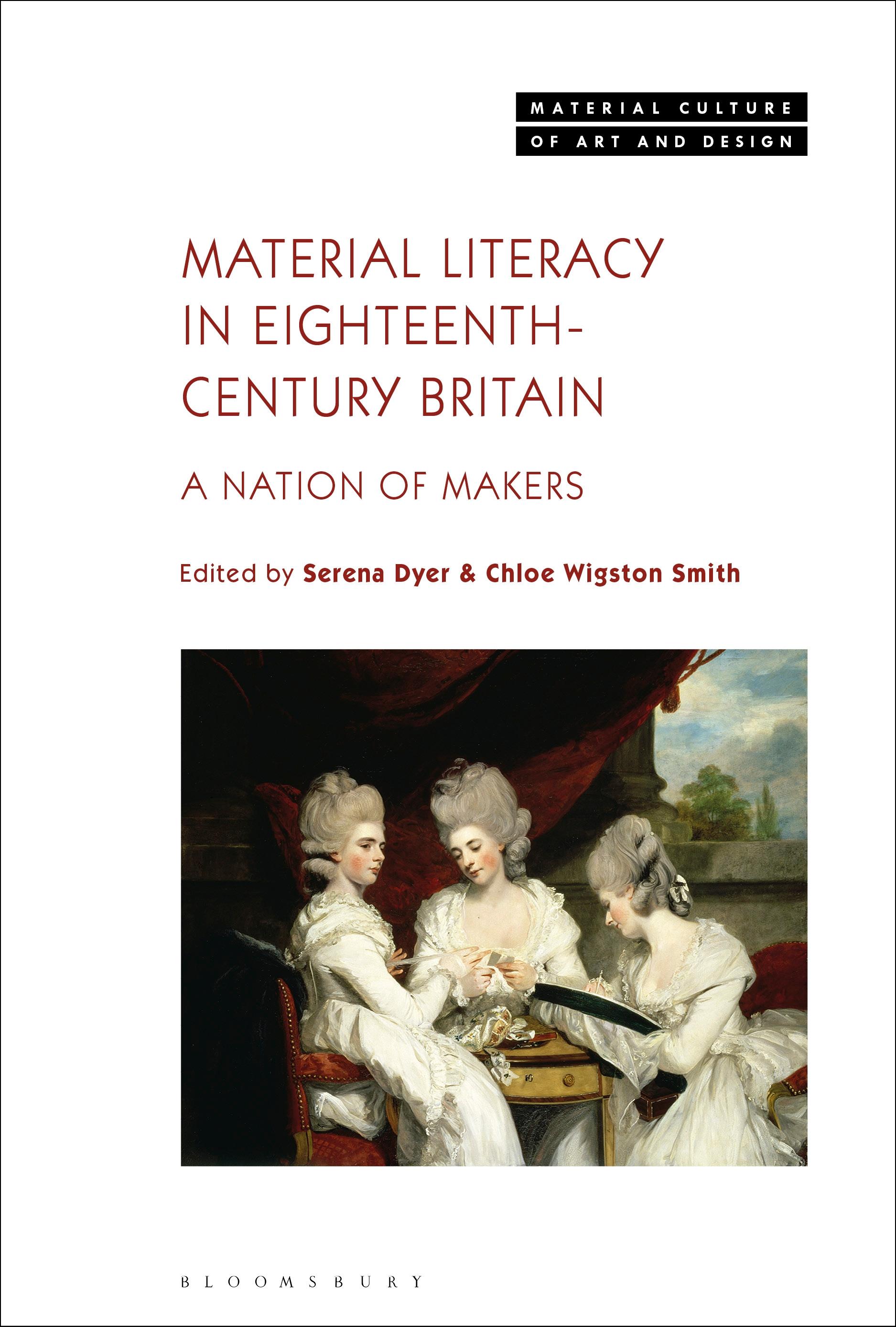
The eighteenth century has been hailed for its revolution in consumer culture, but Material Literacy in Eighteenth-Century Britain repositions Britain as a nation of makers. It brings new attention to eighteenth-century craftswomen and men with its focus on the material knowledge possessed not only by professional artisans and amateur makers, but also by skilled consumers. This edited collection gathers together a group of interdisciplinary scholars working in the fields of art history, history, literature, and museum studies to unearth the tactile and tacit knowledge that underpinned fashion, tailoring, and textile production. It invites us into the workshops, drawing rooms, and backrooms of a broad range of creators, and uncovers how production and tacit knowledge extended beyond the factories and machines which dominate industrial histories.
This book illuminates, for the first time, the material literacies learnt, enacted, and understood by British producers and consumers. The skills required for sewing, embroidering, and the textile arts were possessed by a large proportion of the British population: men, women and children, professional and amateur alike. Building on previous studies of shoppers and consumption in the period, as well as narratives of manufacture, these essays document the multiplicity of small producers behind Britain's consumer revolution, reshaping our understanding of the dynamics between making and objects, consumption and production. It demonstrates how material knowledge formed an essential part of daily life for eighteenth-century Britons. Craft technique, practice, and production, the contributors show, constituted forms of tactile languages that joined makers together, whether they produced objects for profit or pleasure.
This book illuminates, for the first time, the material literacies learnt, enacted, and understood by British producers and consumers. The skills required for sewing, embroidering, and the textile arts were possessed by a large proportion of the British population: men, women and children, professional and amateur alike. Building on previous studies of shoppers and consumption in the period, as well as narratives of manufacture, these essays document the multiplicity of small producers behind Britain's consumer revolution, reshaping our understanding of the dynamics between making and objects, consumption and production. It demonstrates how material knowledge formed an essential part of daily life for eighteenth-century Britons. Craft technique, practice, and production, the contributors show, constituted forms of tactile languages that joined makers together, whether they produced objects for profit or pleasure.
Betal nemt med kort, Klarna, Apple Pay eller Google Pay. Ikke tilfreds? Du har altid 14 dages fortrydelsesret. Læs mere i vores vilkår. Har du spørgsmål, så send os en mail på hello@memmo.org.
Memmo gør det nemmere at studere – uanset hvor du er i verden. Hos os samler du dine kursusbøger og smarte studieværktøjer ét sted: resuméer, quizzer, podcasts og flashcards. Og så er der Ted, din studieven, der svarer på alt, du undrer dig over. Over 50 000 studerende studerer allerede her – bygget til at hjælpe dig med at lære hurtigere og stresse mindre.