
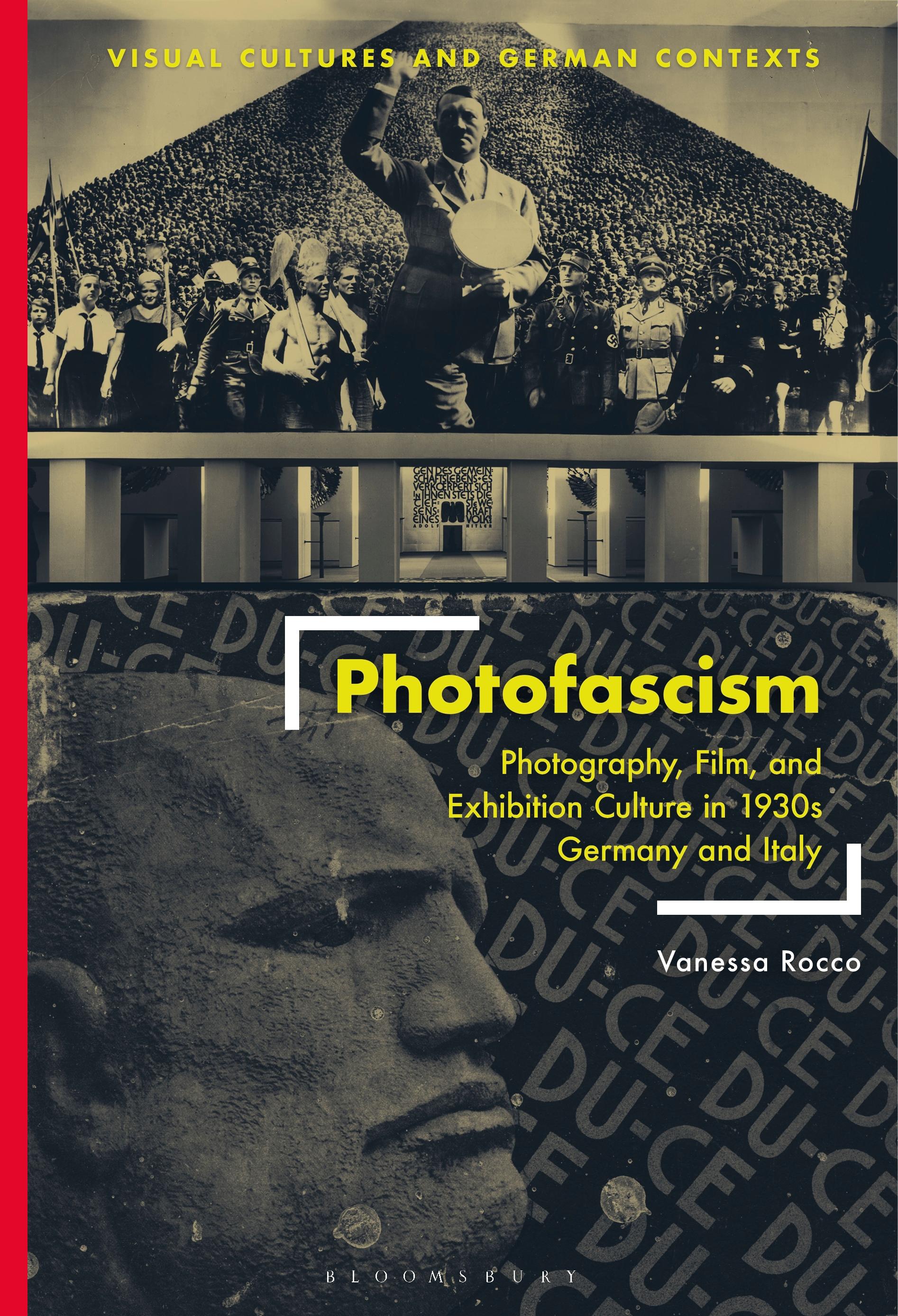
Photography and fascism in interwar Europe developed into a highly toxic and combustible formula. Particularly in concert with aggressive display techniques, the European fascists were utterly convinced of their ability to use the medium of photography to manufacture consent among their publics. Unfortunately, as we know in hindsight, they succeeded. Other dictatorial regimes in the 1930s harnessed this powerful combination of photography and exhibitions for their own odious purposes. But this book, for the first time, focuses on the particularly consequential dialectic between Germany and Italy in the early-to-mid 1930s, and within each of those countries vis-à-vis display culture.
The 1930s provides a potent case study for every generation, and it is as urgent as ever in our global political environment to deeply understand the central role of visual imagery in what transpired. Photofascism demonstrates precisely how dictatorial regimes use photographic mass media, methodically and in combination with display, to persuade the public with often times highly destructive-even catastrophic-results.
The 1930s provides a potent case study for every generation, and it is as urgent as ever in our global political environment to deeply understand the central role of visual imagery in what transpired. Photofascism demonstrates precisely how dictatorial regimes use photographic mass media, methodically and in combination with display, to persuade the public with often times highly destructive-even catastrophic-results.
Betal nemt med kort, Klarna, Apple Pay eller Google Pay. Ikke tilfreds? Du har altid 14 dages fortrydelsesret. Læs mere i vores vilkår. Har du spørgsmål, så send os en mail på hello@memmo.org.
Memmo gør det nemmere at studere – uanset hvor du er i verden. Hos os samler du dine kursusbøger og smarte studieværktøjer ét sted: resuméer, quizzer, podcasts og flashcards. Og så er der Ted, din studieven, der svarer på alt, du undrer dig over. Over 50 000 studerende studerer allerede her – bygget til at hjælpe dig med at lære hurtigere og stresse mindre.