
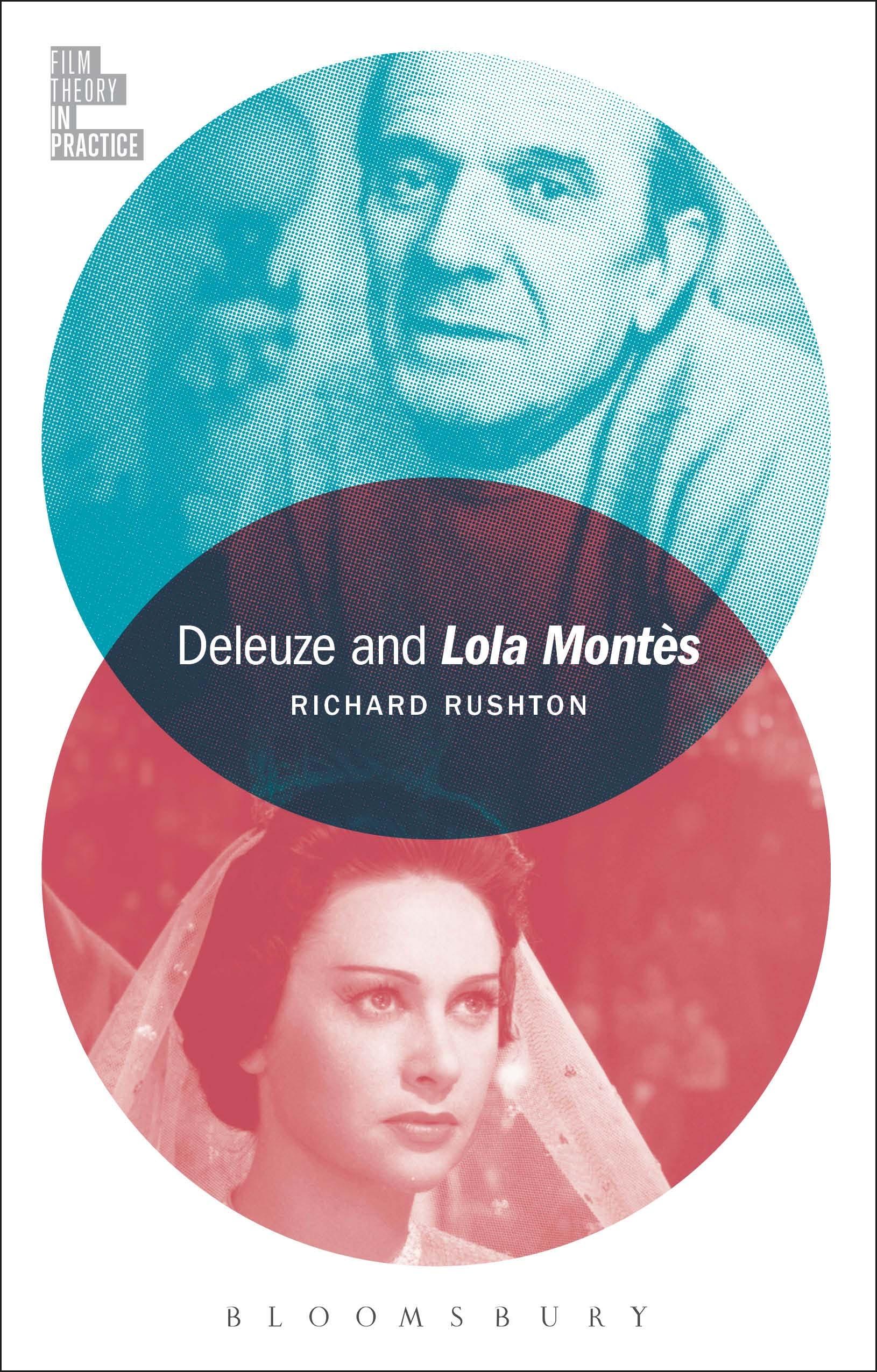
Gilles Deleuze represents the most widely referenced theorist of cinema today. And yet, even the most rudimentary pillars of his thought remain mysterious to most students (and even many scholars) of film studies.
From one of the foremost theorists following Deleuze in the world today, Deleuze and Lola Montès offers a detailed explication of Gilles Deleuze's writings on film – from his books Cinema 1: The Movement-Image (1983) and Cinema 2: The Time-Image (1985). Building on this foundation, Rushton provides an interpretation of Max Ophuls's classic film Lola Montès as an example of how Deleuzian film theory can function in the practice of film interpretation.
From one of the foremost theorists following Deleuze in the world today, Deleuze and Lola Montès offers a detailed explication of Gilles Deleuze's writings on film – from his books Cinema 1: The Movement-Image (1983) and Cinema 2: The Time-Image (1985). Building on this foundation, Rushton provides an interpretation of Max Ophuls's classic film Lola Montès as an example of how Deleuzian film theory can function in the practice of film interpretation.
Betal nemt med kort, Klarna, Apple Pay eller Google Pay. Ikke tilfreds? Du har altid 14 dages fortrydelsesret. Læs mere i vores vilkår. Har du spørgsmål, så send os en mail på hello@memmo.org.
Memmo gør det nemmere at studere – uanset hvor du er i verden. Hos os samler du dine kursusbøger og smarte studieværktøjer ét sted: resuméer, quizzer, podcasts og flashcards. Og så er der Ted, din studieven, der svarer på alt, du undrer dig over. Over 50 000 studerende studerer allerede her – bygget til at hjælpe dig med at lære hurtigere og stresse mindre.