
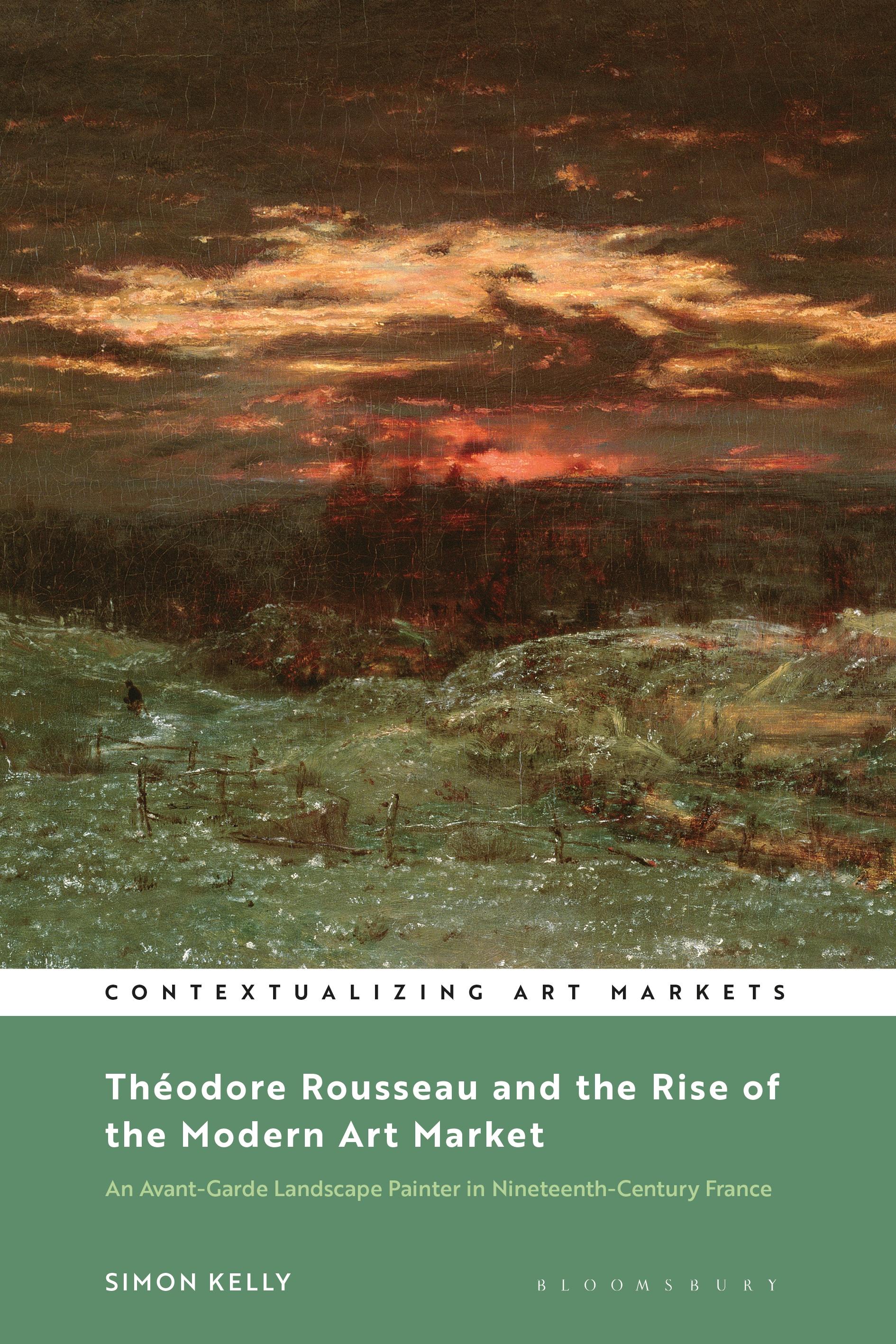
The 19th century in France witnessed the emergence of the structures of the modern art market that remain until this day. This book examines the relationship between the avant-garde Barbizon landscape painter, Théodore Rousseau (1812-1867), and this market, exploring the constellation of patrons, art dealers and critics who surrounded the artist. It argues for the pioneering role of Rousseau, his patrons and his public in the origins of the modern art market, and, in so doing, shifts attention away from the more traditional focus on the novel careers of the Impressionists and their supporters. Drawing on extensive archival research, the book provides new insight into the role of the modern artist as professional. It provides a new understanding of the complex iconographical and formal choices within Rousseau's work, rediscovering the original radical charge that once surrounded the artist's work and led to extensive and peculiarly modern tensions with the market place.
Betal nemt med kort, Klarna, Apple Pay eller Google Pay. Ikke tilfreds? Du har altid 14 dages fortrydelsesret. Læs mere i vores vilkår. Har du spørgsmål, så send os en mail på hello@memmo.org.
Memmo gør det nemmere at studere – uanset hvor du er i verden. Hos os samler du dine kursusbøger og smarte studieværktøjer ét sted: resuméer, quizzer, podcasts og flashcards. Og så er der Ted, din studieven, der svarer på alt, du undrer dig over. Over 50 000 studerende studerer allerede her – bygget til at hjælpe dig med at lære hurtigere og stresse mindre.