
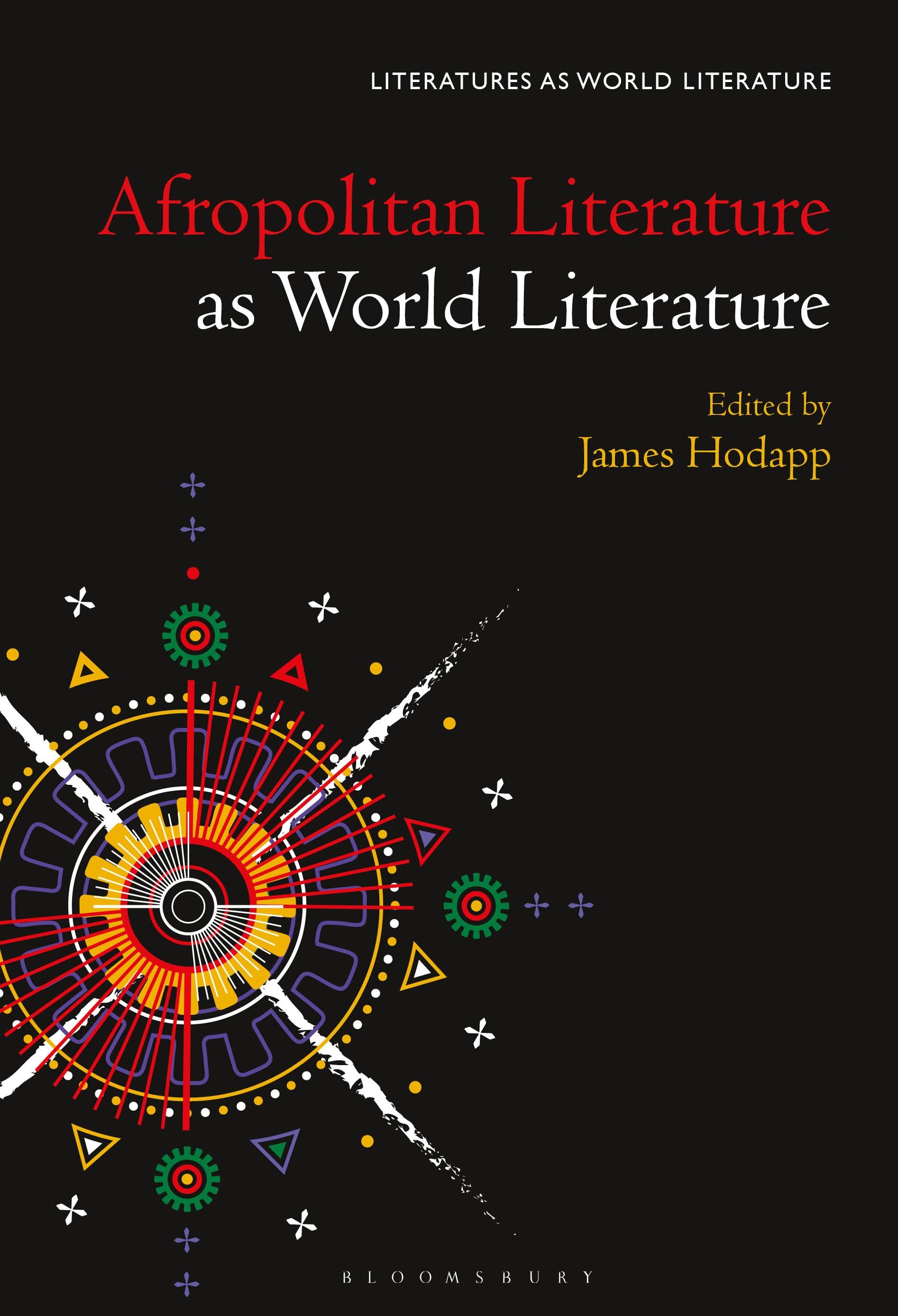
African literature has never been more visible than it is today. Whereas Chinua Achebe, Wole Soyinka, and Ngugi wa Thiong'o defined a golden generation of African writers in the 20th century, a new generation of “Afropolitan” writers including Chimamanda Adichie, Teju Cole, Taiye Selasi, and NoViolet Bulawayo have taken the world by storm by snatching up prestigious awards and selling millions of copies of their works.
But what is the new, increasingly fashionable and marketable, Afropolitan vision of Africa's place in the world that they offer? How does it differ from that of previous generations? Why do some dissent? Afropolitanism refuses to reinforce images of Africa in world media as merely poor, war-torn, diseased, and constantly falling into chaos. By complicating the image of Africa as a hapless victim, Afropolitanism focuses on the wide-ranging influence Africa has on the world. However, some have characterized this kind of writing as light, populist fare that panders to Western audiences.
Afropolitan Literature as World Literature examines the controversy surrounding Afropolitan literature in light of the unprecedented circulation of culture made possible by globalization, and ultimately argues for expanding its geographic and temporal boundaries.
But what is the new, increasingly fashionable and marketable, Afropolitan vision of Africa's place in the world that they offer? How does it differ from that of previous generations? Why do some dissent? Afropolitanism refuses to reinforce images of Africa in world media as merely poor, war-torn, diseased, and constantly falling into chaos. By complicating the image of Africa as a hapless victim, Afropolitanism focuses on the wide-ranging influence Africa has on the world. However, some have characterized this kind of writing as light, populist fare that panders to Western audiences.
Afropolitan Literature as World Literature examines the controversy surrounding Afropolitan literature in light of the unprecedented circulation of culture made possible by globalization, and ultimately argues for expanding its geographic and temporal boundaries.
Sider: 248
Kategori: Kultur-, Genus- & Postkoloniala studier
e-ISBN: 9781501342592
Forsendelsesvægt: 1.2 kg
Sendes inden for: 1-2 dage
Betal nemt med kort, Klarna, Apple Pay eller Google Pay. Ikke tilfreds? Du har altid 14 dages fortrydelsesret. Læs mere i vores vilkår. Har du spørgsmål, så send os en mail på hello@memmo.org.
Memmo gør det nemmere at studere – uanset hvor du er i verden. Hos os samler du dine kursusbøger og smarte studieværktøjer ét sted: resuméer, quizzer, podcasts og flashcards. Og så er der Ted, din studieven, der svarer på alt, du undrer dig over. Over 50 000 studerende studerer allerede her – bygget til at hjælpe dig med at lære hurtigere og stresse mindre.