
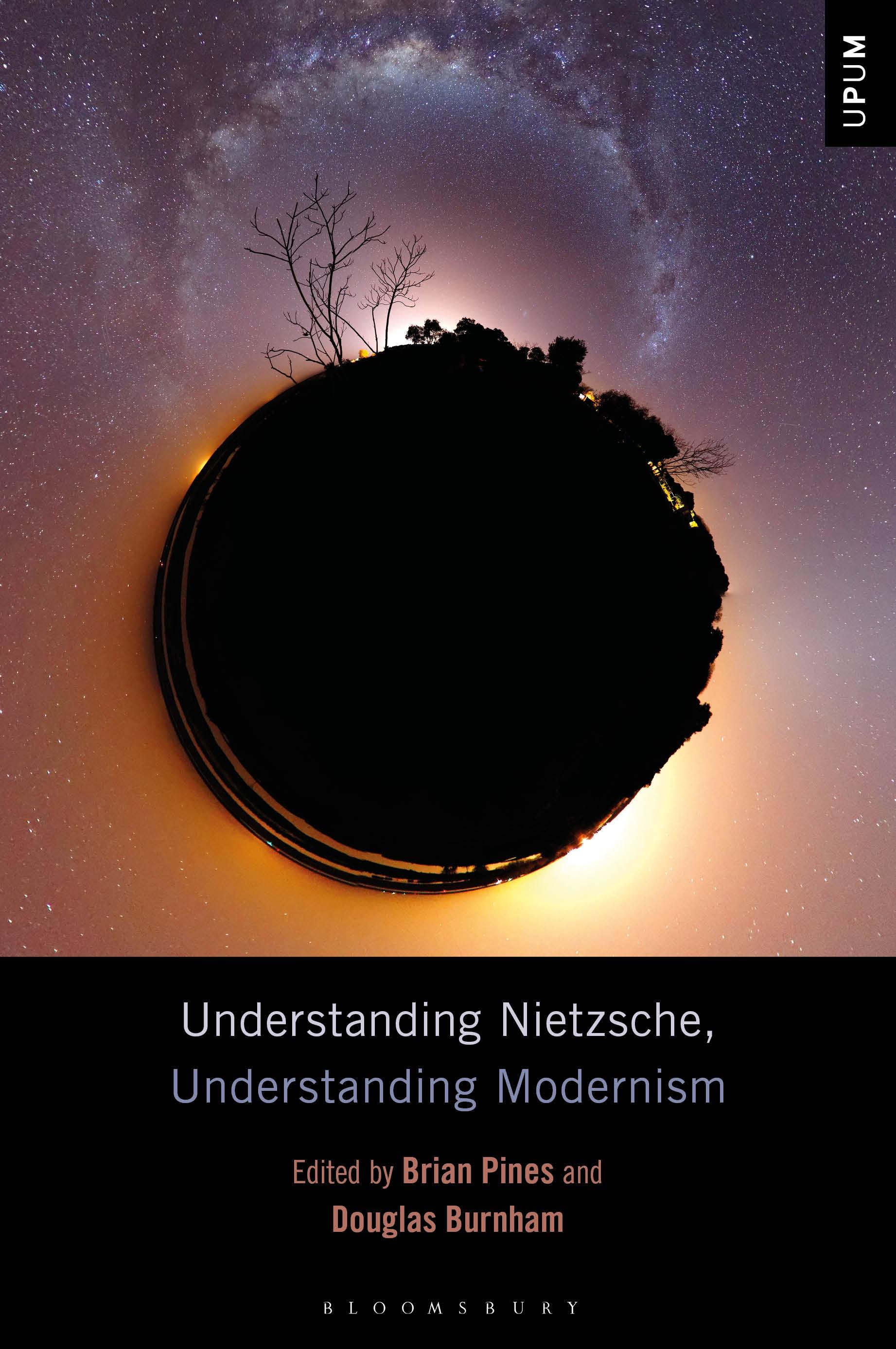
Friedrich Nietzsche believed his own work represented the dawning of a new historical era, and, despite the fact that he lived most of his sane life suffering in obscurity, it is not an exaggeration to say that his vision helped lay the foundations for modernism in style, substance and attitude. Nietzsche was himself devoted to the modern, for he reinterpreted every philosophy, every historical figure and event, every movement that came before him. This reconceptualization of the past through new, modern eyes opened up Nietzsche's thinking to exploring daring possibilities for the future. This prophetic boldness, which is so unique to his style, seduced the modernist generation across the spectrum. He was read by early Zionists as well as by Nazi racial theorists; by Thomas Mann and as well as by Salvador Dali. His influence stretched from psychoanalysis to anarchist politics.
Understanding Nietzsche, Understanding Modernism traces the effect of Nietzsche's thinking upon a diverse set of problems: from ontology, to politics, to musical and literary aesthetics. The first section of the volume is a series of essays, each exploring a major work of Nietzsche's, explaining its significance while contributing new interpretations of the text. The middle portion connects Nietzsche's thought to the various strands of modernism in which it reveals itself. The final section is a glossary of key terms that Nietzsche uses throughout his works. An excellent resource for any scholar attempting to conceptualize the foundations of modernism or the historical importance of Nietzsche, this volume seeks to outline the philosopher's works and their reception amongst the generations that immediately followed his passing.
Understanding Nietzsche, Understanding Modernism traces the effect of Nietzsche's thinking upon a diverse set of problems: from ontology, to politics, to musical and literary aesthetics. The first section of the volume is a series of essays, each exploring a major work of Nietzsche's, explaining its significance while contributing new interpretations of the text. The middle portion connects Nietzsche's thought to the various strands of modernism in which it reveals itself. The final section is a glossary of key terms that Nietzsche uses throughout his works. An excellent resource for any scholar attempting to conceptualize the foundations of modernism or the historical importance of Nietzsche, this volume seeks to outline the philosopher's works and their reception amongst the generations that immediately followed his passing.
Betal nemt med kort, Klarna, Apple Pay eller Google Pay. Ikke tilfreds? Du har altid 14 dages fortrydelsesret. Læs mere i vores vilkår. Har du spørgsmål, så send os en mail på hello@memmo.org.
Memmo gør det nemmere at studere – uanset hvor du er i verden. Hos os samler du dine kursusbøger og smarte studieværktøjer ét sted: resuméer, quizzer, podcasts og flashcards. Og så er der Ted, din studieven, der svarer på alt, du undrer dig over. Over 50 000 studerende studerer allerede her – bygget til at hjælpe dig med at lære hurtigere og stresse mindre.