
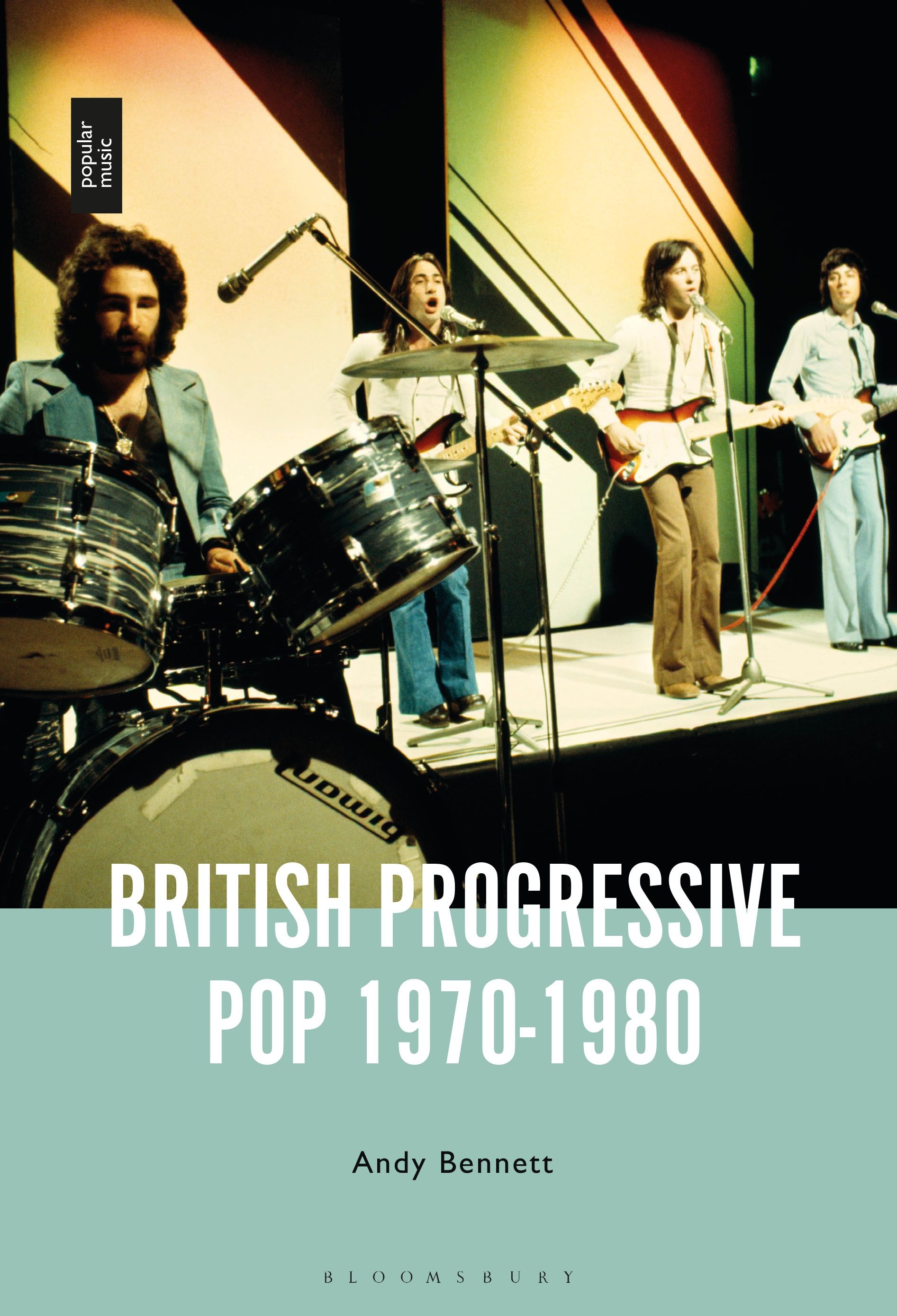
Positioned between the psychedelic and counter-cultural music of the late 1960s and the punk and new wave styles of the late 1970s, early 1970s British popular music is often overlooked in pop music studies of the late 20th century, but it was, in fact, highly diverse with many artists displaying an eclecticism and flair for musical experimentation. 'Progressive pop' artists such as Roxy Music, David Bowie, the early Queen, the Electric Light Orchestra, 10cc and Steve Harley & Cockney Rebel successfully straddled the album and singles markets, producing music that often drew on a variety of different musical styles and traditions. Similarly, such artists often set new benchmarks for songwriting and production, utilizing the full potential of the rapidly expanding studio technology of the era to produce albums of highly diverse material featuring, in some cases, special studio-crafted effects and soundscapes that remain unique to this day.
This book considers the significance of British progressive pop in the early 1970s as a period during which the boundaries between pop and rock were periodically relaxed, providing a platform for musical creativity less confined by genre and branding.
This book considers the significance of British progressive pop in the early 1970s as a period during which the boundaries between pop and rock were periodically relaxed, providing a platform for musical creativity less confined by genre and branding.
Betal nemt med kort, Klarna, Apple Pay eller Google Pay. Ikke tilfreds? Du har altid 14 dages fortrydelsesret. Læs mere i vores vilkår. Har du spørgsmål, så send os en mail på hello@memmo.org.
Memmo gør det nemmere at studere – uanset hvor du er i verden. Hos os samler du dine kursusbøger og smarte studieværktøjer ét sted: resuméer, quizzer, podcasts og flashcards. Og så er der Ted, din studieven, der svarer på alt, du undrer dig over. Over 50 000 studerende studerer allerede her – bygget til at hjælpe dig med at lære hurtigere og stresse mindre.